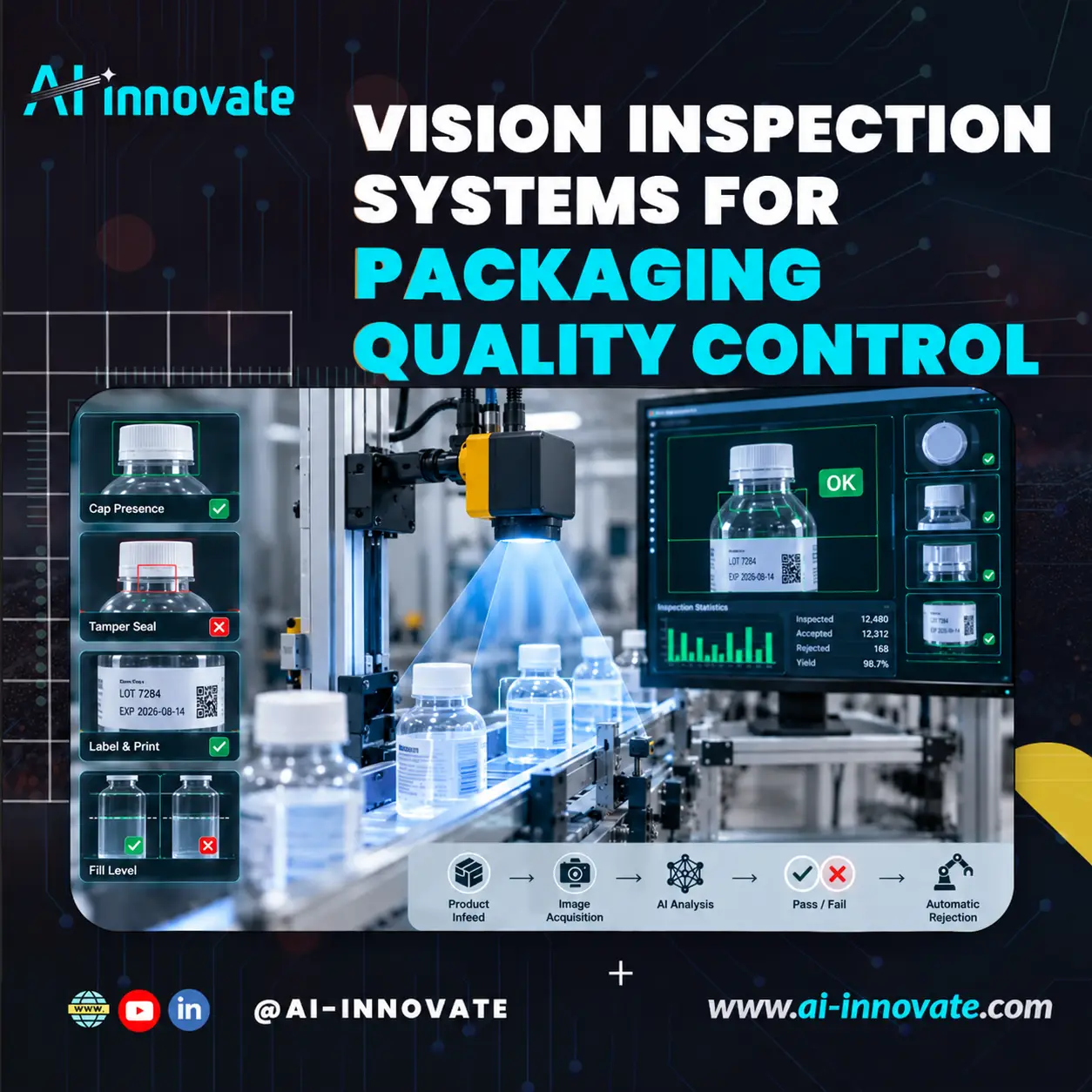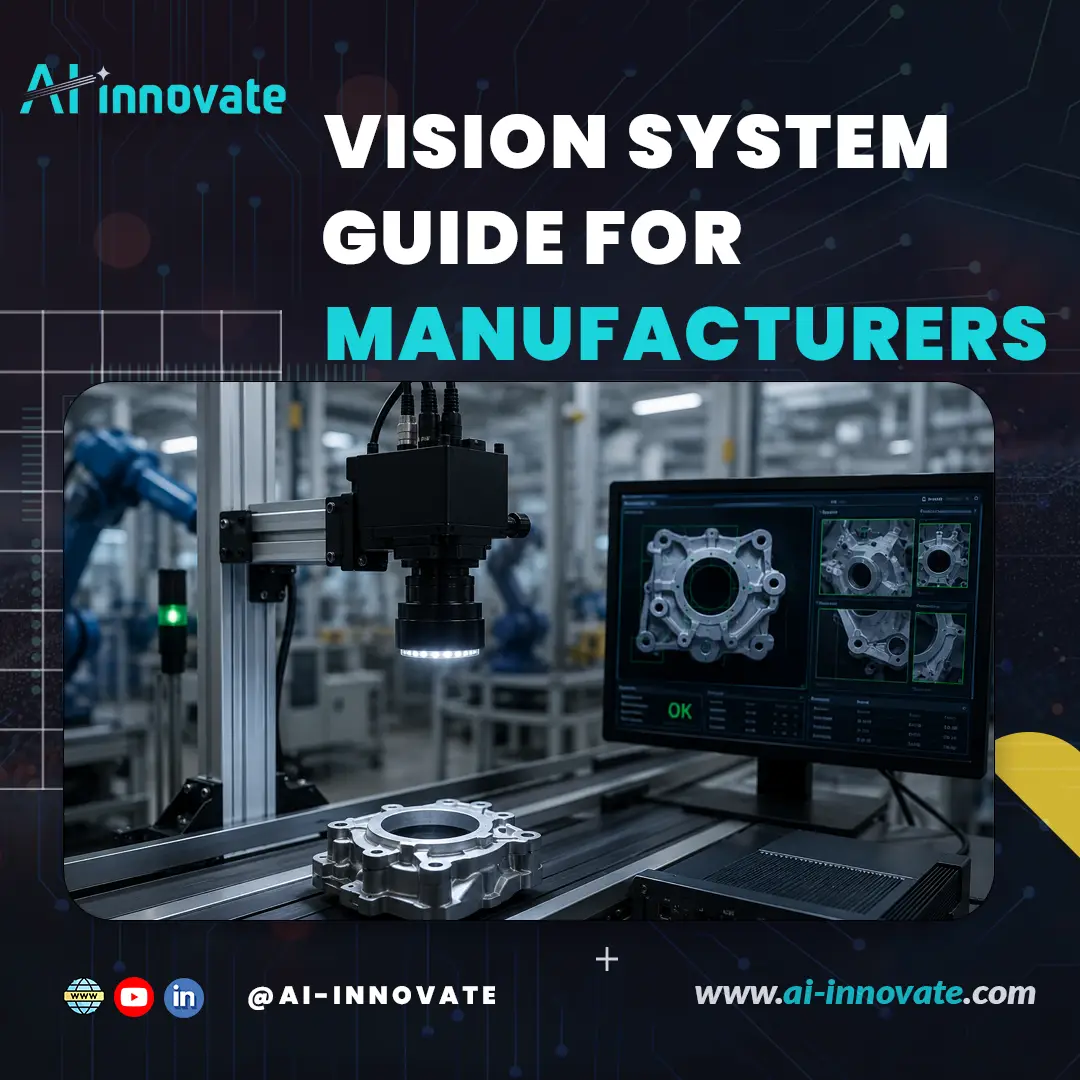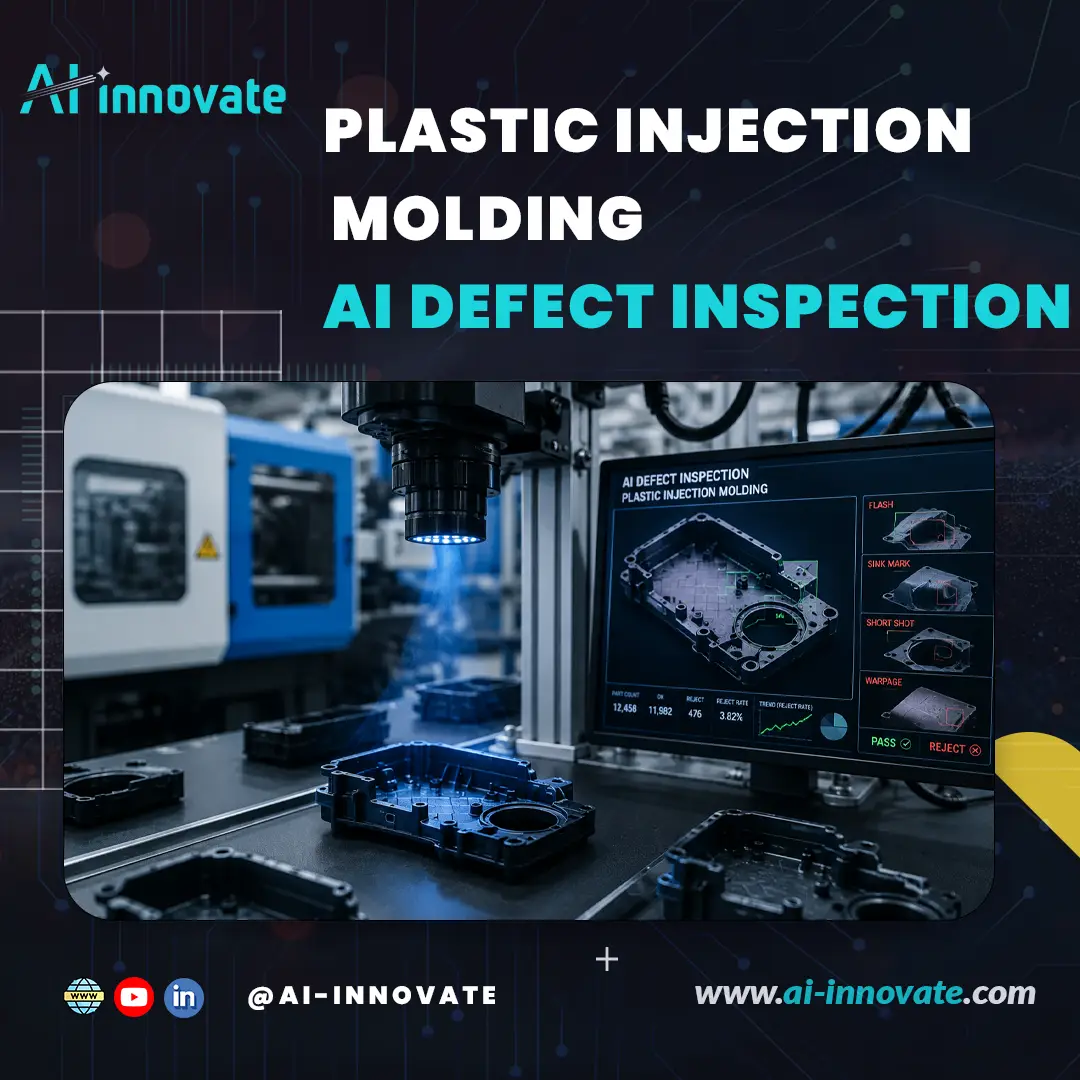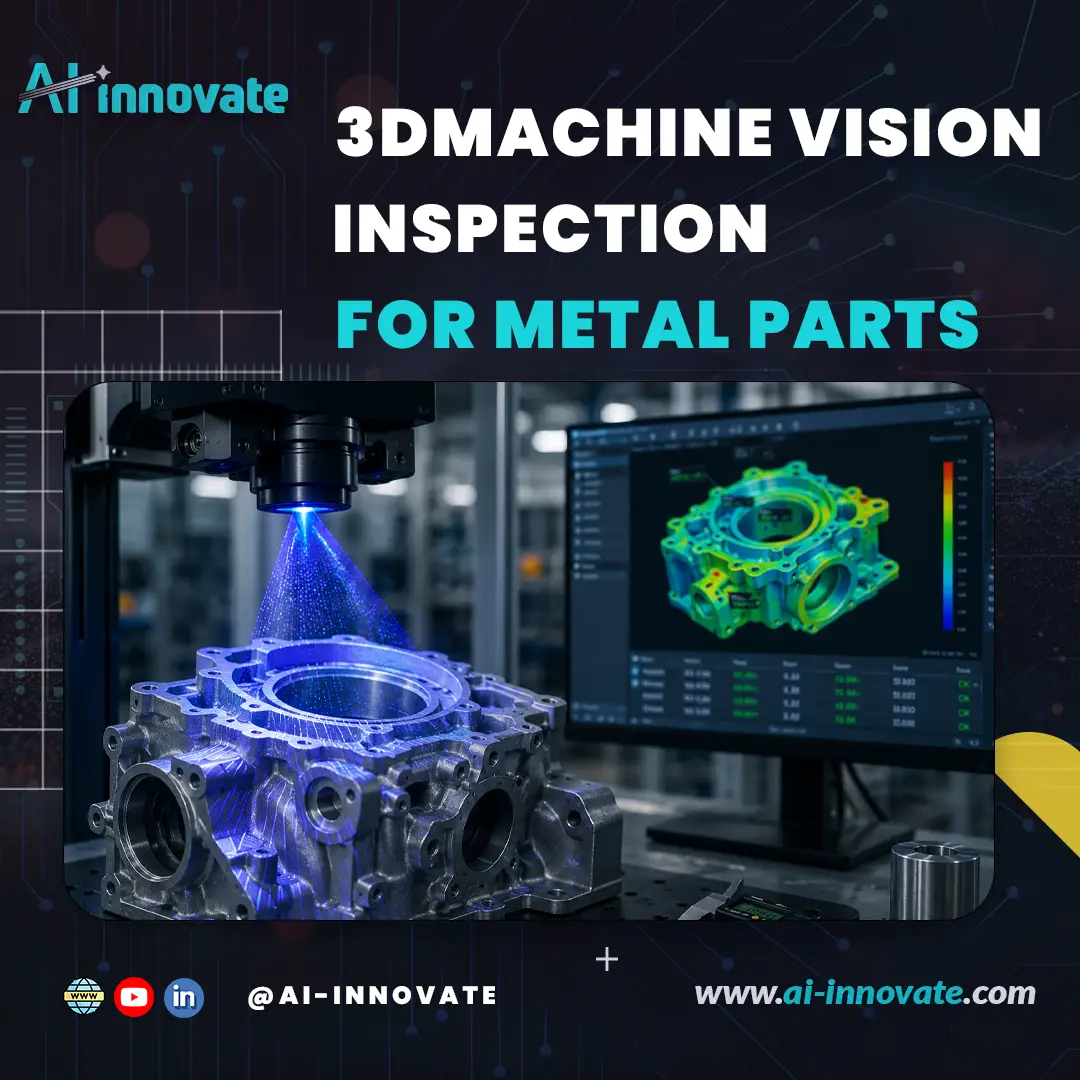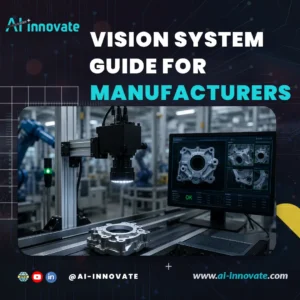





Visual inspection systems are very important in modern manufacturing and quality control. The right system can improve product consistency, reduce waste, and prevent costly failures. It can do so by detecting surface defects and verifying assembly accuracy. However, choosing an automated visual inspection system isn’t a one-size-fits-all decision.
Manufacturers often have to deal with a lot of different challenges. These include a wide range of camera technologies, multiple software approaches, varying lighting and optics requirements, and differences in vendor support and integration capabilities. This guide explains the most important things to think about when choosing a visual inspection system.
Edge AI in Smart Factories Faster Decisions, Faster Decisions.
Discover how Edge AI enables smart factories to process data instantly at the source. Reduce latency, improve responsiveness, and make faster, data-driven decisions that optimize production, quality, and efficiency.

Define Your Inspection Requirements
It’s very important to clearly define inspection requirements. This is the foundation of a successful visual inspection system. Many problems happen when expectations are unclear or not complete at the start.
First, you need to know what the system needs to inspect. This includes:
- surface defect detections, like scratches, cracks, dents, or pits
- Problems with the assembly, like parts not being there or not lined up right.
- The dimensions and shapes must meet certain standards.
- Text, labels, barcodes, or markings
- There might be differences in color or how the surface looks.
There also some other important aspects to keep in mind:
- The size of the defect and how easy it is to see it determine the camera resolution that is needed
- The ability to inspect quickly and efficiently, especially in high-speed production environments
- Factors in the production environment, such as dust, vibration, temperature changes, or reflective surfaces
Select the Appropriate Camera Technology
The camera is the most important part of any system that uses vision to inspect things. Choosing the right camera makes it easy to see, measure, and capture defects.
- Key camera-related factors to evaluate include:
- Resolution, which determines the smallest detectable defect
- Frame rate, especially important for fast-moving production lines
- Shutter type, with global shutters preferred to reduce motion blur
Sensor type, such as:
- Monochrome sensors for high-contrast defect detection
- Color sensors for label, packaging, or color verification tasks
The goal is to select a camera that meets inspection needs without creating unnecessary processing complexity.
Optimize Lighting and Optics
Lighting is one of the most important parts of a visual inspection system, but it’s often not given enough attention. Even the best camera can’t make up for poor lighting.
Effective lighting design focuses on:
- Highlighting defects or features of interest
- Reducing glare, shadows, and background noise
- Enhancing contrast between acceptable and defective areas
There are different types of lighting, such as ring lights, bar lights, dome lights, backlighting, and coaxial illumination. Each type of inspection is used for a specific purpose, depending on the part’s geometry, surface finish, and defect type.
Choosing the right optics is also important. The lens focal length, field of view, and depth of field must be carefully matched to the area being inspected.
Choose Between AI and Rule-Based Software
The software determines how inspection decisions are made, making this one of the most important choices in a visual inspection system. Many manufacturers use a mix of rule-based logic and AI detection to balance performance and transparency.
Rule-based inspection systems:
- Use predefined thresholds, measurements, and logic
- Work well for consistent, well-defined defects
- Are easier to validate and explain
- Typically require less training data
While AI-based inspection systems:
- Use machine learning or deep learning models
- Excel in complex or variable inspection scenarios
- Adapt better to changes in texture, lighting, and surface appearance
- Are ideal for coatings, natural materials, or complex assemblies
Evaluate Integration and Vendor Support
A visual inspection system doesn’t work on its own. It must work well with the equipment, control systems, and data infrastructure that are already in place.
First, you need to figure out how the system will communicate with other systems, like PLCs, robots, MES, or ERP. Real-time feedback may be needed to reject parts, adjust processes, or trigger alarms. It works with common communication protocols, which makes it easy to use and reduces times when it’s not operational.
Another important thing to consider is vendor support. Even the most advanced system will need to be set up, calibrated, maintained, and occasionally troubleshot. A good vendor should offer training, documents, and quick technical support.
It’s also important to think about how well the system can adapt to grow. As production volumes increase or inspection requirements change, the system should be able to adapt without needing to be replaced completely. This includes updates to the software, upgrades to the camera, and adding more inspection points.
Finally, check how much experience the vendor has in your industry. Suppliers who have successfully delivered similar systems in the past are more likely to provide a system that meets your needs.
AI Innovate: Flexible Visual Inspection Systems for Modern Manufacturing
AI Innovate helps manufacturers design and deploy visual inspection systems that match real-world production needs. Our AI-driven tools support both rule-based and advanced AI inspection, making it easier to detect defects, adapt to change, and scale over time. We assist with:
- AI defect detection and quality monitoring using AI2Eye for complex surfaces, coatings, and variable parts
- Visual data generation and validation with AI2Cam to support system training, testing, and performance optimization
- Flexible inspection workflows built on the AIxCore platform that integrate with existing cameras, lighting, PLCs, and control systems
- Scalable inspection solutions that adapt to new products, higher speeds, and evolving quality requirements
Whether you’re upgrading an existing inspection setup or building a new system from scratch, AI Innovate helps make visual inspection accurate, adaptable, and production-ready.
Conclusion
Choosing the right visual inspection system requires more than just picking a camera and software package. To do this, you need to understand your inspection goals, the environment where your products are made, and your long-term operational needs. I believe to build an inspection system that delivers consistent, accurate results, you need to clearly define requirements, select appropriate camera technology, optimize lighting and optics, choose the right software approach, and work with a reliable vendor.
Sources
Ai-Innovate uses only high-quality sources, including peer-reviewed studies, to support the facts within our articles.
- Visual Inspection System Patent Landscape Report 2025
Globe Newswire — Analysis of over 5,400 patents highlighting key growth areas in visual inspection technologies such as AI-driven processing, 3D vision, and collaborative AI systems.
https://www.globenewswire.com/news-release/2025/09/18/3152576/28124/en/Visual-Inspection-System-Patent-Landscape-Report-2025-Analysis-of-5-433-Patents-Key-Growth-Areas-Include-AI-driven-Processing-3D-Vision-and-Collaborative-AI-Systems.html - Selecting the Correct Industrial Machine Vision Camera
KEYENCE — Resource guide on choosing the right industrial machine vision camera based on application requirements, lighting, resolution, and more.
https://www.keyence.com/products/vision/vision-sys/resources/vision-sys-resources/selecting-the-correct-industrial-machine-vision-camera.jsp - AI Visual Inspection for Defect Detection Market Report
HTF Market Insights — Market research report covering trends, drivers, and forecasts for AI-enabled visual inspection systems in defect detection applications.
https://htfmarketinsights.com/report/4284385-ai-visual-inspection-for-defect-detection-market - Machine Vision Technology Highlights at AUTOMATE 2025
Vision Systems Design — Coverage of emerging machine vision demos and industrial automation trends showcased at the AUTOMATE 2025 event.
https://www.vision-systems.com/cameras-accessories/article/55291757/automate-2025-machine-vision-technology-galore-in-demos-of-industrial-processes
FAQ
What is the difference between AOI and AVI?
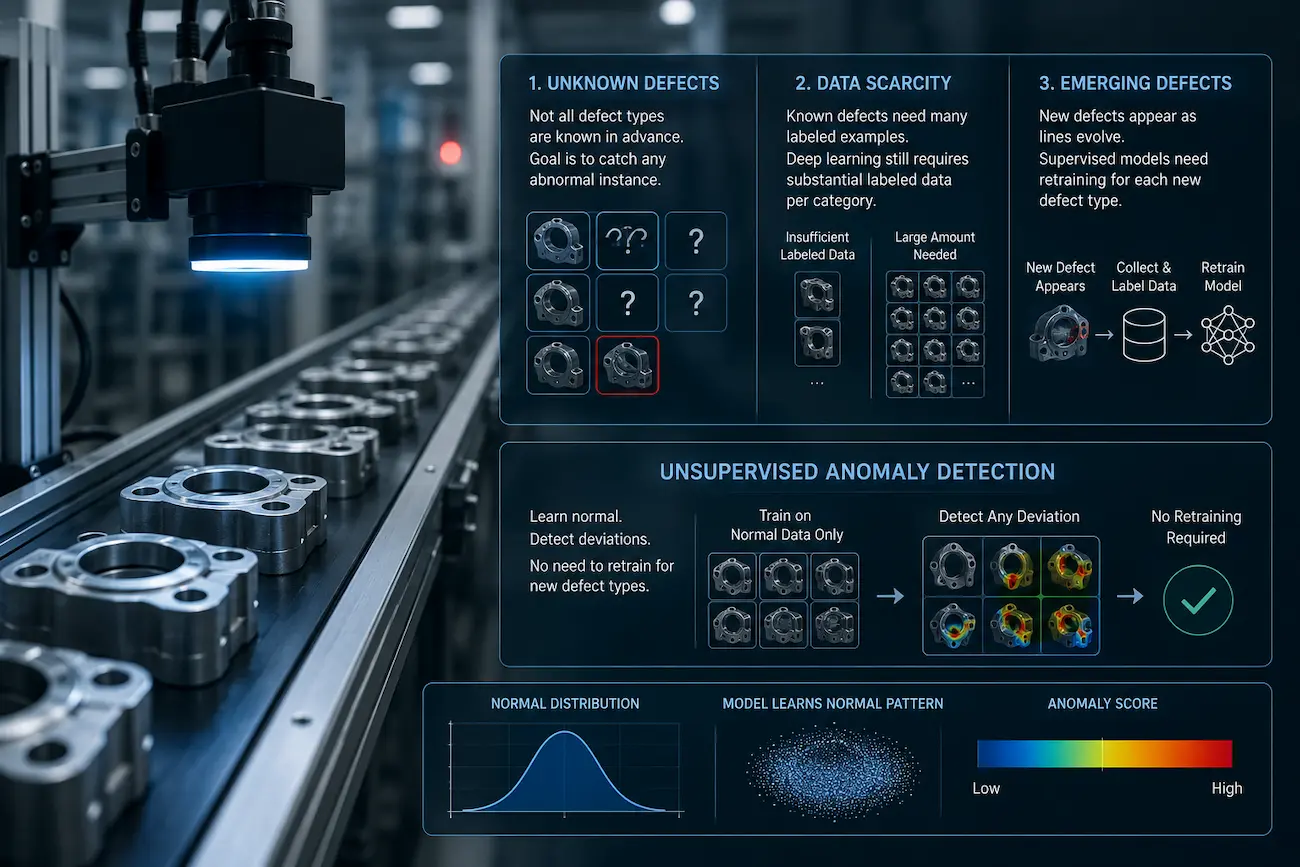
AOI (Automated Optical Inspection): A rule-based system that uses template matching to detect defects. It is highly effective for static, simple defects in structured environments but can struggle with natural variations, leading to higher false-positive rates.
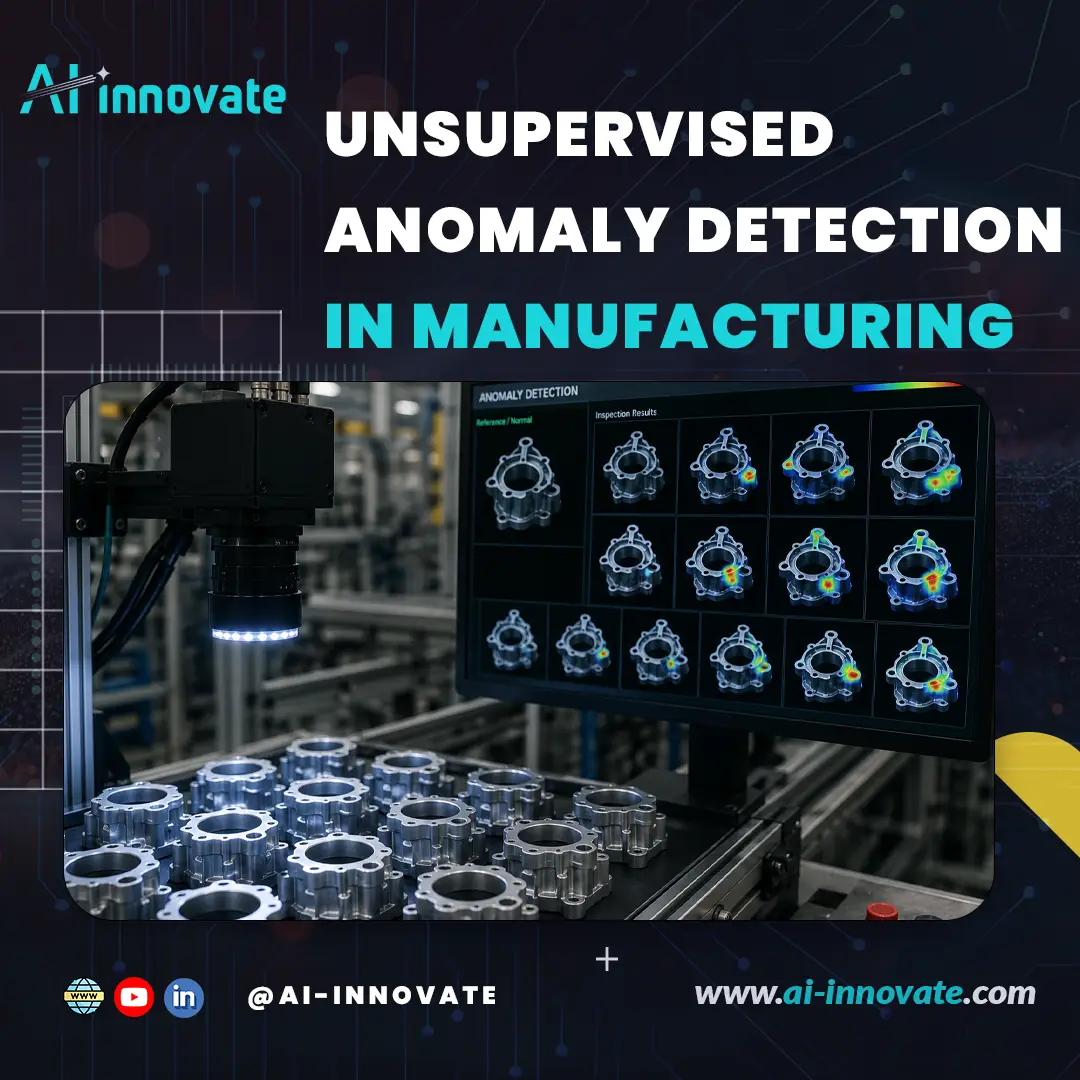
AVI (Automated Visual Inspection): Powered by AI and machine learning, AVI learns “normal” patterns from image datasets. It is more flexible and accurate for complex, organic, or variable defects (like scratches on brushed metal) and generally requires less manual reprogramming.
What are the biggest visual inspection implementation challenges?
False Rejects (Overkill): Setting tolerances too tight can cause the system to reject good parts, hurting yield.
Environmental Factors: Variations in ambient light, dust on lenses, or conveyor vibration can compromise accuracy.
Data Management: AI systems generate massive volumes of data that require structured handling for model retraining and audit trails.
Can I upgrade my existing visual inspection system to AI?
Yes. Many 2026 software platforms are hardware-agnostic, allowing you to augment existing 2D/3D cameras with AI-driven software to reduce false positives and handle new defect types without replacing expensive hardware.