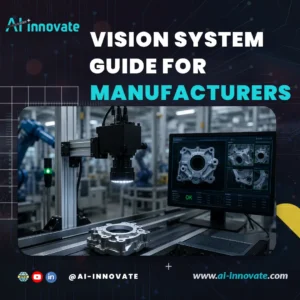





Quality assurance, and consequently, defect detection, are progressing more and more as AI and robotics advance. Many industries face limitations with traditional methods, as they’re prone to speed limit and human fatigue. Robotic systems can inspect products with high precision, repeat the same task consistently, and work directly within fast-moving production environments. When combined with cameras, sensors, AI, and real-time analytics, robots improve defect detection in manufacturing by automating quality assurance.
In this blog, we’ll look at the key technologies behind robotic quality assurance, how robots detect defects, where they are used, and how they are changing quality control across modern production lines.
Automate Quality Control , with Intelligent Robotics
Enhance defect detection, minimize rework, and maintain consistent standards using AI-powered robotic inspection systems.

Main Technologies Used in Robotic Defect Detection
Robotics in quality assurance depends on a combination of hardware, software, and intelligent inspection tools. These systems assist manufacturers with inspecting products more accurately and responding to quality issues in real time.

Vision-Guided Robotics (VGR)
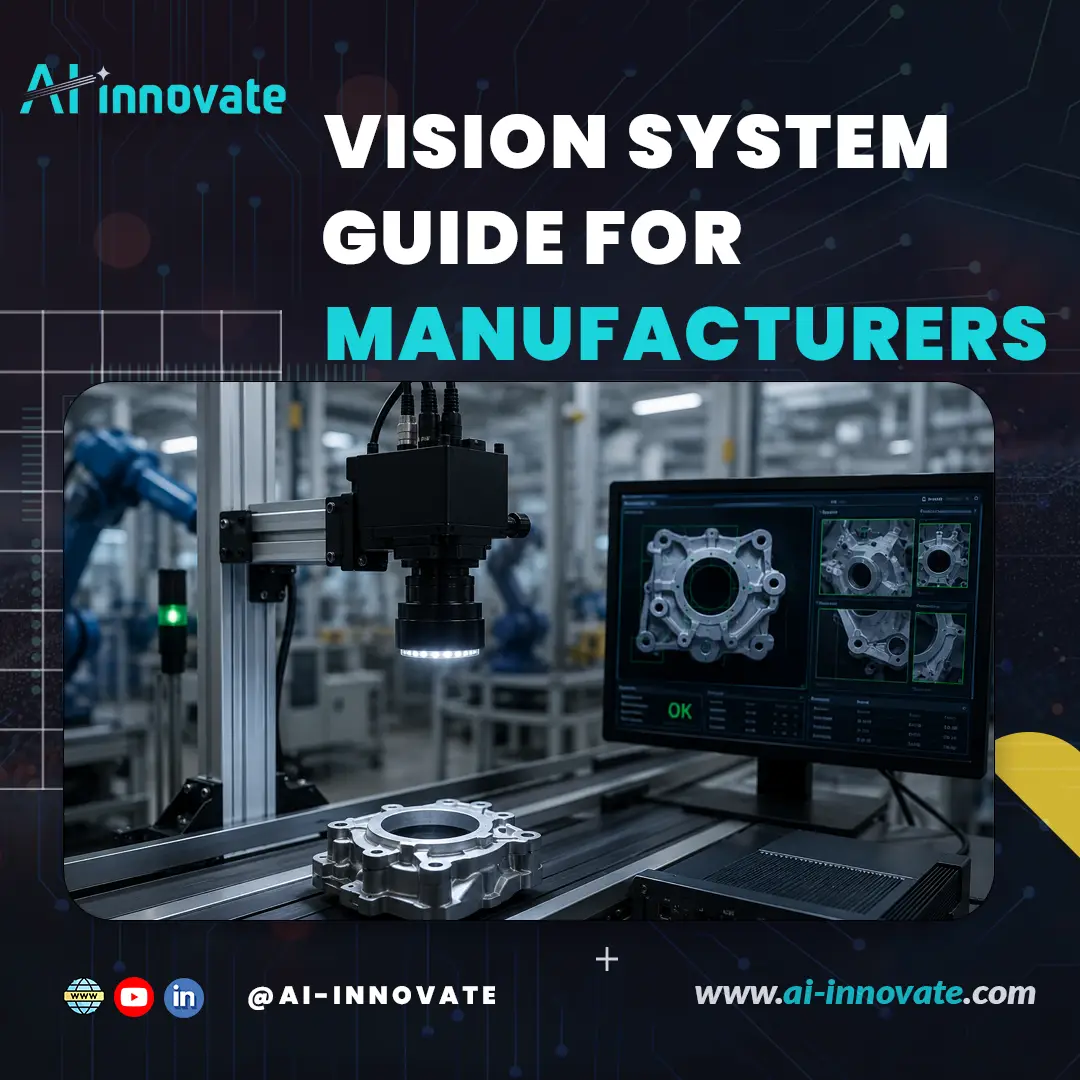
Vision-guided robotics uses cameras and sensors mounted on or near robotic systems to help them inspect products more flexibly. Unlike fixed inspection systems, these robots can adjust their inspection angles and positions as needed.
This is useful in applications where parts vary slightly in position, or where multiple viewing angles are required for proper quality checks. Vision-guided robotics can improve inspection coverage and enable greater automation flexibility.
AI and Machine Learning
AI and machine learning allow robotic systems to analyze image data and detect patterns linked to defects. Deep learning models can identify subtle issues such as surface flaws, cracks, imperfections, or missing features in real time.
This is especially valuable in environments where defects aren’t easily spotted or where product appearance can vary slightly from one item to another. AI gives robotic inspection systems a smarter way to classify defects and reduce false alarms.
Collaborative Robots (Cobots)
Collaborative robots, or cobots, are designed to work alongside human operators. In quality assurance, they can be added to existing lines more easily than larger robotic systems and are often used for tasks such as part placement, visual inspection, or surface checking.
Cobots are useful when manufacturers want to automate repetitive inspection tasks while still benefitting from human insight.
Autonomous Mobile Robots (AMRs)
Autonomous mobile robots can move through production environments without defined paths. In quality assurance, they may be used to transport components between stations or carry inspection tools to different points in the plant.
They can also support in-line inspections by moving materials or helping quality teams reach different production areas more efficiently.
IoT and Real-Time Analytics
The Internet of Things (IoT) and real-time analytics connect robotic inspection systems with production data. Sensors on the production line can provide information about machine conditions, product behaviour and quality patterns during production.
This enables manufacturers to move beyond basic inspection, identifying trends, predicting problems and improving process control before defects escalate.
Advanced Sensors
Modern robotic quality systems often use advanced sensors that do more than normal visual inspection. These tools are used to detect problems that may be difficult or impossible to see with the human eye alone
These may include:
- 3D cameras
- Infrared cameras
- Laser scanners
- Force sensors
- Thermal sensors
- Shape and dimension sensors.
How Robots Detect Defects
Robotic defect detection relies on several interconnected components working together. Each component plays a specific role in the inspection process. These components enable robotic systems to inspect products more consistently and respond quickly when quality issues are detected.
Component | Role |
Robot arm or cobot | Moves the inspection camera, sensor, or product |
Camera / 2D / 3D vision | Captures images or depth data |
Lighting system | Improves visibility of surface defects |
AI or computer vision model | Detects and classifies defects |
Sensors | Measure force, temperature, vibration, shape, or dimensions |
Software dashboard | Records results, rejects defective items, and tracks trends |
Where Quality Assurance Leverages Robotics
Robotics are able to support many different quality assurance tasks across industrial environments. Some applications focus on visible defects, while others involve measurements, process checks, or hidden problems.
This Topic might also interest you :
Visual Inspection
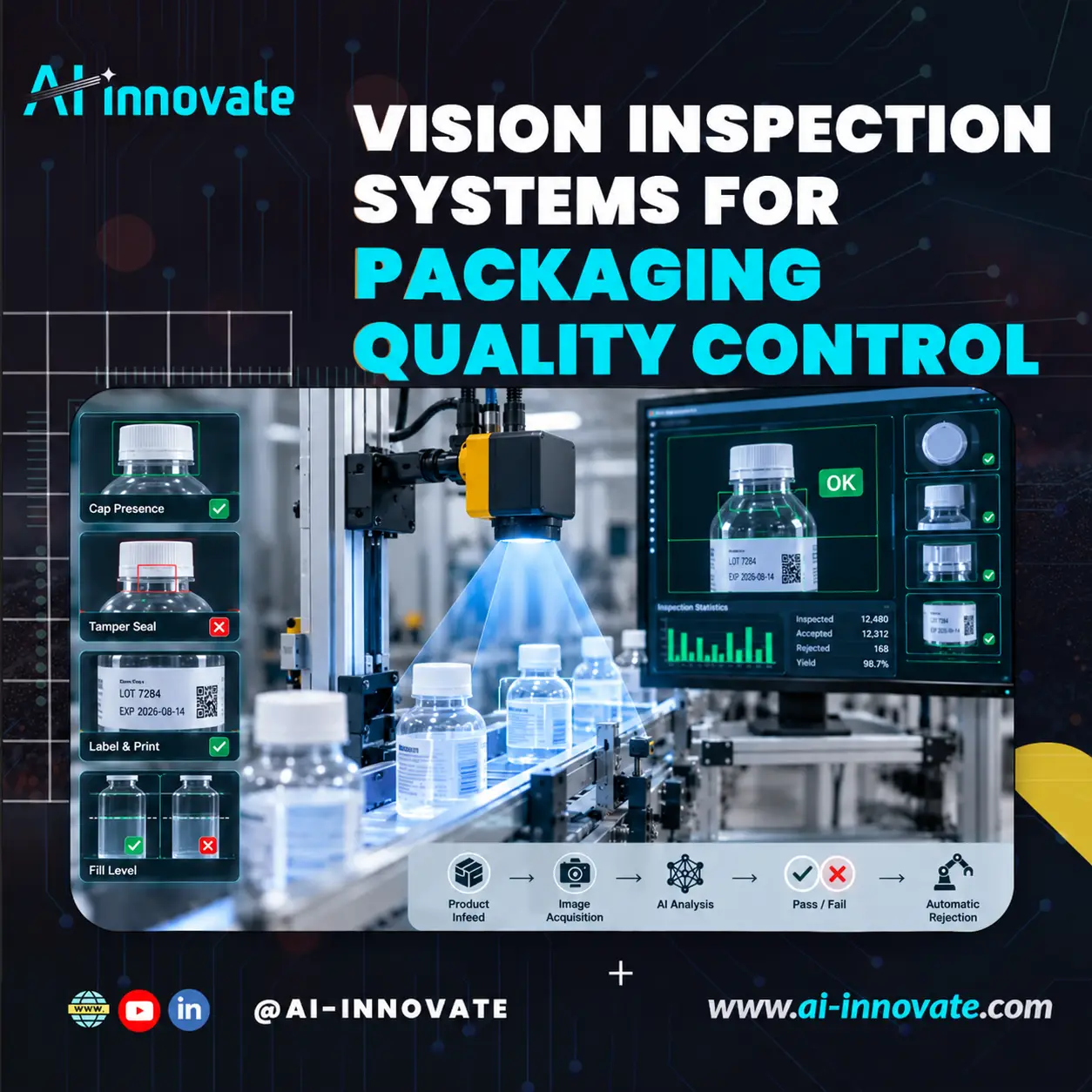
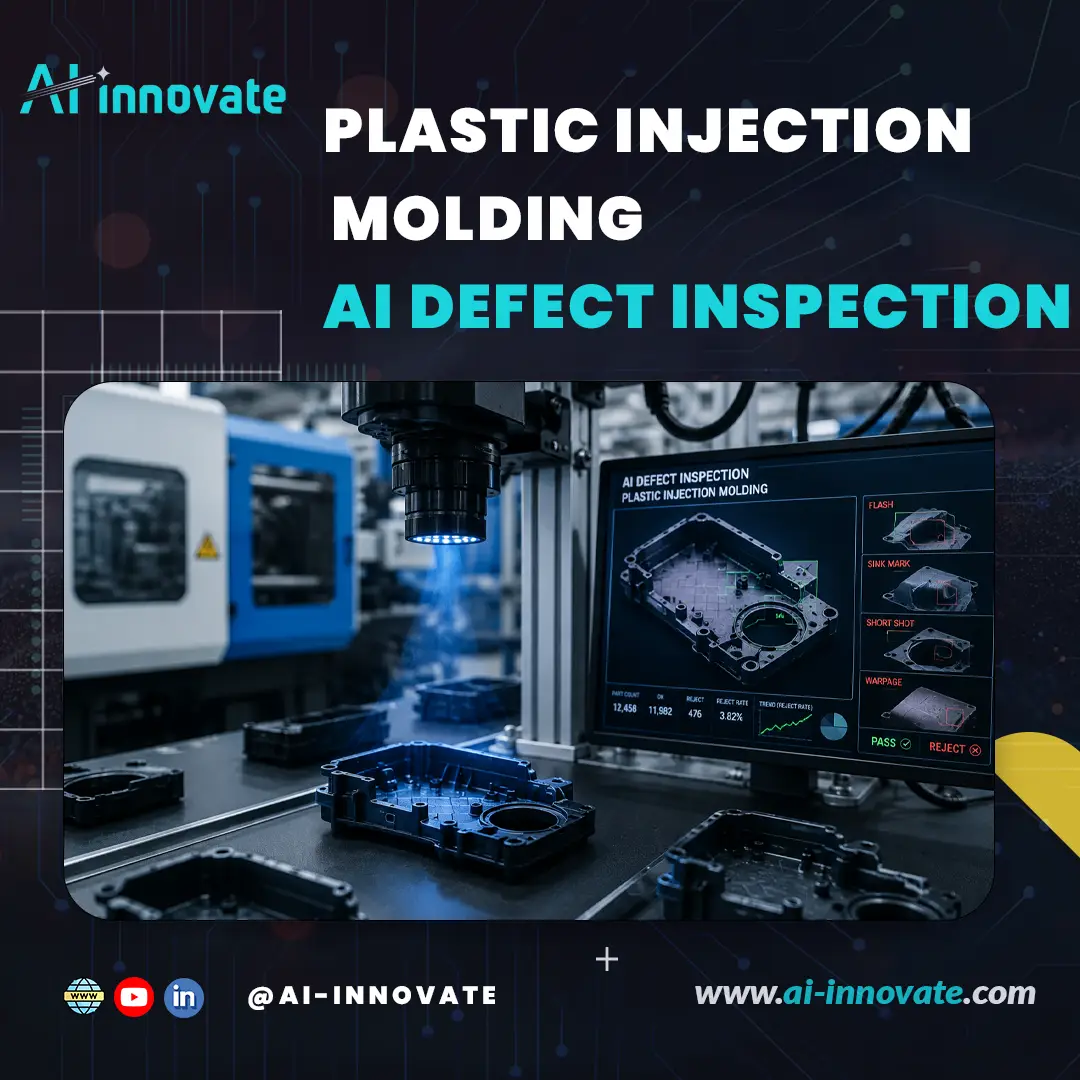
Robotic vision systems can inspect products for visible defects such as:
- Scratches
- Dents
- Cracks
- Discoloration
- Missing labels
- Printing errors
- Assembly defects
This speeds up the process of identifying issues and reduces the risk of defective items moving to the next stage of production.
Dimensional Inspection
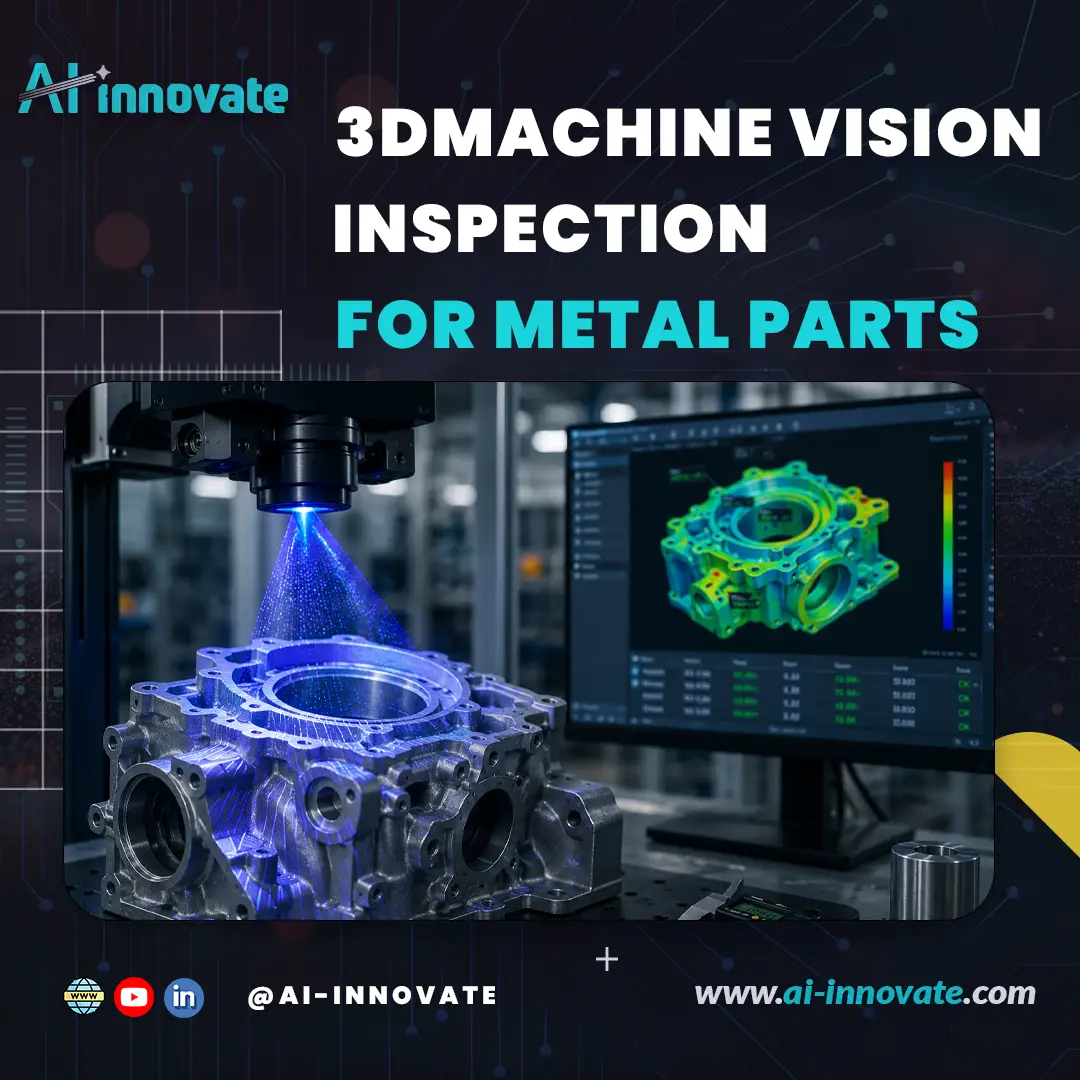
Robots can also be used for dimensional inspection. By using 3D scanners or laser sensors, they can measure size, shape, alignment, gaps, tolerances and surface geometry.
This is useful when products need to meet tight specifications, as even small dimensional errors can cause quality issues.
Assembly Verification
During the assembly verification process, robotic systems check that components are installed correctly, facing the right way and in the correct order.
This helps to ensure that the assembly process is being followed as planned and reduces the likelihood of defects related to the process.
Surface Inspection
Surface inspection is one of the most common uses of robotics in quality assurance. Robots can inspect materials and products for flaws on metals, plastics, textiles, packaging, electronics, glass, and automotive parts.
This type of inspection is most valuable when products move quickly and require consistent checks across large volumes.
This Topic might also interest you :
Non-Destructive Testing
Some robotic systems are equipped with non-destructive testing tools, such as ultrasonic, thermal, X-ray and eddy-current inspection devices.
These tools help to detect hidden defects without damaging the product. This is important in industries where internal flaws must be identified before products are approved for use.
Inline Quality Control
In-line quality control involves inspecting products directly on the production line, rather than waiting for end-of-line testing.
This leads to faster defect detection, less waste and rework costs while improving overall production efficiency.
The Transformative Impact of Robotics on QA and Defect Detection
Robotics is transforming quality assurance by enabling more continuous, consistent and data-driven inspections.
- Proactive Inspection: One of the biggest changes is the move from reactive inspection to proactive inspection. Instead of finding problems only at the end of production, robotic systems can inspect products continuously in real time.
- Unmatched Precision: Robotic systems can repeat the same inspection task with a high level of consistency. Unlike human inspectors, robots don’t get tired or lose focus during repetitive work.
- Data-Driven Decision Making: Robotic inspection systems can automatically log inspection data. This boosts traceability and provides manufacturers with more information for analysis, reporting and process improvement.
Steps to A Typical Robotic Inspection Workflow
A robotic inspection workflow often follows a clear step-by-step process. A typical example may look like this:
- Product arrives at the inspection station.
- The robot positions the product or camera.
- Cameras capture images from multiple angles.
- The AI model compares the product against quality standards.
- Defects are classified by type and severity.
- The system accepts, rejects, or flags the product.
- Data is stored for quality reports and root-cause analysis.
Turn Robotic Quality Assurance into Measurable Manufacturing Gains
Robotic quality assurance only creates value when it is deployed with the right inspection infrastructure, sensor integration, and AI capabilities. Moving from manual checks and isolated automation projects to reliable production-floor impact requires scalable vision systems, real-time analytics, and robotics that can inspect products consistently within fast-moving manufacturing environments.
At AI-innovate, we help manufacturers bridge the gap between robotic inspection theory and operational execution by providing:
- Edge AI infrastructure with AIxCore (powered by NVIDIA Jetson Orin AGX) for real-time image processing, sensor fusion, and defect analysis directly on the production line
- Intelligent visual inspection with AIxEye, enabling faster detection of surface defects, assembly errors, dimensional issues, and process deviations across automated quality workflows
- Synthetic data capabilities through AIxCam, helping teams strengthen robotic inspection models when defect samples are limited, product variation is high, or rare edge cases are difficult to capture
Whether you’re adding AI-powered inspection to a single robotic cell or scaling robotic quality assurance across multiple production lines, the key is combining reliable data capture, explainable AI models, and industrial-grade deployment built for real manufacturing environments.
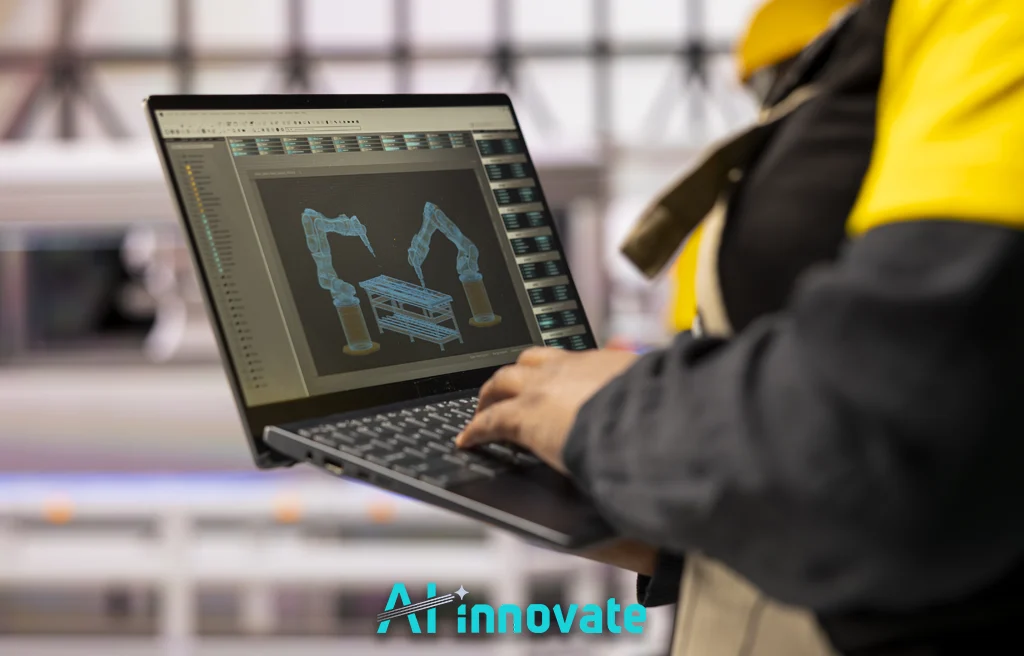
Conclusion
Robotics is becoming an increasingly important part of quality assurance and defect detection, helping manufacturers to inspect products more accurately and consistently at a faster pace. By combining robotic movement with cameras, sensors, AI, and real-time analytics, visible and hidden defects can be detected at an earlier stage in the production process.
Robotic systems support many of the inspection tasks that modern production depends on, from visual inspection and dimensional checks to non-destructive testing and inline quality control. We believe as factories continue to become more automated and connected, robotics is likely to play an even greater role in helping manufacturers to improve quality and reduce defects.
Sources
Ai-Innovate uses only high-quality sources, including peer-reviewed studies, to support the facts within our articles.
- Robotics Quality Assurance: Definition, Importance, and Applications
https://www.meegle.com/en_us/topics/robotics/robotics-quality-assurance - The Role of Robotics in Quality Control: Ensuring Perfection in Every Package
https://packagingsystems.com/the-role-of-robotics-in-quality-control-ensuring-perfection-in-every-package - Quality Control Robots: Ensuring Excellence for Manufacturers
https://howtorobot.com/expert-insight/quality-control-robots-ensuring-excellence-manufacturers - Quality Inspection: Why We Trust in Our Own Solutions
https://www.agile-robots.com/en/news/detail/quality-inspection-why-we-trust-in-our-own-solutions - AI-Driven Quality Control in Manufacturing
https://www.elisaindustriq.com/resources/blog/ai-driven-quality-control-in-manufacturing - Advancements in Robotics and Quality Assurance
https://www.roboticscareer.org/news-and-events/news/111191 - Advancing Manufacturing with Robotic Solutions for Quality Assurance
https://www.sciencedirect.com/science/article/pii/S2590005625000207 - How Defect Detection AI is Reshaping Quality Assurance in Manufacturing
https://imerit.net/resources/blog/how-defect-detection-ai-is-reshaping-quality-assurance-in-manufacturing/ - AI-Based Defect Detection and Quality Assurance Research
https://easychair.org/publications/preprint/zt9Z - How Robotic Inspection is Changing Quality Control Forever
https://dynalog-us.com/blog/how-robotic-inspection-is-changing-quality-control-forever/
FAQ
What is the first step toward automating defect detection?
Target the “Top 3” most critical defects, those that cause the highest scrap or rework costs, rather than trying to automate everything at once. Focus on high-volume stations where errors have significant financial or safety consequences.
Can AI vision be added to existing manual inspection stations?
Yes. Most modern AI vision platforms are designed to integrate with standard industrial cameras and Programmable Logic Controllers (PLCs) already on the factory floor. Often, the most critical physical upgrade needed is optimized lighting to ensure defect visibility.
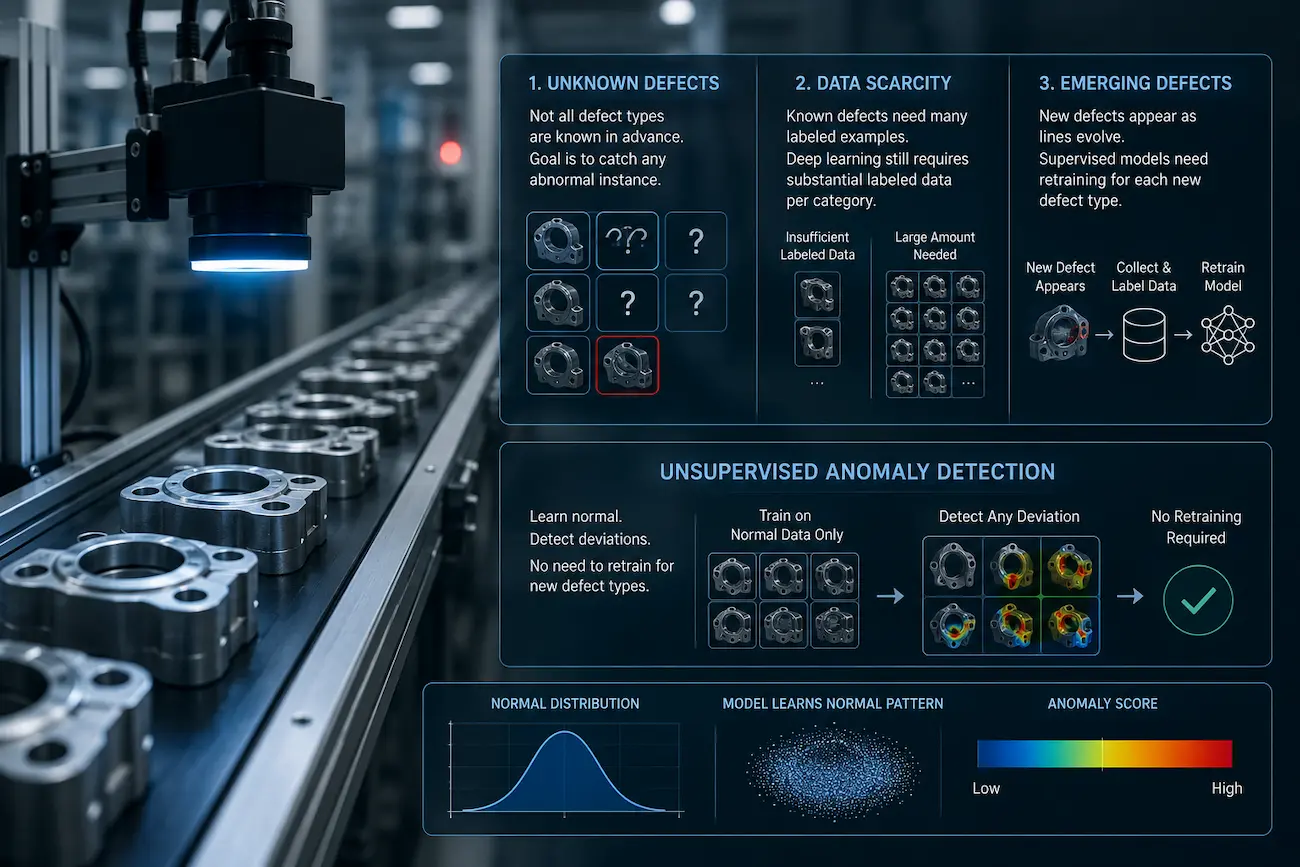
What if I don't have images of every possible defect to train the AI?
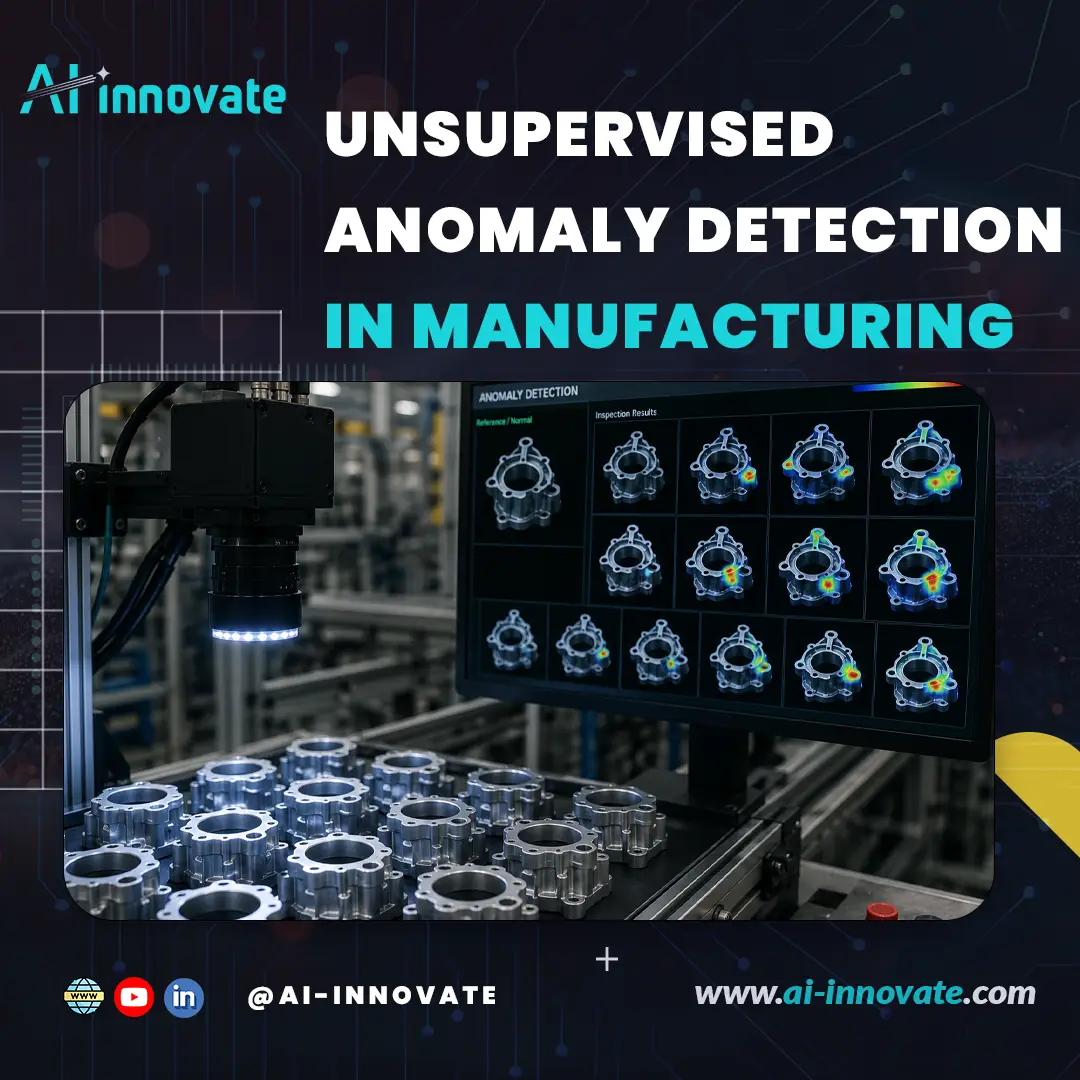
You don’t always need them. Some AI systems can use anomaly detection to learn what a “good” part looks like and then flag anything that deviates from that norm.