




Quality control decisions made early in the manufacturing process can quietly shape everything that follows. Whether defects are caught immediately or after production is complete can influence costs and how teams respond to problems. Many factories still rely on end-of-line inspections simply because that is how quality has always been managed.
However, as production lines become faster, more automated, and more complex, this traditional approach begins to reach its limits. Defects detected too late often result in wasted materials and missed opportunities to understand what went wrong during production.
This distinction matters because quality inspection is no longer just about sorting good parts from bad ones. It plays a central role in process stability, traceability, and long-term operational efficiency and overall profibility.
In this article, we will compare inline and end-of-line inspections, explain how each works, and discuss their respective strengths and limitations. We will also explore how manufacturers can determine which strategy best fits their production environment.
Inline Inspection vs End-of-Line Checks
Compare inline inspection and end-of-line quality checks to understand where defects should be detected for maximum impact. Learn how real-time AI inspection reduces scrap, speeds feedback, and improves overall manufacturing efficiency.

What Is Inline Inspection?
In-line inspection refers to quality checks performed directly within the production process while parts are being manufactured or assembled.
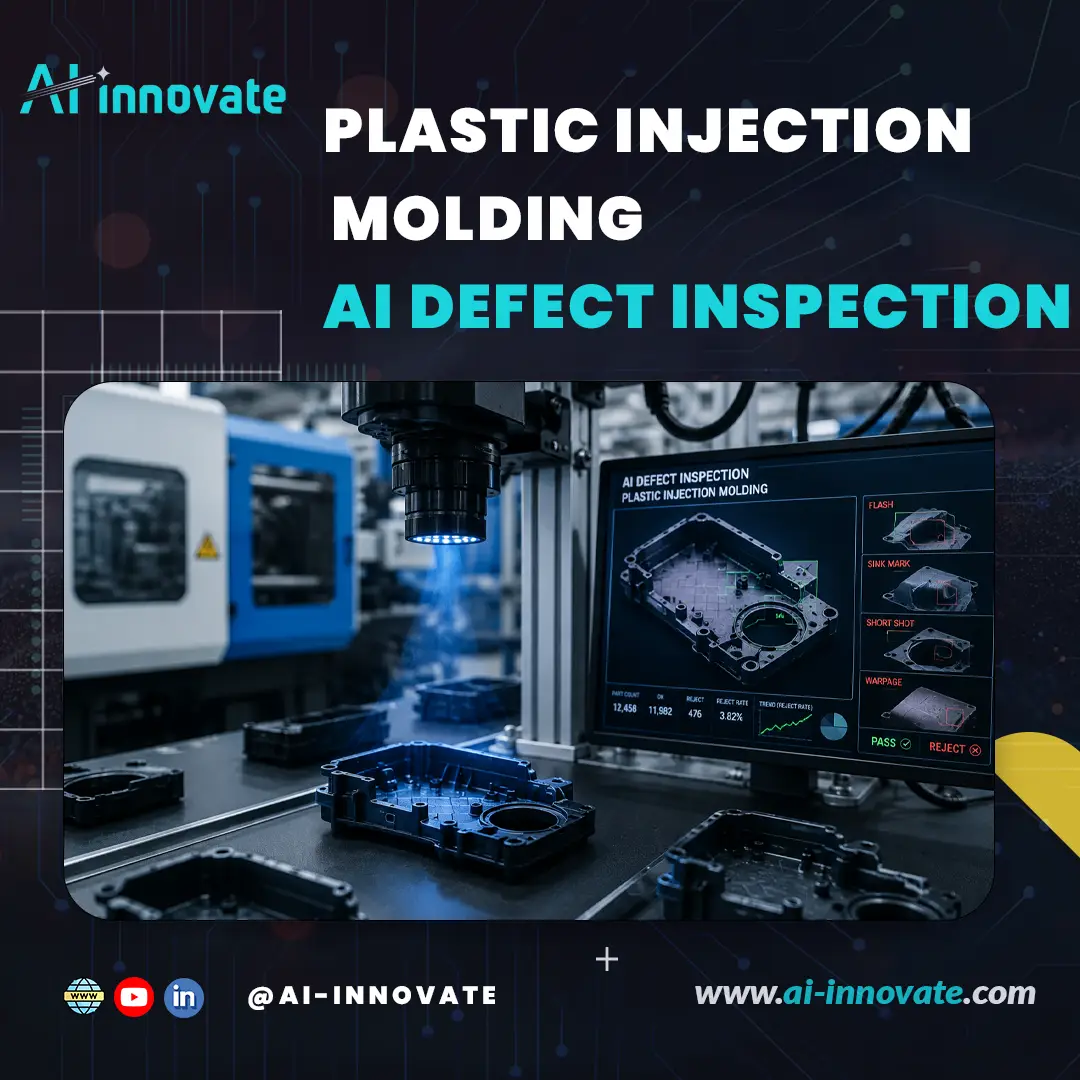
These systems are positioned at critical stages along the production line and analyze components in real time. When defects are detected, the system can trigger alerts, remove parts, or provide feedback to upstream processes.
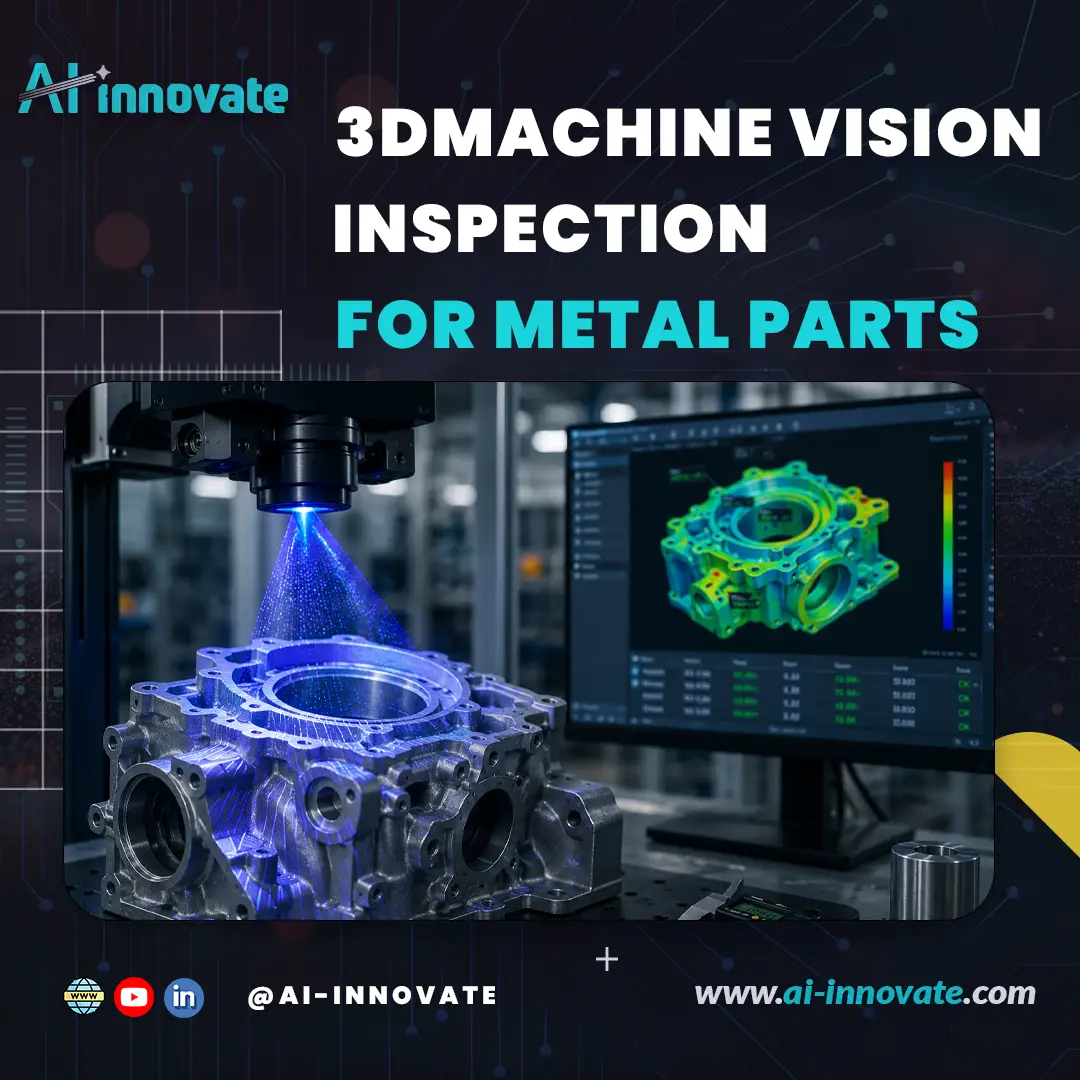
This approach enables manufacturers to identify problems as they emerge rather than after an entire batch is complete. Inline inspection is often associated with automated visual inspection, machine vision, and real-time defect analysis.
What Is End-of-Line Quality Inspection?
An end-of-line inspection is performed after a product has completed all manufacturing steps. Before packaging, shipment, or final approval, parts are evaluated.
This method is commonly used to verify the quality of the final product, ensure compliance with specifications, and prevent defective items from reaching customers. It may involve manual inspection, sampling, or automated inspection stations.
End-of-line checks are typically easier to implement and require fewer integration points with the production line. However, they offer limited insight into when or why defects occurred during manufacturing.
- Read Also:
Key Differences Between Inline and End-of-Line Inspection
Timing of Defect Detection
Inline inspection identifies defects as soon as they appear, often within seconds of formation. End-of-line inspection detects defects only after all processing steps are complete.
Earlier detection allows corrective actions to be taken immediately, while late detection often results in scrap or rework.
Impact on Production Efficiency
Inline inspection helps prevent defect propagation. When an issue is detected early, upstream parameters can be adjusted to reduce future defects.
End-of-line inspection focuses on sorting outcomes rather than improving processes. While it protects customers, it does little to prevent repeated failures.
Data and Process Insight
Inline systems generate continuous data tied to specific production stages. This data supports AI-driven quality control and process monitoring.
End-of-line checks provide pass or fail results with limited context, making root cause analysis more difficult.
Advantages of Inline Inspection
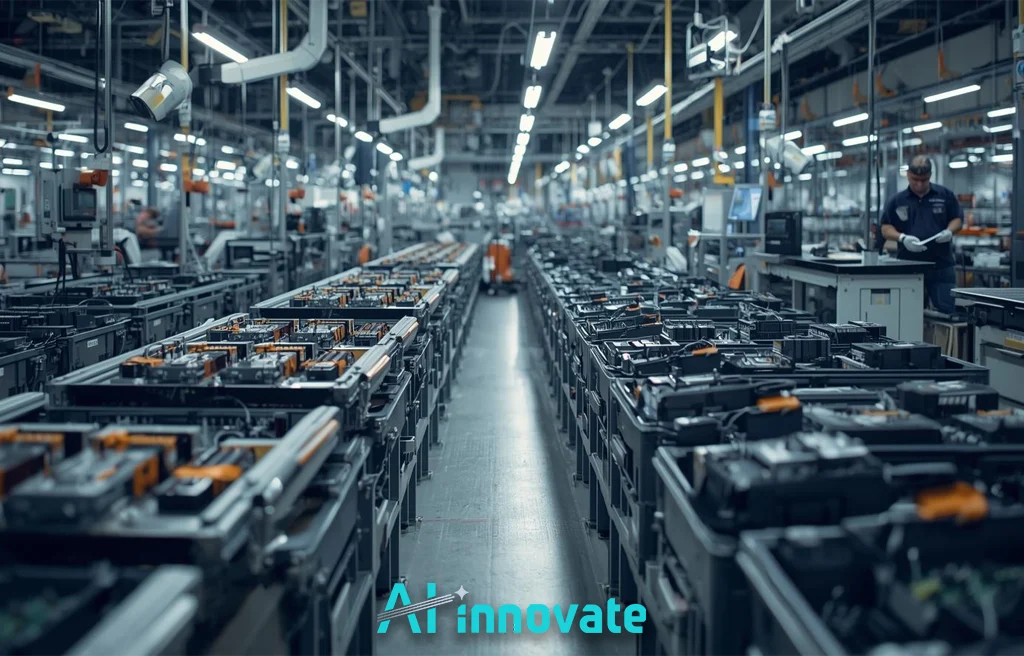
Inline inspection offers several practical benefits in modern manufacturing environments:
- Early defect detection using AI reduces material waste and rework
- Real-time feedback supports process optimization
- Higher inspection coverage at full production speed
- Improved traceability across production stages
- Strong foundation for machine learning in quality control
These advantages are particularly valuable in high-volume or high-precision production lines where small deviations can lead to large losses.
Advantages of End-of-Line Quality Checks
End-of-line inspection remains relevant and valuable in many scenarios:
- Simpler system integration and lower initial complexity
- Clear final verification before shipment
- Useful for regulatory compliance and certification
- Effective for low-volume or highly variable production
In many industries, end-of-line inspection serves as a final safeguard rather than a primary quality control mechanism.
Limitations of Each Approach
Inline inspection requires careful planning. It depends on stable lighting, consistent positioning, and reliable data pipelines. Initial setup and validation can be complex, especially in legacy production lines.
End-of-line inspection suffers from delayed feedback. By the time a defect is detected, significant resources may already be lost. It also provides limited visibility into process health.
Neither approach alone solves all quality challenges. Each carries trade-offs that must be evaluated in context.
How Inline QC Automation Improves Manufacturing Processes
Inline QC automation improves manufacturing processes by inspecting products continuously as they move through the production line, allowing quality issues to be detected and corrected before they affect downstream operations. Unlike traditional quality checks performed after production is complete, inline quality control provides immediate feedback that enables operators and automated systems to respond to process deviations in real time.
Modern inline QC automation combines AI-powered machine vision, industrial cameras, sensors, edge computing, and manufacturing execution systems (MES) to monitor every product without slowing production. This continuous inspection approach reduces scrap, minimizes rework, improves First Pass Yield (FPY), increases Overall Equipment Effectiveness (OEE), and helps manufacturers maintain consistent product quality even in high-speed production environments.
Real-Time Product Inspection
Industrial cameras and sensors capture images and production data as every product moves through the manufacturing line without interrupting production.
AI Defect Detection
Machine vision and AI algorithms analyze images instantly to identify scratches, cracks, missing components, dimensional variations, assembly errors, and other quality defects.
Immediate Process Feedback
Inspection results are sent directly to operators, PLCs, or manufacturing execution systems (MES), allowing production parameters to be adjusted before additional defects occur.
Automatic Defect Handling
Defective products are automatically rejected, diverted, or flagged for further inspection, preventing nonconforming products from progressing through the production process.
Continuous Process Optimization
Production data is collected and analyzed over time to identify recurring quality issues, improve process stability, reduce waste, and continuously increase manufacturing yield.
How AI Changes the Inline vs End-of-Line Decision
AI and machine vision have shifted the balance toward inline inspection by making real-time analysis more practical and scalable.
AI-powered systems can adapt to surface variation, detect subtle anomalies, and operate continuously without fatigue. When deployed inline, these systems enable real-time defect analysis and support proactive process control rather than reactive sorting.
At AI Innovate Platforms such as AI2Cam allow teams to develop and validate inspection models before deployment, while AI2Eye enables real-time inspection directly on the production line. AIXCore supports edge-level intelligence, ensuring low latency and stable operation even in demanding industrial environments.
AI does not eliminate the need for end-of-line checks, but it significantly enhances the value of inline inspection as a primary quality strategy.
Choosing the Right Strategy for Your Production Line
Selecting between inline inspection, end-of-line inspection, or a hybrid approach depends on several factors:
- Production volume and cycle time
- Cost of defects and rework
- Process stability and repeatability
- Regulatory and customer requirements
- Data availability and infrastructure
In many cases, the most effective approach combines inline inspection for process control with end-of-line checks for final verification.
Conclusion
Inline inspection and end-of-line quality checks serve different roles in manufacturing quality control. Inline inspection focuses on prevention, visibility, and process improvement, while end-of-line inspection emphasizes verification and protection against defective shipments. Understanding these roles helps manufacturers design inspection strategies that align with their operational goals.
From my experience working with AI-based inspection systems, the most resilient quality frameworks are those that treat inspection as a continuous feedback mechanism rather than a final hurdle. As manufacturing systems become more data-driven, the ability to detect and respond to defects in real time will increasingly define competitive advantage. Inline inspection, supported by intelligent vision and edge AI, is becoming a cornerstone of that shift.
Sources
Ai-Innovate uses only high-quality sources, including peer-reviewed studies, to support the facts within our articles.
- Government of Canada. (2024). Advanced Manufacturing and Digital Technologies.
Overview of digital inspection, automation, and AI adoption in manufacturing systems.
Retrieved from canada.ca - Innovation, Science and Economic Development Canada. (2023). Artificial Intelligence in Industrial Applications.
Discussion of AI integration, operational efficiency, and quality assurance in manufacturing.
Retrieved from ised-isde.canada.ca
FAQ
What is inline quality inspection?
Inline quality inspection is a quality control method that inspects products during the manufacturing process rather than after production is complete. It enables manufacturers to detect defects in real time, make immediate process adjustments, and reduce waste before defective products move further down the production line.
What is end-of-line quality inspection?
End-of-line quality inspection is conducted after manufacturing is complete, just before products are packaged or shipped. It ensures that finished products meet quality standards, functional requirements, and customer specifications before leaving the facility.
Is inline inspection always better than end-of-line inspection?
Not always. Inline inspection improves process control, but end-of-line checks are still important for final validation and compliance.
Which is better: inline or end-of-line quality inspection?
Neither method is always better. Inline inspection is perfect for finding problems early on and cutting down on waste, while end-of-line inspection makes sure the final product is good to go before it’s shipped out. Many manufacturers get the best results by combining both inspection strategies.
Can inline inspection slow down production?
When properly designed, inline inspection operates at production speed and does not introduce bottlenecks.
Do I still need human inspectors with AI inspection systems?
Yes. AI supports inspectors by improving consistency and coverage, but human oversight remains essential.
What types of defects benefit most from inline inspection?
Defects that emerge during processing, such as surface anomalies, alignment issues, or material inconsistencies.
What features should manufacturers look for in top software for in-line quality checks?
The top software for in-line quality checks combines AI-powered machine vision, real-time defect detection, automated decision-making, and seamless integration with existing manufacturing systems. Key capabilities include high-speed image processing, support for multiple camera types, configurable inspection rules, machine learning for defect classification, production data analytics, and compatibility with Manufacturing Execution Systems (MES), PLCs, and Industrial IoT platforms. Manufacturers should choose software that can inspect every product in real time, scale with production requirements, and provide actionable quality insights that improve efficiency and reduce defects.