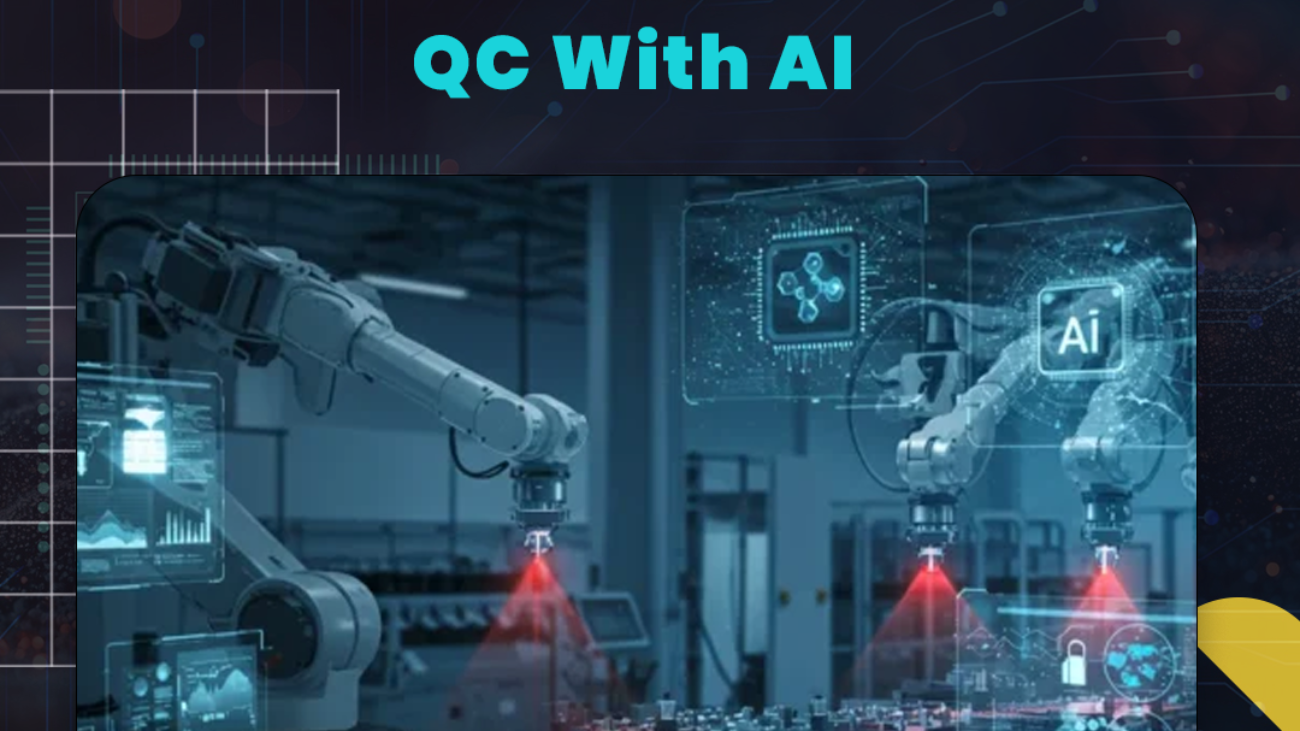
AI-Driven Quality Control - Transforming QC With AI

AI for Quality Control : How AI Is Transforming Manufacturing

Manufacturers today face a growing challenge: maintaining flawless quality while keeping up with production speed. Traditional inspection methods can no longer meet modern expectations for precision, consistency, and scale.
This is where AI-driven quality control steps in. By combining machine learning, computer vision, and real-time analytics, it transforms quality assurance from reactive inspection into proactive intelligence.

👉In this guide, you’ll learn what AI-driven quality control is, how it works, its real-world applications, and how manufacturers can implement it effectively to achieve higher standards of performance and reliability.

Key Takeaways

Proactive Intelligence:

AI-driven quality control uses a combination of computer vision and machine learning to detect microscopic defects with 95–99% accuracy at full production speed, transforming the inspection process from reactive sorting to proactive prevention.

Proven business impact:

Real-world implementations across the automotive, electronics and food industries have demonstrated a 40% reduction in waste and inspection cycles that are 25% faster. This delivers a measurable return on investment (ROI) by preventing defects rather than just identifying them.

What Is AI-Driven Quality Control?

AI-driven quality control refers to the use of artificial intelligence systems, especially computer vision and machine learning to automatically detect defects, optimize production, and ensure consistent product quality.
Unlike rule-based systems or manual checks, AI learns patterns from data. It doesn’t just look for obvious flaws; it understands the complex relationships between process parameters, materials, and output quality.

This evolution is closely connected to broader advancements in ai for quality assurance, where intelligent systems continuously improve inspection accuracy and operational consistency.

✅In today’s competitive market, this technology has become essential for achieving zero-defect production and reducing waste, rework, and downtime.

Next-Level Quality Control Starts Here

Let AI inspect, analyze, and optimize – faster and smarter than ever.

How AI Quality Control Works

AI quality control uses machine learning and computer vision to automate inspections. This process involves training algorithms to identify defects.

  • Data Collection: High-resolution cameras and other sensors integrated into the production line capture detailed images or data from each product. High-quality data is essential because the effectiveness of the AI system depends on the quality of the data on which it was trained. This data must include examples of both good and bad products.
  • Machine Learning-Based Analysis: The AI uses trained algorithms to analyze collected data and identify specific features, patterns, and anomalies. It can detect issues such as scratches, cracks, or incorrect assembly by comparing the product to an ideal version.
  • Real-Time Defect Detection: AI systems can identify defects in products as they move along the assembly line, allowing for the immediate flagging or removal of faulty items and improving efficiency.
  • Predictive Quality: Through data analysis over time, AI can predict where and when quality issues are likely to occur, enabling preemptive adjustments to the production process.
  • Internal Defect Inspection: AI can also detect internal flaws that are not visible from the outside by integrating with other technologies, such as X-rays or ultrasonic sensors.

Steps to Implement AI Driven Quality Control effectively 

1. Define Quality Goals: Set clear standards and measurable targets such as defect rate, precision, and recall. Defining “quality” helps the AI system align with operational objectives and customer expectations.
2. Collect and Prepare Data: Gather visual or sensor-based data from production lines, then clean and label it carefully. Balanced, accurate datasets are critical for building reliable models.
3. Train and Validate the Model: Machine learning algorithms learn from examples of both flawless and defective products. Validation ensures the model can detect defects accurately without excessive false alerts.
4. Integrate into Production: Deploy the AI system within existing MES or SCADA platforms to monitor production in real time, triggering automatic actions or alerts when defects appear.
5. Monitor and Improve: Continuous feedback loops allow the AI to evolve. Performance is tracked using KPIs like accuracy, false detection rates, and system uptime. Retraining with fresh data keeps the model sharp as conditions change.

Read Also : Machine Learning in Quality Control – Smarter Inspections

Applications of AI in Quality Control

AI is transforming quality control by helping manufacturers automate inspections, detect defects faster, and make data-driven decisions throughout production. By combining computer vision, machine learning, and real-time data analysis, AI quality control systems improve consistency, reduce waste, and support continuous process improvement across different manufacturing environments.


Automated Visual Inspection

AI-powered vision systems analyze product images captured by industrial cameras to detect defects such as scratches, cracks, missing components, surface variations, and assembly errors. This enables manufacturers to perform faster and more consistent inspections compared with manual quality checks.

Defect Detection and Classification

Machine learning models identify and classify manufacturing defects by learning from production images and historical quality data. AI systems can detect complex defect patterns and automatically categorize issues based on type, severity, and location.

Lorem ipsum dolor sit amet, consectetur adipiscing elit. Ut elit tellus, luctus nec ullamcorper mattis, pulvinar dapibus leo.

Predictive Quality Monitoring

AI analyzes production data, sensor information, and process conditions to identify factors that may lead to quality problems. This allows manufacturers to correct process issues before defects occur and improve overall production stability.

Real-Time Production Quality Monitoring

AI quality control systems continuously monitor production lines and provide immediate feedback when quality deviations occur. This helps manufacturers reduce response time, prevent defective products from moving forward, and maintain consistent output quality.

Lorem ipsum dolor sit amet, consectetur adipiscing elit. Ut elit tellus, luctus nec ullamcorper mattis, pulvinar dapibus leo.

Dimensional and Assembly Inspection

Computer vision and AI models verify product dimensions, component placement, and assembly accuracy. This application is widely used in industries where precision and consistency are critical, such as automotive, electronics, and industrial equipment manufacturing.

Case Studies: Successful Cases of AI Applications in Quality Control

Artificial intelligence is reshaping quality control across industries by combining computer vision, machine learning, and predictive analytics to boost accuracy, efficiency, and reliability.

Automotive Industry

Manufacturers such as BMW, Toyota, and Nissan use AI-driven inspection systems to detect dents, scratches, and assembly flaws in real time. BMW’s adaptive computer vision reduces false positives, while Toyota’s AI-assisted robotics have cut defects by nearly 30%. Nissan’s systems detect micro-imperfections invisible to the human eye, improving quality and reducing recalls.

Electronics and Semiconductors

Intel and Samsung employ AI inspection to detect microscopic defects during chip production. Intel’s early anomaly detection saves millions each year, while Samsung’s predictive monitoring improves yield and consistency.

Food and Beverage

Nestlé and several major producers rely on AI-powered systems to ensure food safety and consistency. Visual inspection tools remove contaminants, monitor fill levels, and prevent defective products from reaching customers.

Benefits and Limitations of AI Quality Control

Key Advantages

  • Real-time accuracy: Detects even microscopic defects with consistent precision.
  • Waste reduction: Early detection prevents rework and scrap.
  • Predictive optimization: AI predicts process drifts before defects occur.
  • Consistency and scalability: Quality standards remain stable across all production lines.
  • Proven ROI: Manufacturers report up to 40% less waste and 25% faster inspection cycles.

Challenges and Constraints

  • Data requirements: Large, high-quality datasets are essential for effective training.
  • Integration complexity: Connecting AI to legacy systems can require custom interfaces.
  • Human oversight: Operators must validate results and address edge cases.
  • Model maintenance: AI systems must be retrained periodically to prevent performance drift.

Technologies Powering AI-Driven Quality Control

AI-driven quality control integrates several core technologies that make inspection faster, smarter, and more consistent:

  • Computer Vision: Uses deep learning models such as CNNs to analyze images from industrial cameras, detecting dents, scratches, or color defects in real time.
  • Machine Learning and Predictive Analytics: Learns from production data to forecast potential issues, enabling preventive adjustments and smarter maintenance.
  • Industrial Internet of Things (IIoT): Connects sensors and cameras that monitor key parameters like temperature, vibration, and pressure continuously.
  • Robotics and Automation: Transforms AI insights into action through robotic arms and automated sorting systems, ensuring consistent quality and reduced human error.

Read Also : Machine Vision for Defect Detection

How to Get Started with AI-Driven Quality Control

Implementing AI inspection requires a strategic, step-by-step approach:

  1. Assess current inspection processes to identify bottlenecks.
  2. Collect and label defect data from your production line.
  3. Choose AI tools such as AIxEye for inspection and AIxCam for testing.
  4. Integrate the system with existing MES or SCADA platforms.
  5. Monitor and refine through regular feedback and retraining.

Final Thoughts

AI has redefined what quality control means for modern manufacturing. It transforms inspection from a time-consuming manual process into an intelligent, data-driven function that strengthens efficiency, accuracy, and profitability.

As someone working at the intersection of AI and industrial production, I’ve seen how data-driven quality assurance doesn’t just find defects it prevents them. The factories that embrace AI today are building the foundations of smarter, safer, and more sustainable manufacturing for the future.

Note: Some graphics and visuals in this post were produced using AI-generated content.

Ai-Innovate uses only high-quality sources, including peer-reviewed studies, to support the facts within our articles.

  1. Elisa IndustrIQ. (2023). AI-driven quality control in manufacturing. Elisa IndustrIQ Knowledge Center.
    https://www.elisaindustriq.com/knowledge-center/blog/ai-driven-quality-control-in-manufacturing
  2. (n.d.). AI in manufacturing: Enhancing production and quality. IBM Think Blog.
    https://www.ibm.com/think/topics/ai-in-manufacturing
  3. (2024). The impact of AI on quality control in manufacturing. Matroid Blog.
    https://www.matroid.com/the-impact-of-ai-on-quality-control-in-manufacturing/
  4. Proaction International. (2024). AI in manufacturing solutions. Proaction International Blog.
    https://blog.proactioninternational.com/en/ai-in-manufacturing-solutions/
  5. Quality Magazine. (2023). The role of artificial intelligence (AI) and machine learning in modern quality management. Quality Magazine.
    https://www.qualitymag.com/articles/98259-the-role-of-artificial-intelligence-ai-machine-learning-in-modern-quality-management
  6. (2025). Artificial Intelligence in Quality Control Systems: A Cross-Industry Analysis of Applications, Benefits, and Implementation Frameworks. ResearchGate.
    https://www.researchgate.net/publication/386595102_Artificial_Intelligence_in_Quality_Control_Systems_A_Cross-Industry_Analysis_of_Applications_Benefits_and_Implementation_Frameworks
  7. RevGen Partners. (2024). AI-powered quality control in manufacturing: A game changer. RevGen Partners Insights.
    https://www.revgenpartners.com/insight-posts/ai-powered-quality-control-in-manufacturing-a-game-changer/
  8. (2025). Artificial intelligence for quality assurance and process optimization in industrial production. Electronic Markets.
    https://link.springer.com/article/10.1007/s12525-025-00766-y
  9. (2024). AI use cases for quality control in manufacturing. TechTarget SearchERP.
    https://www.techtarget.com/searcherp/tip/AI-use-cases-for-quality-control-in-manufacturing
  10. (2024). AI in quality assurance: Improving consistency and efficiency. Zendesk Blog.
    https://www.zendesk.co.uk/blog/ai-in-quality-assurance/

Confused About Where to Start with AI?

Our specialists help you identify the right AI approach based on your process, data, and goals.

FAQ

What is AI-driven quality control?

AI-driven quality control uses machine learning and computer vision to automatically inspect products, detect defects, and ensure quality standards. It analyzes data from high-resolution cameras and sensors in real time, performing consistent and objective inspections that improve accuracy and reduce human error.

AI-driven QC follows a data-driven process:

  1. Image capture: Cameras collect detailed visuals of products on the line.
  2. Data analysis: AI models, such as CNNs, process these images with sensor data.
  3. Defect detection: The system identifies anomalies like scratches, misalignments, or missing parts.
  4. Action: Alerts are sent, or automatic adjustments are made to maintain production quality.

AI improves inspection by enabling 100% coverage instead of limited sampling, increasing detection speed and precision, and reducing fatigue-based errors. It can also predict defects before they occur, enabling preventive action and reducing waste, rework, and recall costs.

No. AI complements human expertise by automating repetitive inspection tasks, allowing quality engineers to focus on root cause analysis, continuous improvement, and higher-level decision-making.

AI quality control is the use of artificial intelligence technologies, including machine learning, deep learning, and computer vision, to automatically inspect products, identify defects, analyze production data, and improve manufacturing quality decisions.

Unlike traditional inspection methods that depend mainly on manual checks or fixed rule-based systems, AI quality control systems can learn from production data and recognize complex defect patterns that are difficult to define manually.

Manufacturers use AI quality control to perform faster inspections, improve defect detection accuracy, reduce waste, and maintain consistent product quality across high-volume production environments.
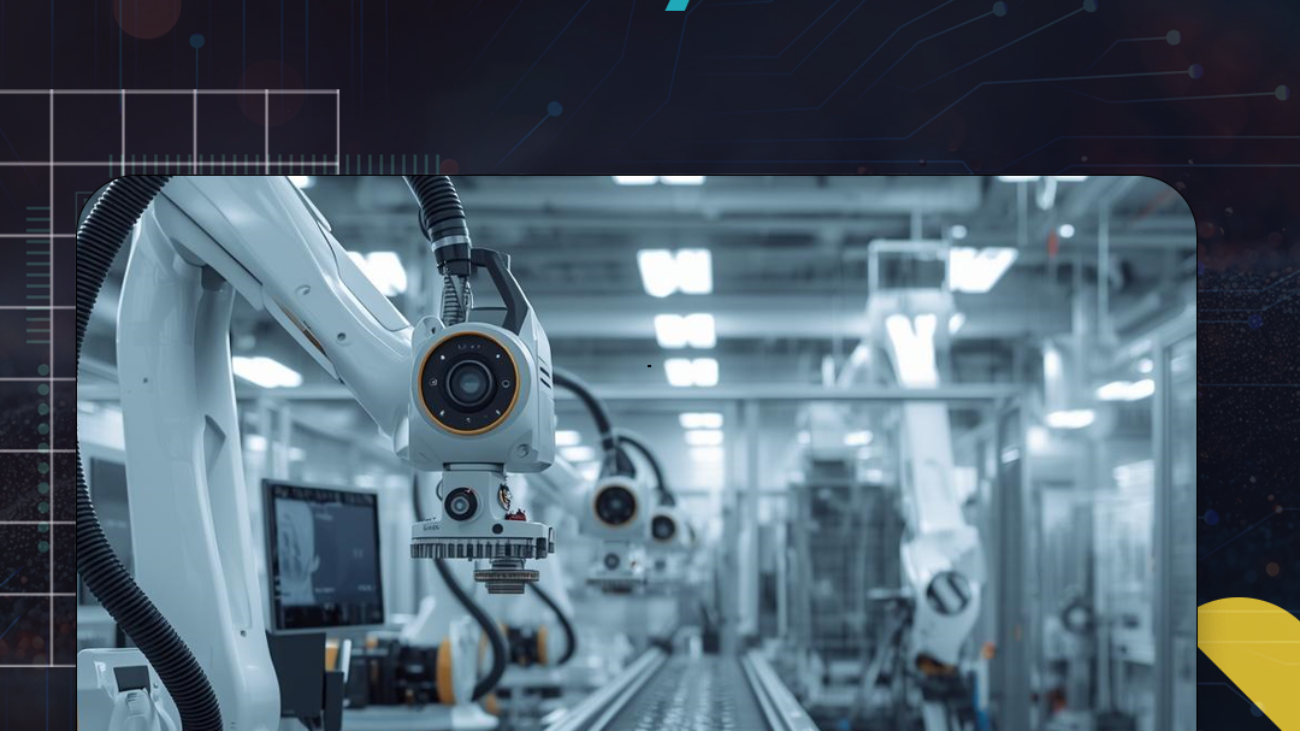
AI for Quality Assurance

AI for Quality Assurance in Manufacturing: A Complete Guide

A single defect that escapes the line can cost a manufacturer far more than the part itself. It can mean a recall, a lost contract, or a customer who never orders again. For decades, catching those defects fell to human inspectors checking samples by eye, a method that was honest, skilled, and fundamentally unable to keep pace with modern production speeds. Even the best inspectors catch only 70 to 80 percent of defects, because fatigue, judgment, and the sheer volume of output make 100 percent manual coverage impossible.

That gap is exactly where AI for quality assurance in manufacturing has changed the rules. Instead of relying on human judgment and fixed inspection rules, manufacturers can now use systems that learn from production data, see every product through industrial cameras, and flag defects in real time without ever tiring. The stakes are high because quality is now a competitive battleground: rising costs, thinner margins, and customers who expect zero defects leave little room for the limitations of manual checking.

This guide explains what AI quality assurance in manufacturing actually is, how it works, where it delivers value, and how to deploy it in a real production environment, drawn from hands-on experience building and integrating these systems on the factory floor.

AI in Quality Assurance Consistency You Can Trust.

AI-powered quality assurance systems monitor production, detect defects, and validate processes in real time. Discover how intelligent QA improves reliability, reduces waste, and delivers consistent excellence across modern manufacturing operations.

What Is AI for Quality Assurance in Manufacturing?

AI for quality assurance in manufacturing is the use of machine learning and computer vision to inspect products, detect defects, and validate processes automatically and in real time. Rather than following fixed rules, these systems learn what good output looks like from production data, then flag any deviation continuously, at full line speed, without fatigue. The result is a shift from periodic, reactive sampling to always-on, intelligent quality control.

The change runs deeper than automation. Traditional inspection asks, “Did this sample pass?” AI-driven quality assurance asks, “Is this entire process behaving the way it should, and where is it about to drift?” That is the difference between checking quality and managing it.

Key Takeaways

AI makes quality assurance a living system that learns, adapts, and protects product integrity across every stage of modern manufacturing.

When it's done with good leadership and clear steps, smart inspection can lead to new ideas, consistency, and trust in how things are done.

How Does AI Quality Assurance Work?

Three technologies do the work, and they are far stronger together than apart.

Machine learning

Machine learning involves studying historical production data until the machine can distinguish between normal, high-quality output and subtle patterns that indicate a defect or an unstable process.

Computer vision

Computer vision gives the system its eyes. Through industrial cameras, it instantly reads surfaces, shapes, colors, and textures, catching flaws that humans would miss at production speed. This is the same principle behind modern machine vision for defect detection.

Advanced analytics

Advanced analytics links visual data to sensor and process readings. This reveals hidden trends and early warning signs before defects occur. It also enables real-time analysis of defects across the line.

Together, these turn quality assurance into a living process driven by real production data instead of a static checklist.

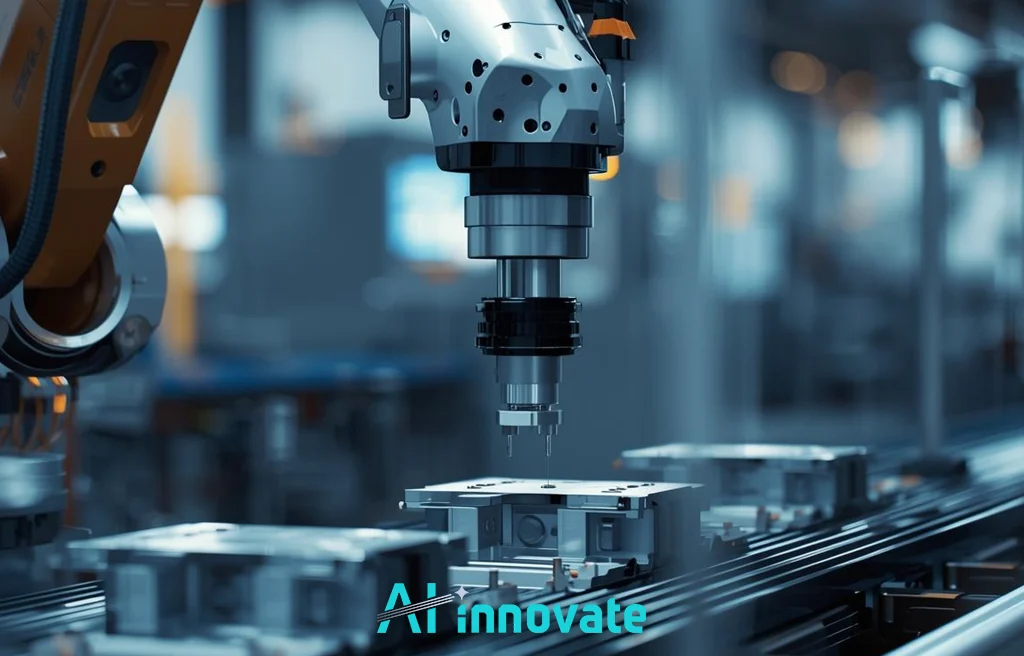
Robotic arm performing precision assembly on metal components along an automated production line inside a modern manufacturing facility, with industrial machinery and blurred factory background.

Core Technologies Behind AI Quality Assurance Systems

AI quality assurance systems combine multiple technologies to automate inspections, analyze production data, and improve manufacturing quality. Each technology contributes to faster defect detection, greater inspection accuracy, and better process visibility, helping manufacturers achieve more consistent quality while reducing waste, rework, and production costs.

Core Technology Role in AI Quality Assurance Manufacturing Benefit
Machine Learning Analyzes historical and real-time production data to recognize defect patterns and continuously improve inspection accuracy. Reduces false positives while increasing defect detection reliability.
Deep Learning Processes complex visual information to identify subtle defects that conventional inspection systems may overlook. Improves inspection accuracy for complex products and surface defects.
Computer Vision Interprets production images to detect defects, verify dimensions, and inspect product quality automatically. Enables fast, accurate, and scalable visual inspection.
Machine Vision Captures high-quality images using industrial cameras, lenses, lighting systems, and optical sensors. Provides consistent image quality for reliable AI inspection.
Industrial IoT (IIoT) Collects operational data from connected equipment, sensors, and production systems for continuous monitoring. Improves process visibility and supports real-time quality decisions.
Edge AI Runs AI models directly on industrial devices located near the production line for immediate analysis. Delivers real-time inspection with minimal latency.
Predictive Analytics Evaluates quality trends and production data to identify process deviations before defects occur. Helps reduce scrap, rework, and unexpected production disruptions.
Digital Twins Creates virtual models of manufacturing processes to simulate quality improvements before implementation. Supports data-driven optimization with lower operational risk.

What Can AI Quality Assurance Do That Manual Inspection Cannot?

Modern AI quality assurance platforms have a few core capabilities that set them apart from traditional inspection.

Automated visual inspection

Computer vision models scan images and video for surface defects, missing parts, and assembly errors, and they perform identically regardless of lighting or line speed, where older methods lost accuracy the moment conditions changed. This is the engine behind automated visual inspection systems.

Real-time decision support

Because inspection data is processed the instant it is captured, the system can act immediately, rejecting a faulty unit, adjusting a machine parameter, or alerting an operator.

Predictive quality analytics

By reading long-term trends, AI forecasts when a process is drifting toward out-of-spec, enabling preventive intervention instead of after-the-fact scrap.

Scalable deployment

Once a model is validated, it runs across many lines and facilities, holding quality steady whether you operate a single line or a multi-plant operation.

How Does AI Quality Assurance Compare to Manual Inspection?

The core difference is coverage and consistency: AI inspects every unit at line speed with steady accuracy, while manual inspection samples only a portion and varies between people and shifts.

Factor Manual Inspection AI Quality Assurance
⊕
Coverage
◔
Samples a subset of production output
✓
Inspects 100 percent of production at line speed
✓
Accuracy
◔
Around 70 to 80 percent, varies by operator
✓
Consistent 95 to 99 percent detection rate
↻
Consistency
◔
Affected by fatigue, judgment, and shift changes
✓
Identical performance across every shift
⬡
Data
◔
Little or no inspection record
✓
Full traceability with images and classification
⚡
Response
◔
Defects found after the fact
✓
Flagged and acted on instantly

The practical payoff is not just catching more defects. It is catching them earlier, recording why they happened, and preventing the next batch from repeating the mistake.

Where Is AI Quality Assurance Used in Manufacturing?

AI-driven quality assurance adapts to very different materials and environments while improving accuracy and consistency in each.

  • Automotive: Vision systems inspect weld seams, painted surfaces, and assembled components for structural and cosmetic defects in real time.
  • Electronics: Intelligent inspection verifies solder joints, component placement, and circuit-board integrity with high precision.
  • Metal and steel: AI handles metal defect detection, identifying cracks, corrosion, and rolling imperfections during production.
  • Textiles and fabric: AI analyzes weaving patterns and textures to catch stains, holes, and alignment issues at high speed, the focus of fabric defect detection using image processing.

Across all of them, the underlying discipline is the same: reliable defect detection in manufacturing built on consistent data and well-trained models.

How Do You Implement AI Quality Assurance in Manufacturing?

Successful adoption is structured, not all at once.

  1. Define your quality priorities. Identify the defects that cost you the most in money, delays, or compliance risk, and target those first.
  2. Prepare reliable data and imaging. Install stable cameras and sensors, and make sure images and data are clear, consistent, and well-organized, since AI performs only as well as its inputs.
  3. Start with a focused pilot. Choose one line or inspection point with recurring problems, prove value there, then refine before scaling.
  4. Choose the right computing setup. Use edge devices for fast, on-floor inspection and cloud platforms for training and long-term trend analysis. Combining both usually delivers the best results.
  5. Integrate with existing systems. Connect AI to your manufacturing, quality, and reporting tools so inspection results actually inform decisions across teams.
  6. Train and support your teams. Teach operators, engineers, and quality managers how the system works, how to review its output, and when human judgment takes over. Oversight remains essential.

Key Manufacturing Metrics Improved by AI Quality Assurance

AI quality assurance helps manufacturers improve the performance indicators that matter most. By combining automated inspection, machine learning, and real-time production monitoring, AI reduces quality variation and provides measurable improvements across manufacturing operations

First Pass Yield (FPY)

AI identifies process deviations before defects spread through production, allowing more products to pass inspection the first time.

Higher production efficiency

Defect Detection Rate

Machine vision and AI inspect every product with greater consistency than manual inspection, improving defect detection accuracy.

Better product quality

Scrap and Rework

Early defect detection reduces material waste and minimizes costly rework by correcting quality issues during production.

Lower manufacturing costs

Overall Equipment Effectiveness (OEE)

Continuous quality monitoring reduces production interruptions and helps equipment operate more efficiently.

Improved equipment utilization

Production Yield

Stable production processes and consistent quality increase the percentage of products that meet specifications.

More saleable products

Customer Satisfaction

Delivering consistent product quality reduces warranty claims, returns, and customer complaints while strengthening brand trust.

Greater customer confidence

What Are the Benefits and Challenges?

Benefits:

  • More reliable detection of even subtle flaws that slip past manual checks
  • Lower material waste and rework, because defects are caught early
  • Faster root-cause identification through structured defect analysis techniques
  • Higher customer trust and a stronger brand reputation built on consistent quality

Challenges:

  • Upfront investment in hardware, software, and training before returns appear
  • Compatibility with legacy equipment, which may need added sensors or interfaces
  • Limited access to high-quality labeled data, which takes time to build

None of these is a dealbreaker. Each is a planning item, and the manufacturers who succeed treat them as such from the start.

How AI-innovate Powers Quality Assurance in Manufacturing

AI for quality assurance only creates value when it is deployed with the right hardware, data, and decision-making behind it. AI-innovate builds a connected product ecosystem designed for exactly that, helping manufacturers move from isolated inspection stations to scalable, production-floor quality control.

  • AIxEye delivers AI-based visual inspection and defect detection, enabling consistent, real-time quality decisions that reduce scrap, rework, and downstream cost. It anchors our approach to AI-driven quality control.
  • AIxCam handles data generation, simulation, and validation, lowering model training cost and reducing dependence on large volumes of rare defect samples.
  • AIxCore powers edge deployment and system integration, allowing inspection to connect smoothly with existing cameras, production lines, and manufacturing software.
  • AIxAm detects surface and geometry defects on 3D objects by analyzing multi-view images and depth data in real time.


Together, these turn inspection investment into measurable, long-term value across quality, efficiency, and operational stability, whether you are evaluating the financial case for automated inspection or scaling existing systems across plants.

Final Thoughts

AI for quality assurance in manufacturing replaces slow, sampling-based inspection with continuous, learning systems that catch defects in real time, hold accuracy steady across every shift, and turn quality data into better decisions across the whole operation.

In my experience working with industrial teams, the real advantage is not just higher inspection accuracy. It is the confidence that comes from seeing your process clearly for the first time. Once hidden patterns become visible, improvement stops being guesswork and starts being deliberate, and that shift from reacting to defects to preventing them is what separates manufacturers who simply pass inspection from those who build lasting quality into everything they make.

Ai-Innovate uses only high-quality sources, including peer-reviewed studies, to support the facts within our articles.

  1. Cumbajin, E., Rodrigues, N., Costa, P., Miragaia, R., Frazão, L., Costa, N., Fernández-Caballero, A., Carneiro, J., Buruberri, L. H., & Pereira, A. (2023). A Systematic Review on Deep Learning with CNNs Applied to Surface Defect Detection. Journal of Imaging, 9(10), 193. https://www.mdpi.com/2313-433X/9/10/193
  2. A systematic review of deep learning approaches for surface defect detection in industrial applications. (2023). Engineering Applications of Artificial Intelligence, 130. https://www.sciencedirect.com/science/article/abs/pii/S0952197623019012
  3. Patrashko, D. Y., & Gurau, V. (2026). Machine Learning-Powered Vision for Robotic Inspection in Manufacturing: A Review. Sensors, 26(3), 788. https://www.ncbi.nlm.nih.gov/pmc/articles/PMC12899094/
  4. Sharp, M., Ak, R., & Hedberg, T. (2018). A Survey of the Advancing Use and Development of Machine Learning in Smart Manufacturing. National Institute of Standards and Technology (NIST). https://www.nist.gov/publications/survey-advancing-use-and-development-machine-learning-smart-manufacturing
  5. National Institute of Standards and Technology. Augmented Intelligence for Manufacturing Systems (AIMS). NIST. https://www.nist.gov/programs-projects/augmented-intelligence-manufacturing-systems-aims
  6. International Organization for Standardization. (2015). ISO 9001:2015 — Quality management systems: Requirements. ISO. https://www.iso.org/standard/62085.html

FAQ

What is AI in quality assurance?

AI in quality assurance is the use of computer vision and machine learning to inspect products, detect defects, and validate processes automatically in real time. Unlike fixed-rule inspection, these systems learn what good output looks like from production data and flag deviations continuously, without fatigue.

AI for quality assurance in manufacturing is the use of computer vision and machine learning to inspect products, detect defects, and validate processes automatically in real time. These systems learn what good output looks like from production data and flag deviations continuously, at full line speed, without fatigue.

AI quality inspection typically achieves 95 to 99 percent defect detection, while skilled manual inspection catches only 70 to 80 percent due to fatigue, inconsistent judgment, and the impossibility of checking every unit at line speed. AI also holds that accuracy steady across every shift and lighting condition.

No, AI augments inspectors rather than replacing them. It handles repetitive, high-speed checking, freeing engineers to interpret defect trends, validate edge cases, and make the strategic quality decisions that require human judgment and domain knowledge.

Most pilot systems go live within three to six months, depending on data availability and integration needs. Starting with a single high-defect line lets manufacturers prove value quickly before scaling across the facility.

AI quality assurance is widely used in automotive, electronics, metal and steel, food production, and textile manufacturing. Applications range from inspecting weld seams and solder joints to detecting surface cracks and fabric defects at full production speed.

Yes, AI inspection integrates with most existing lines, though older machines may need added sensors or interfaces to connect. Integration with manufacturing, quality, and reporting systems ensures inspection results inform decisions across teams.

Yes, AI inspection can integrate with most existing lines, though older machines may need added sensors or interfaces to connect. Integration with your manufacturing, quality, and reporting systems ensures inspection results actually inform decisions.

Traditional machine vision follows fixed, pre-programmed rules and struggles when conditions change, while AI inspection learns from data and adapts to new defects, materials, and environments. This makes AI more flexible and more reliable on complex or variable products.

Yes. Modern AI quality assurance platforms integrate with Manufacturing Execution Systems (MES), Enterprise Resource Planning (ERP) software, SCADA systems, programmable logic controllers (PLCs), Industrial IoT devices, and machine vision systems. This enables manufacturers to improve quality management without replacing existing production infrastructure.

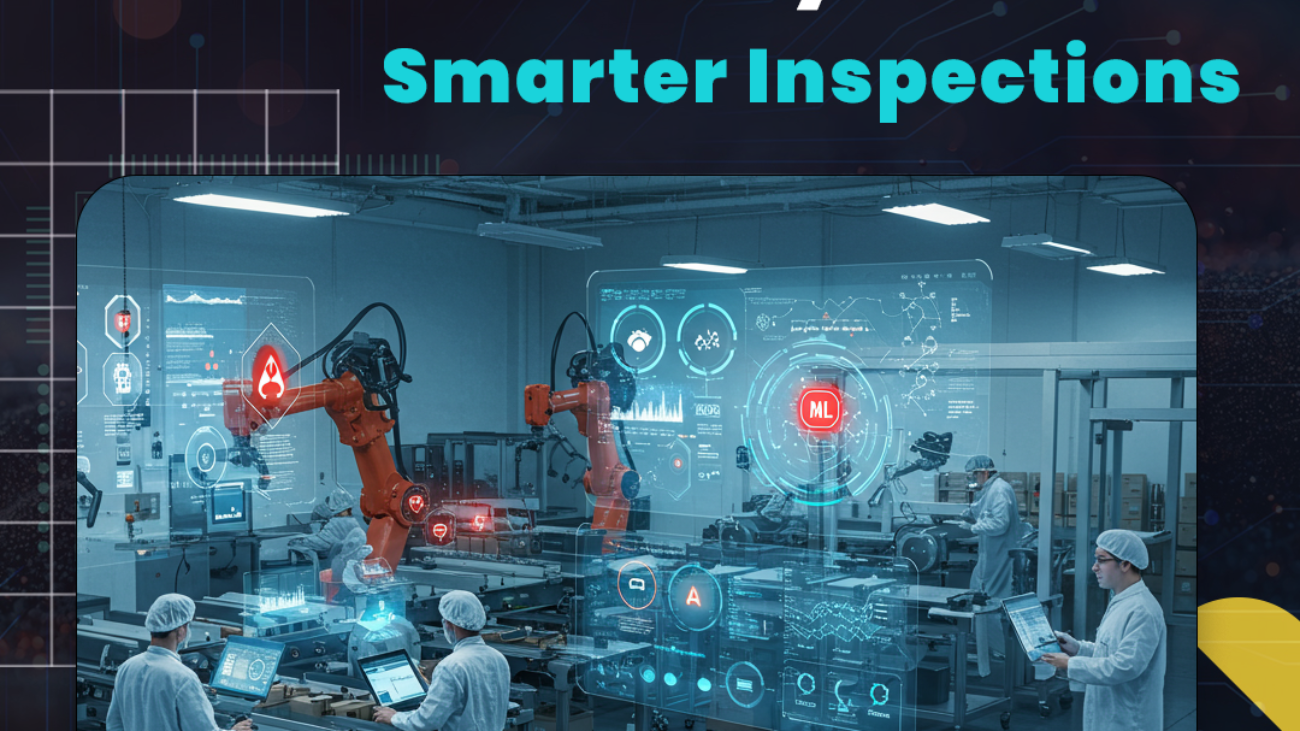
Machine Learning in Quality Control - Smarter Inspections, reallistic

Machine Learning in Quality Control: Modern Solutions

In today’s competitive manufacturing landscape, even the smallest defect can lead to major financial losses. Studies show that product quality issues cost manufacturers billions every year due to recalls, rework, and production downtime. Traditional manual inspection, while valuable, struggles to keep up with modern production speeds and the complexity of materials and assemblies.

Machine learning in quality control is transforming how factories maintain precision and consistency. By combining computer vision, predictive analytics, and real-time data processing, manufacturers can detect defects earlier, optimize their processes, and achieve higher efficiency with lower waste. At AI-innovate, we build practical, AI-driven systems like AIxEye and AIxCam that help manufacturers achieve intelligent, adaptive, and scalable quality control.

Upgrade Your Quality Control with Machine Learning

From data to decisions – let ML handle the complexity.

What Is Machine Learning in Quality Control?

Machine learning in quality control refers to the use of algorithms that learn from production data to detect, classify, and prevent defects automatically. Unlike rule-based systems that follow static parameters, machine learning continuously adapts to new patterns in data, improving accuracy over time.

These models analyze images, sensor readings, and process parameters to understand what defines a “good” product versus a defective one. They can identify subtle variations, predict potential failures, and even recommend process adjustments. The result is a data-driven, proactive approach that ensures consistent quality, minimizes recalls, and optimizes production efficiency.

✅So in short : In quality control, machine learning uses algorithms that learn from production data to automatically detect, classify and prevent defects.

Key Takeaways

From Reactive to Predictive Quality Control:

Machine learning is transforming the way we approach quality control. Instead of identifying defects after they have occurred, intelligent systems now predict and prevent quality issues before they happen. These systems combine computer vision, deep learning and real-time analytics to deliver a level of precision and speed that traditional methods cannot achieve.

Continuous learning drives manufacturing excellence:

Machine learning (ML) systems can improve autonomously by analysing production data. This reduces waste through early detection and ensures consistent quality across all output. ML systems can also enable zero-defect manufacturing in industries such as automotive, electronics and aerospace, where precision and quality are critical.

How Quality Control Evolved: From Human Eyes to Smart Machines

Quality control has come a long way since the days when the fate of every finished product rested in the hands of a single craftsman. Back then, quality depended entirely on human skill and attention. Production speed and individual discernment set the limits. As manufacturing scaled up, factories introduced manual spot checks and post-production inspections. However, these methods were slow and reactive.

The advent of Statistical Quality Control (SQC) was a turning point. Tools such as X-bar and R control charts and acceptance sampling plans allowed manufacturers to monitor process stability and identify “out-of-control” conditions before they escalated into serious issues. However, SQC was largely retrospective; problems were flagged after they appeared, leaving manufacturers to trace defects back through batches a painstaking and time-consuming task.

Today’s production environment, characterized by high-speed lines, interconnected machines, and massive streams of data, has outgrown traditional statistical methods. Detecting subtle, complex defects in real time demands a smarter, predictive approach. Enter machine learning in quality control, a dynamic, data-driven solution capable of learning from vast, high-dimensional datasets, anticipating defects, and advancing quality assurance.

Quality Evolution

How Machine Learning Works in Quality Control

  1. Data Collection: Cameras and sensors gather images, temperature, vibration, and other data from the production line.
  2. Model Training: Deep learning models learn to identify normal patterns and flag anomalies based on this data.
  3. Real-Time Analysis: Once deployed, the model analyzes every item in milliseconds, spotting defects as they occur.
  4. Continuous Learning: Feedback from operators and new production data refines the system’s performance.
  5. Decision Output: The AI system integrates with factory control systems to automate sorting, flagging, or line adjustments.

This step-by-step process ensures manufacturers gain a real-time, adaptive inspection system that continuously improves as production evolves.

How Machine Learning Works in Quality

Key Applications of Machine Learning in Quality Control

Defect Detection Using Computer Vision

Machine learning-based computer vision systems analyze high-resolution images to identify surface flaws, misalignments, or texture variations. These models detect issues invisible to the human eye, ensuring precision across fast-moving production lines.

Predictive Maintenance for Quality Assurance

ML algorithms monitor machine performance and identify early signs of wear or malfunction, preventing quality drift and unplanned downtime.

Real-Time Process Optimization

By analyzing sensor data on variables like temperature, speed, and pressure, ML systems automatically fine-tune production parameters to maintain optimal product quality.

Automated Root Cause Analysis

When a defect occurs, machine learning tools trace its origin by correlating data from across the production process. This reduces downtime and prevents similar issues in future batches.

Implementation Journey Stumbles

Successfully deploying ML solutions in industrial quality control requires careful planning and navigating several potential challenges that extend beyond algorithmic development itself.

Data Pipeline Challenges

Gathering, annotating, and managing the massive, diverse datasets needed to train accurate models for tasks like anomaly detection or defect classification presents a significant technical and logistical hurdle. Ensuring data consistency and quality from heterogeneous industrial sensors is complex.

System Integration

Integrating modern ML software platforms with existing, potentially aged or proprietary, industrial automation hardware (sensors, PLCs, robotic arms) and enterprise systems (MES, ERP) demands deep technical understanding of communication protocols and requires careful orchestration to ensure smooth data flow and coordinated operations.

Ongoing Model Validation and Retraining

Deployed ML models require continuous monitoring and periodic retraining. Factors like component wear, slight shifts in raw material properties, or process modifications can lead to ‘model drift,’ degrading performance over time. Establishing processes for regular validation against new data and implementing retraining strategies is essential to maintain accuracy.

Benefits and Challenges

Benefits of Machine Learning in Quality Control

  • Increased defect detection accuracy
  • Real-time monitoring and data visualization
  • Enhanced efficiency and reduced downtime
  • Predictive insights for process improvement
  • Consistent, objective inspection results

Challenges and Considerations

  • Data Availability and Quality: Machine learning models require large, well-labeled datasets to perform effectively.
  • Integration with Legacy Systems: Many older production environments need system upgrades for AI compatibility.
  • Continuous Training and Adaptation: Models must be retrained as products, processes, or materials evolve to maintain accuracy and relevance.

Empowering Development Trajectories

For engineering teams tasked with building and refining sophisticated vision-based inspection systems leveraging machine learning, the iterative development process is often encumbered by the necessity of accessing and configuring physical camera setups representative of varied production environments.

Testing machine vision algorithms and ML models requires capturing diverse images, which, when tied to physical hardware, introduces delays related to equipment procurement, setup time, calibration, and coordination across dispersed development teams.

Specialized software tools offer a potent solution by creating a layer of abstraction. Consider the capabilities of a tool like AI-innovate’s aixcam:

  • It functions as a software-based ‘camera emulator,’ allowing developers to simulate outputs from numerous industrial camera models.
  • Diverse imaging conditions variations in resolution, noise levels, focus, or lighting (e.g., simulating different light sources or reflections) can be reproduced digitally.
  • Developers can test their algorithms and models against synthetic or recorded data simulating realistic conditions without needing the physical camera present.
  • This simulation significantly accelerates the iterative process of tuning models for precision and robustness, facilitating AI for quality assurance development.
  • It bypasses delays and costs associated with physical hardware management, empowering technical teams with increased flexibility and speed in innovation.

Conclusion

Machine learning is reshaping the future of quality control, making inspections smarter, faster, and more consistent. Rather than reacting to problems, manufacturers can now predict and prevent them, thereby achieving operational excellence and cost efficiency.
In my opinion, machine learning’s true value lies in its ability to convert raw production data into actionable insights. Machine learning doesn’t just detect defects; it redefines how manufacturers achieve precision, efficiency, and reliability in every product that leaves the production line.

Note: Some graphics and visuals in this post were produced using AI-generated content.

Ai-Innovate uses only high-quality sources, including peer-reviewed studies, to support the facts within our articles.

  1. ScienceDirect. (2025). Machine Learning Applications for Predictive Quality Control in Manufacturing. Retrieved from sciencedirect.com
  2. Quality Magazine. (2024). The Role of Artificial Intelligence and Machine Learning in Modern Quality Management. Retrieved from qualitymag.com
  3. PubMed Central (PMC). (2023). Applications of Artificial Intelligence in Quality Control Systems: A Review. Retrieved from pmc.ncbi.nlm.nih.gov
  4. MathWorks. (2024). Enhancing Quality Control with Machine Learning and Data Analytics. Retrieved from mathworks.com
  5. SpringerLink. (2024). Advances in Machine Learning for Quality Assurance and Manufacturing Optimization. Retrieved from link.springer.com
  6. ResearchGate. (2018). Machine Learning Techniques for Quality Control in High-Conformance Manufacturing Environments. Retrieved from researchgate.net
  7. SAGE Journals. (2018). Intelligent Quality Inspection Systems Using Machine Learning and Image Analysis. Retrieved from journals.sagepub.com

Confused About Where to Start with AI?

Our specialists help you identify the right AI approach based on your process, data, and goals.

FAQ

What is machine learning in quality control?

 Machine learning in quality control uses algorithms to analyze data from cameras, sensors, and production systems to detect defects automatically. It learns from past data to identify patterns, classify products, and prevent errors in real time, improving consistency and reducing waste.

 The most common technique is deep learning, particularly Convolutional Neural Networks (CNNs). CNNs excel at analyzing images, identifying surface flaws, and classifying defects in manufacturing environments with high precision.

Detects even microscopic defects with high accuracy

  •         Provides real-time inspection and alerts
  •         Reduces scrap, rework, and downtime
  •         Improves consistency across production lines
  •         Enables predictive and data-driven decision-making

 Machine learning is used across multiple sectors, including:

  •         Automotive: Detecting paint, weld, and assembly defects
  •         Electronics: Inspecting PCBs and microchips
  •         Pharmaceuticals: Monitoring packaging and contamination
  •         Food and Beverage: Checking labeling, fill levels, and texture consistency
  •         Aerospace and Metals: Ensuring precision in surface and structural components

 Traditional quality control relies on manual inspection and fixed rules. Machine learning, by contrast, continuously learns from production data. It adapts to new defect types, operates at higher speed and accuracy, and provides predictive insights that allow manufacturers to prevent issues before they occur.

Machine learning models are trained using historical production data, labeled images, sensor readings, and inspection results. During training, the model learns to distinguish between acceptable and defective products. Once validated, it can analyze new production data in real time to improve inspection accuracy and support automated quality control.

Yes. Unsupervised learning and anomaly detection models can identify products that differ from normal manufacturing patterns, even if the specific defect has not been labeled previously. This capability helps manufacturers detect emerging quality issues before they become widespread.

Machine learning improves direct materials quality management by analyzing inspection data, supplier performance, material specifications, and production records to identify quality issues before materials enter the manufacturing process. AI-powered models can detect variations in raw materials, predict material-related defects, monitor supplier consistency, and automate incoming quality inspections. By improving the quality of direct materials, manufacturers can reduce production defects, increase First Pass Yield (FPY), minimize scrap and rework, and ensure more consistent product quality throughout the manufacturing process.