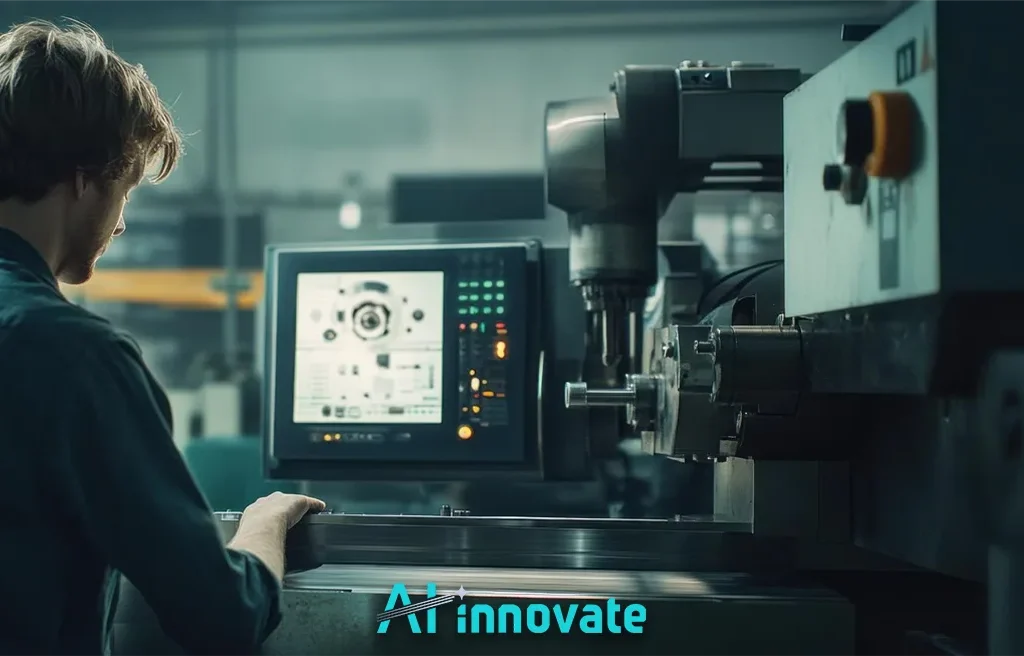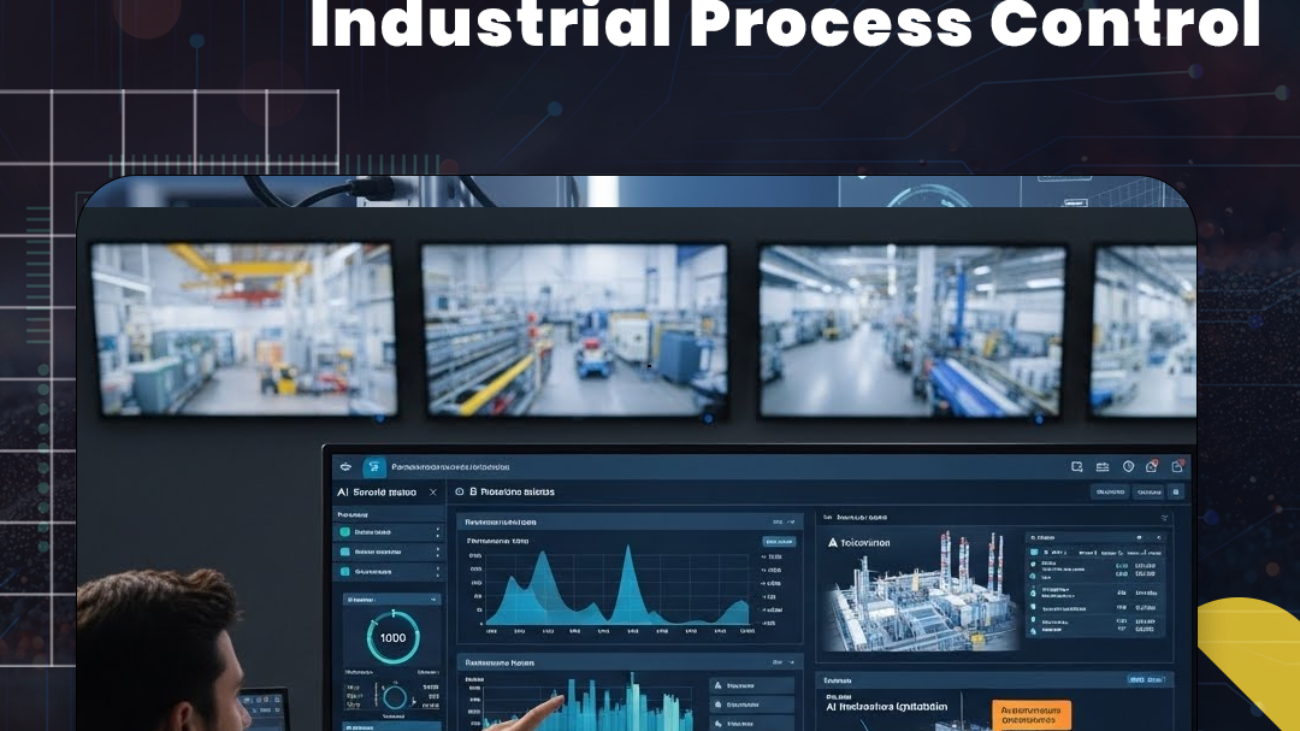
Benefits and Limitations of Industrial Process Control

Benefits and Limitations of Industrial Process Control: a Complete Guide

As a manufacturer, you already know that consistent quality, efficiency, and quick response to the changing world of business is the backbone of your market leadership. The industrial process, as the science and engineering of making industrial operations automatic, stable, safe, and efficient, is naturally very beneficial in the manufacturing world. However,

it’s important to gain deeper insight and understanding to make better-informed decisions about implementing or upgrading the industrial process control systems, as there are limits to it as well. In this guide, we’ll provide that deeper insight into the benefits and limits of industrial process control and an overview of what it is.

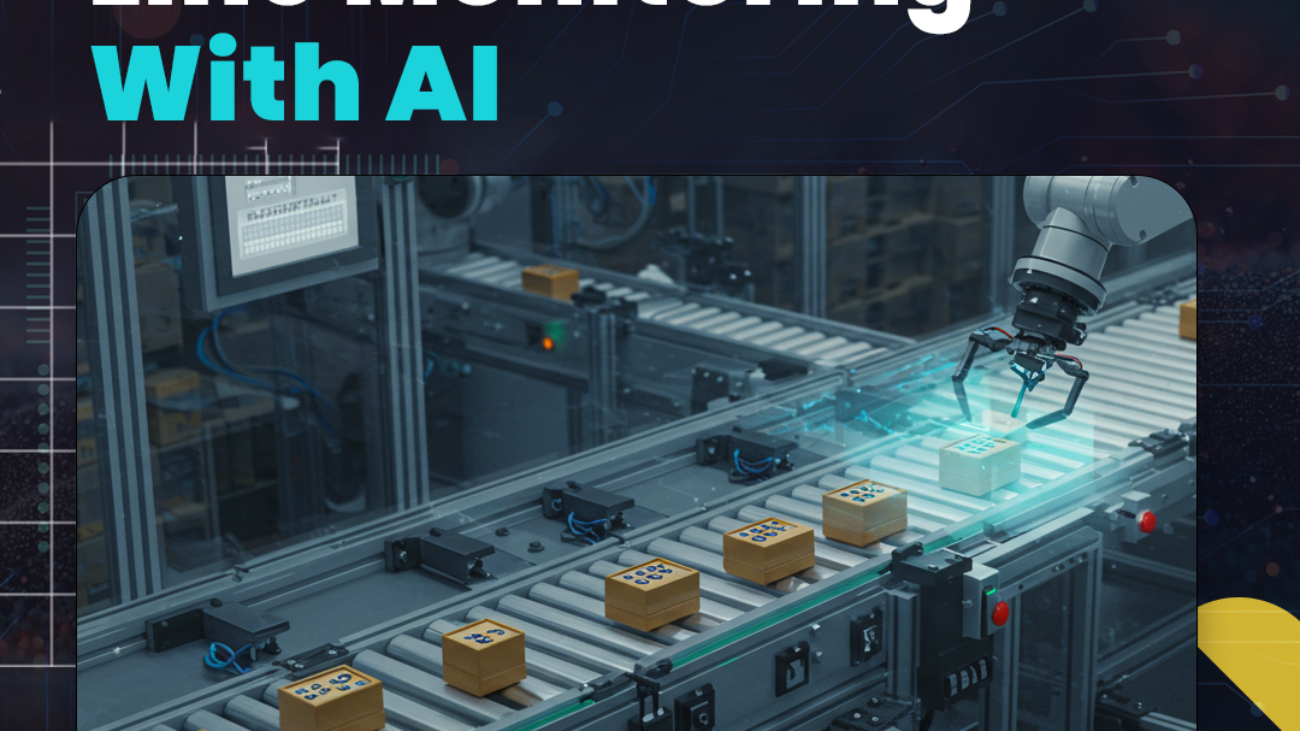
Real-Time Insights with AI Monitoring

Track, detect, and act before downtime hits.

What is Industrial Process Control?

As the name suggests, industrial process control is about monitoring and regulating the variables within industrial processes and operations. Automated systems such as sensors, controllers, and actuators are used to ensure safety, efficiency, and consistency. 

Conditions like temperature, pressure, flow, or chemical composition are continuously measured in industrial process control and compared with desired targets. Immediate adjustments to equipment are made to achieve product stability and keep them within specification.

This automation improves product quality, reduces waste, enhances safety, and enables reliable, round-the-clock operation in industries like manufacturing, energy, chemicals, and food processing.

Benefits of Industrial Process Control

The benefits include, but aren’t limited to:

  • Improved product quality: Automated visual inspection systems monitor and adjust variables as they happen. This reduces human error and helps keep production within tight tolerances.
  • Greater operational efficiency: When equipment works well and responds quickly to changes in demand or raw material conditions, production becomes more predictable and cost effective.
  • Enhanced workplace safety: Industrial environments can be dangerous because they involve high temperatures and dangerous chemicals. Automated systems protect workers by keeping them out of dangerous situations and alerting teams the moment something goes wrong.
  • Stronger production predictability: Managers can see exactly how their teams are performing in real time. This helps them make better schedules and plans. 

Limitations of Industrial Process Control

  • High initial investment: Quality sensors, control equipment, and software require a lot of money to buy at the start. Facilities with older equipment may need upgrades before automation can be fully implemented. Although long-term savings often outweigh the cost, the initial investment can be a challenge for companies with limited funds.
  • Need for skilled personnel: Automated systems still need technicians who understand how they work, how to interpret system data, and how to intervene when unexpected conditions appear. Finding or training staff with this level of expertise can take time and resources. If a company doesn’t have the right team, they might not get the most out of their automation investment.
  • Dependence on accurate data: Industrial process control only works as well as the data it receives. Sensors that are not properly calibrated or positioned can give incorrect readings. If the data quality gets worse, the system might change how operations are done, which can move operations away from the desired targets. It is important to regularly calibrate and maintain this equipment.
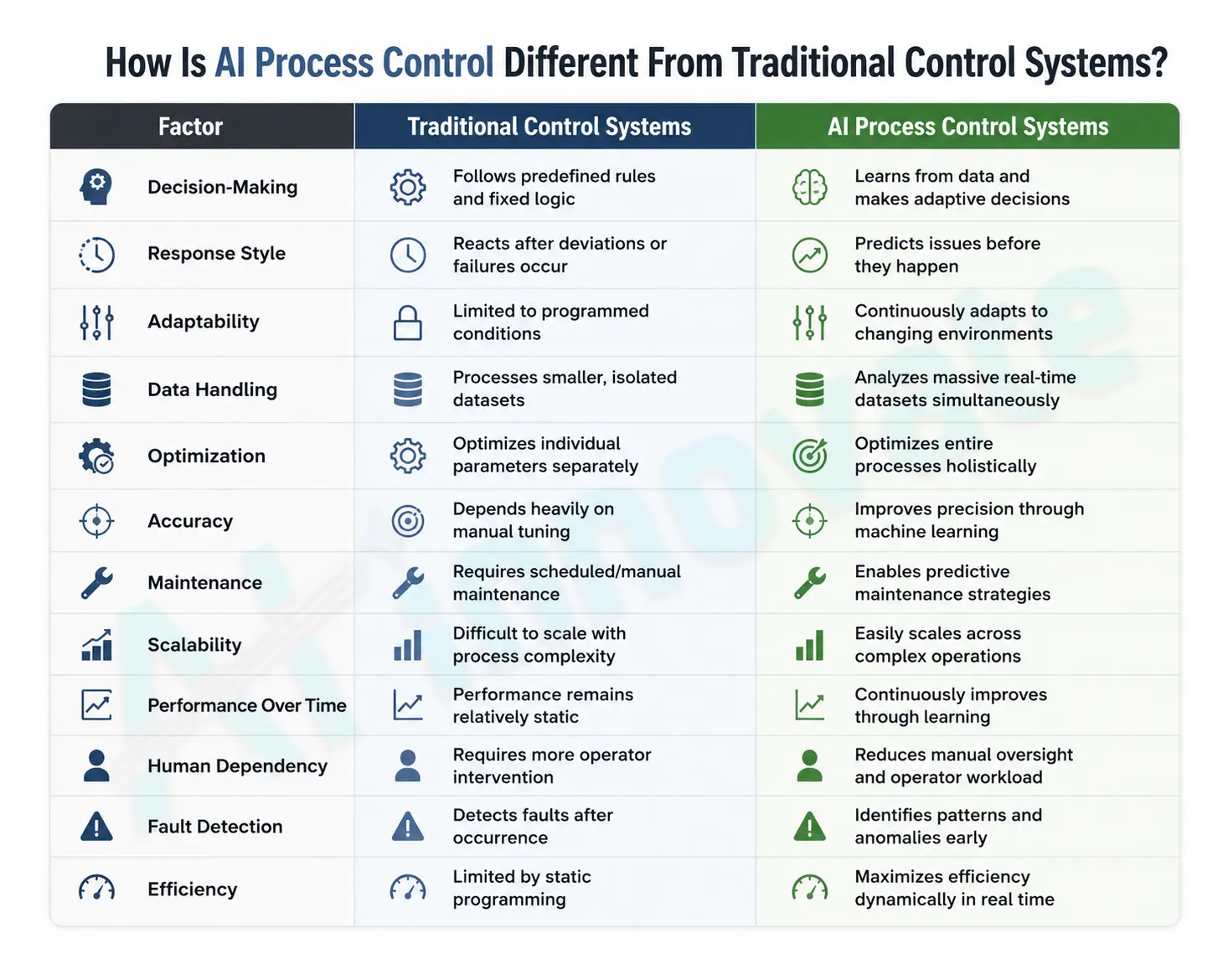
  • Limited flexibility for rapid changes: Automated systems are based on clear rules and specific goals. If production needs to change quickly or there are a lot of new products, it may take time to make changes to the system. Some operations require a certain level of adaptability or judgment that automation cannot provide on its own. In these cases, a combined approach that includes both automation and human oversight is more effective.

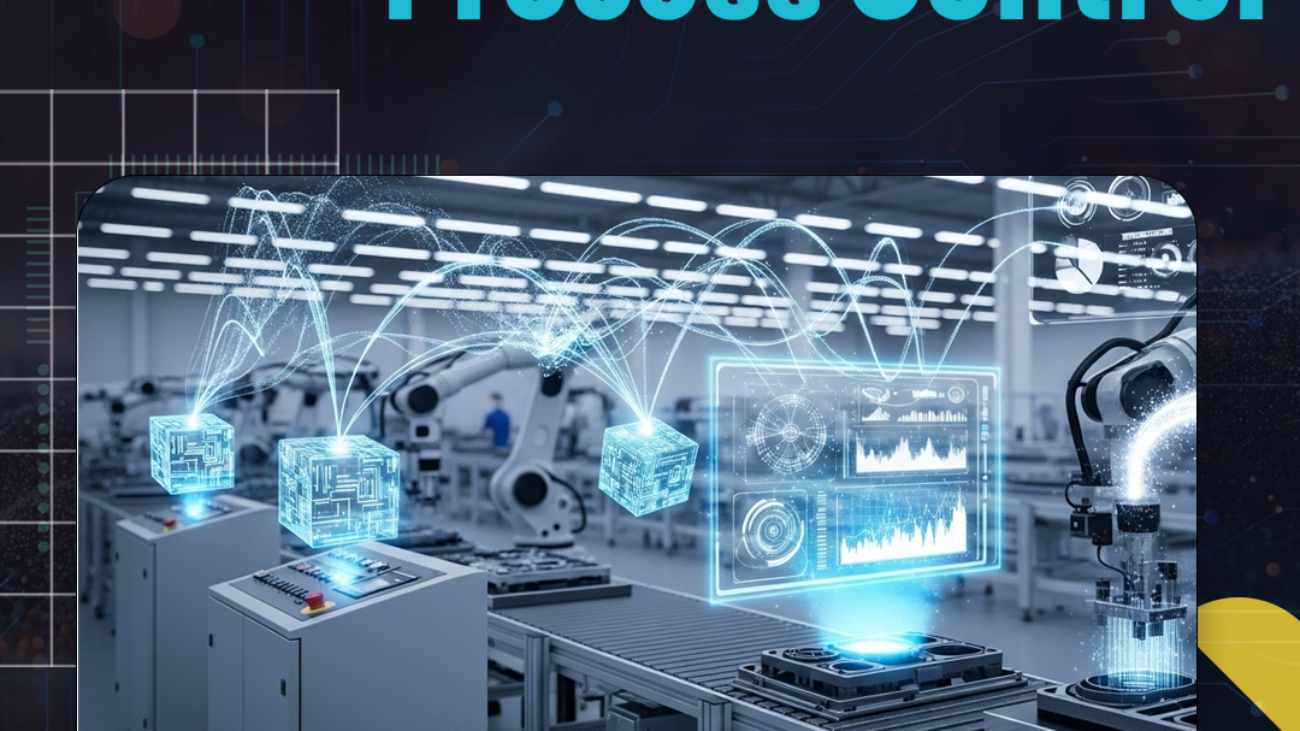
Achieving Intelligent Control with AI-Driven Tools

Implementing AI-based process control becomes a structured and repeatable effort when using tools purpose-built for manufacturing environments:

  • Identify process challenges and define success criteria: Start by pinpointing key operational issues such as high energy usage, inconsistent quality, or unplanned downtime. Establish measurable goals, for example cutting energy costs by 15% or increasing first-pass yield to 90%.
  • Create predictive models using AI2Cam: AI2Cam streamlines model development for manufacturing engineers without requiring data science expertise. By uploading historical process data and selecting target outcomes, the platform automatically determines optimal control strategies, manages neural network design, and validates results against past performance.
  • Deploy models with Aixcore Edge Intelligence: Aixcore devices connect seamlessly to existing control systems using standard industrial protocols. Models run locally to deliver reliable, low-latency performance independent of network availability, while keeping sensitive data on-site.
  • Apply visual monitoring through AI2Eye: AI2Eye cameras deliver continuous visual oversight of processes, identifying issues traditional sensors may overlook, such as vibration trends, material flow anomalies, and quality variations. This enhances overall operational visibility.
  • Support continuous improvement: Built-in analytics dashboards allow teams to track performance metrics, including energy reduction, quality gains, and equipment reliability. Models can be updated over time as processes change or new products are introduced.

Together, these capabilities shift manufacturing operations from reactive troubleshooting to proactive optimization, enabling long-term competitive advantage through intelligent process control.

Conclusion 

Industrial process control has become a vital part of modern manufacturing, supporting consistent quality, safer operations, and more reliable output. By understanding both its capabilities and its limits, manufacturers can make informed choices about where automation will bring the most value. Strong planning, the right technology, and a knowledgeable team allow organizations to take full advantage of what process control offers while avoiding the challenges that come with poor implementation or unrealistic expectations. When applied thoughtfully, industrial process control becomes a powerful foundation for long term stability, greater productivity, and continuous improvement across the entire operation.

Note: Some graphics and visuals in this post were produced using AI-generated content.
Confused About Where to Start with AI?

Our specialists help you identify the right AI approach based on your process, data, and goals.

Ai-Innovate uses only high-quality sources, including peer-reviewed studies, to support the facts within our articles.

  1. Deloitte Insights. (2025). 2025 Smart Manufacturing and Operations Survey. Highlights findings from a survey of 600 manufacturing executives showing smart manufacturing’s growing role as a driver of competitiveness, with investments focused on automation, analytics, data, and workforce transformation. Retrieved from https://www.deloitte.com/us/en/insights/industry/manufacturing-industrial-products/2025-smart-manufacturing-survey.html (Deloitte)
  2. Schneider Electric Blog. (2025). How Is AI Changing the Industrial World? Discusses how AI improves industrial safety, efficiency, sustainability, and production performance as part of broader digital transformation efforts. Retrieved from https://blog.se.com/industry/2025/07/03/how-is-ai-changing-the-industrial-world/ (Schneider Electric Blog)
  3. Rockwell Automation. (2025). 8 Key Industrial Automation Trends in 2025. Reviews major trends shaping industrial automation this year, including digitization and AI-enabled systems that boost efficiency and address labor shortages. Retrieved from https://www.rockwellautomation.com/en-us/company/news/the-journal/8-key-industrial-automation-trends-in-2025.html (Rockwell Automation)
  4. Opteamix. (2025). Manufacturing Process Automation: A Detailed Guide 2025. Provides an overview of the technologies, benefits, and strategic role of process automation in modern manufacturing, emphasizing robotics, AI, IoT, and RPA. Retrieved from https://opteamix.com/manufacturing-process-automation-a-detailed-guide-2025/ (Opteamix)
  5. Fact.MR. (n.d.). Industrial Automation Control Systems Market Report. Market research covering current dynamics, growth projections, and trends in the industrial automation and control systems sector. Retrieved from https://www.factmr.com/report/industrial-automation-control-systems-market 

FAQ

What are the main benefits of industrial process control?

Key benefits include improved product quality, reduced process variability, higher production efficiency, better energy utilization, enhanced safety, and more predictable operations.

By continuously measuring process variables and adjusting inputs in real time, process control systems keep operations within defined limits, reducing defects, rework, and off-spec production.

No. While control systems manage normal disturbances well, they may struggle with unmodeled dynamics, rare events, or abrupt changes outside their design range.


It is most effective in continuous and semi-continuous industries (e.g., chemicals, oil and gas, power, food processing). In highly manual or unpredictable environments, its benefits may be more limited.

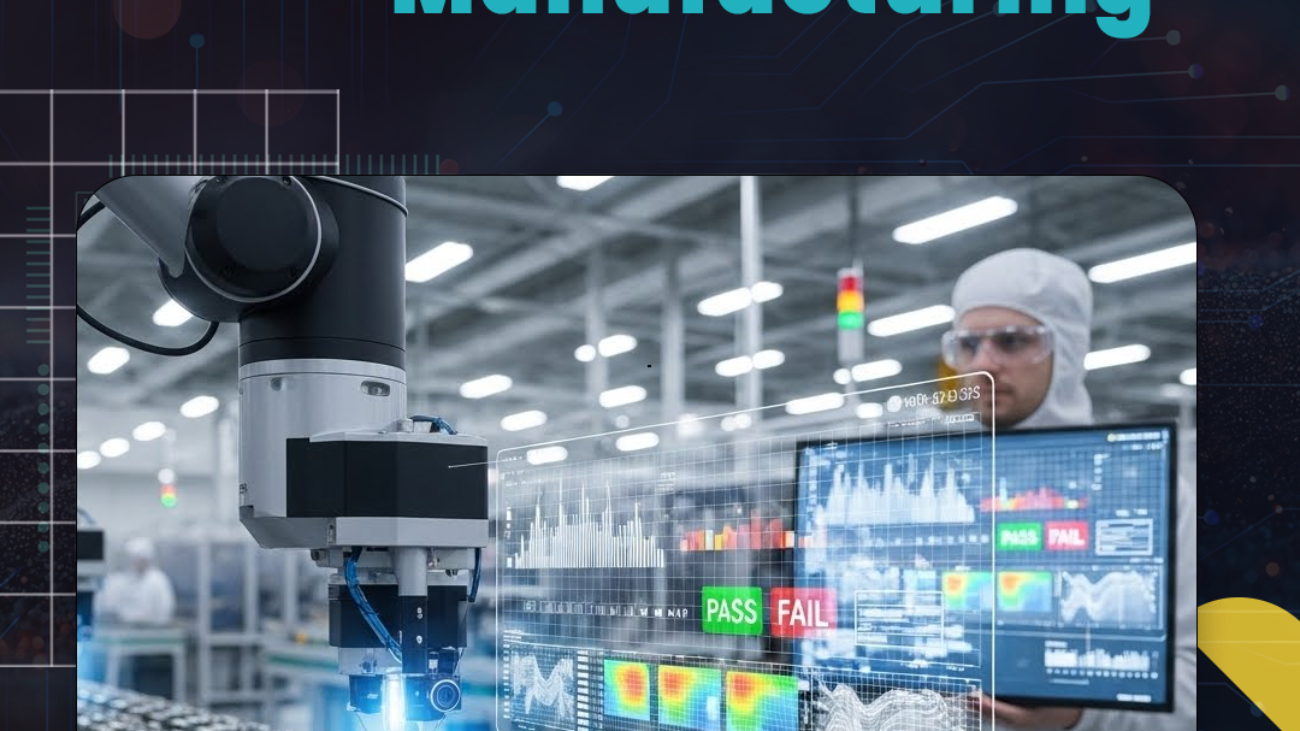
Quality Control in Manufacturing

Quality Control in Manufacturing: A Complete Guide

Picture this: a batch of 10,000 units rolls off your production line, ships to customers, and then the recalls begin. The cost? Not just the immediate financial hit, but the lasting damage to your brand reputation that took years to build. Manufacturing leaders face an unforgiving reality. Even a 1% defect rate can translate into millions in lost revenue and eroded customer trust. Manual inspection methods simply cannot keep pace with modern production speeds or deliver the consistency that global markets demand. This guide will provide you with all the information you need about quality control in manufacturing. We will explore the basic processes, proven techniques, common challenges, and how modern AI for quality assurance is transforming quality control to protect your bottom line.

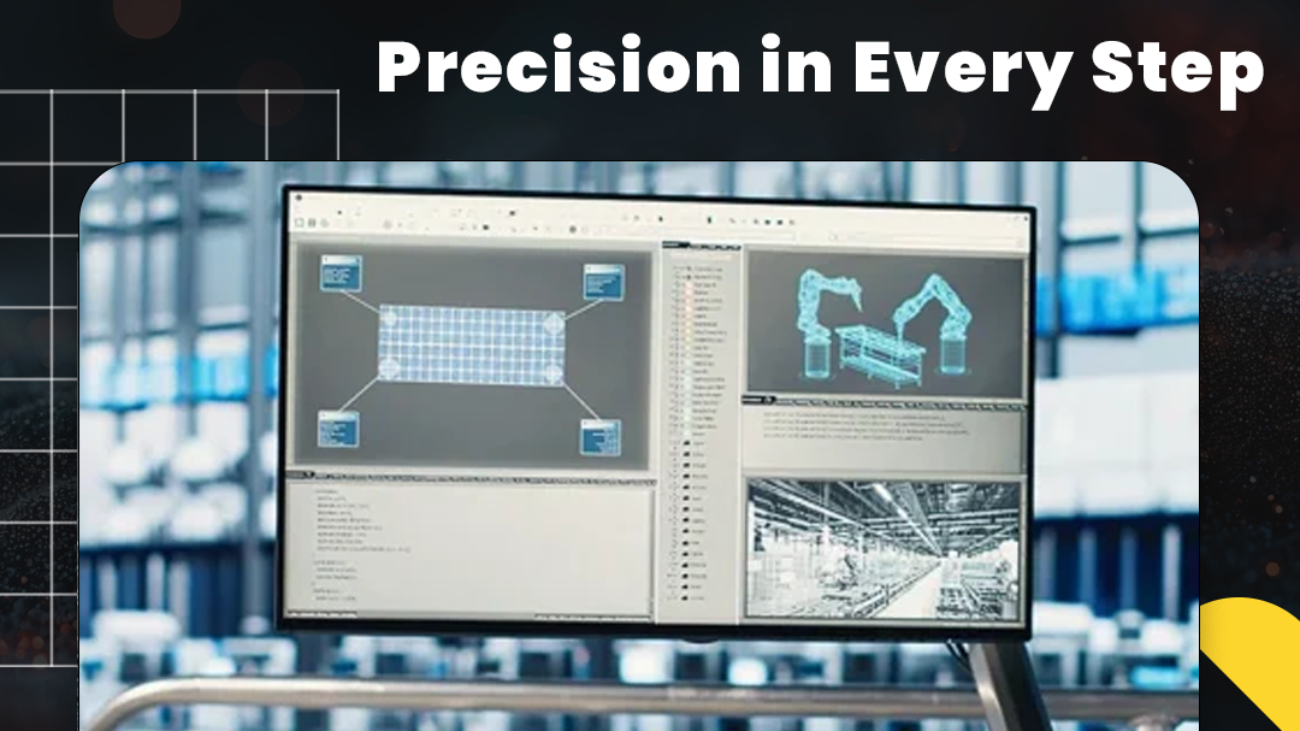
Quality Control in Manufacturing Precision That Drives Performance

Enhance product reliability with modern quality control powered by AI and automation. Detect defects early, maintain consistent standards, and boost efficiency across every stage of production.

What Is Quality Control in Manufacturing?

Quality control (QC) in manufacturing is a process of inspecting and testing products to ensure they meet predetermined standards and customer requirements. It involves identifying and correcting defects during production through inspections, testing, and monitoring to prevent flawed products from reaching the customer, thereby maintaining brand reputation and ensuring safety and compliance. The Importance of Quality Control in Manufacturing Quality control is vital in manufacturing because it ensures products meet standards, leading to customer satisfaction, brand loyalty, and increased profits through reduced waste and costs. By catching defects early, quality control minimizes costly recalls and lawsuits, safeguards brand reputation, and helps companies comply with regulations and remain competitive.

Quality Control Process in Manufacturing

The quality control process involves several key stages that work together to ensure product excellence:
  1. Define Quality Standards: Establish clear, measurable criteria based on customer expectations and regulatory requirements
  2. Select a Quality Control Method: Choose inspection approaches that match your production environment and product characteristics
  3. Train Employees: Educate staff on standards, inspection methods, and documentation procedures
  4. Conduct Inspections and Testing: Implement regular checks at critical control points throughout production
  5. Analyze and React: Review inspection data and respond quickly with containment actions when issues arise
  6. Continuously Improve: Use quality data to drive ongoing enhancements in processes and procedures

Quality Control Techniques in Manufacturing You Can Use

Modern manufacturers have access to multiple proven methodologies for managing quality. Each approach brings unique strengths to different production environments:

Six Sigma

A data-driven methodology that reduces variation and targets defect rates of 3.4 per million opportunities using the DMAIC (Define, Measure, Analyze, Improve, Control) framework.

Statistical Quality Control

Applies statistical methods to monitor processes through sample analysis, control charts, and capability studies while managing inspection costs effectively.

Just in Time (JIT)

Integrates quality control into production flow, emphasizing defect prevention through smaller batches and rapid feedback loops that catch issues immediately.

Total Quality Management (TQM)

Creates a company-wide culture where every employee takes responsibility for quality through customer focus, continuous improvement, and team engagement.

Inspection

Provides verification through manual or automated systems. Modern approaches increasingly leverage machine vision and AI for superior speed and accuracy that human inspectors cannot match.

What Types of Quality Control Are Used in Manufacturing?

Effective quality control programs incorporate multiple inspection types at strategic points throughout the production process:

Materials Inspection

Verifies incoming raw materials and components meet specifications before entering production. This gatekeeper function prevents defective inputs from compromising finished products and includes dimensional checks, material certifications, and sample testing.

In-Process Inspection

Catches defects during manufacturing at critical control points. By monitoring production in real time, you identify process drift or equipment problems before they generate large quantities of defective products, minimizing waste and rework costs.

Final Inspection

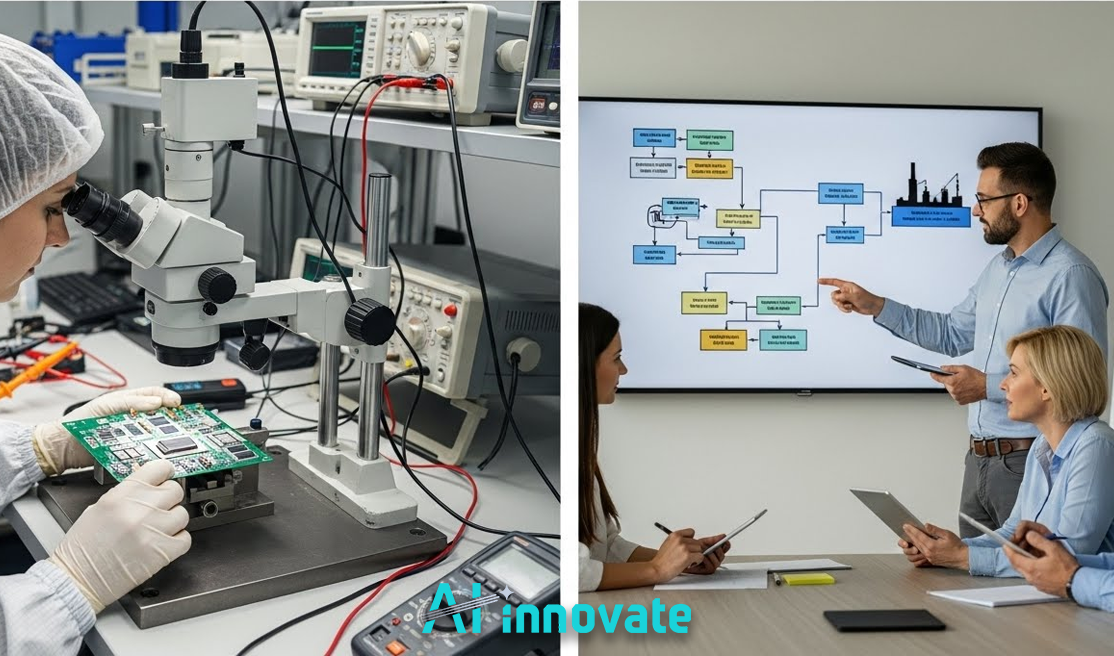
Provides the last verification checkpoint before products ship to customers. This comprehensive examination confirms all specifications are met and products function as intended, acting as your final defense against returns. A lab technician examines a circuit board under a microscope while, beside them, a team in a meeting room reviews a process flowchart on a large screen.

What Are the Responsibilities of Quality Control in Manufacturing?

Quality control professionals shoulder significant responsibilities that extend well beyond simple pass or fail decisions on products. Their role encompasses multiple critical functions:
  • Inspecting and Testing: Systematic examination using appropriate measurement tools and procedures
  • Documentation and Reporting: Maintaining detailed inspection records and quality metrics
  • Non-Conformance Management: Identifying and segregating defective products appropriately
  • Root Cause Analysis (RCA): Investigating underlying causes rather than just symptoms
  • Implementing Corrective and Preventive Actions (CAPA): Developing and verifying improvements
  • Monitoring Processes and Compliance: Ensuring ongoing adherence to standards and regulations
  • Equipment Calibration and Maintenance: Keeping measurement tools accurate and reliable
  • Providing Feedback and Training: Communicating trends to production teams
  • Continuous Improvement Participation: Contributing expertise to enhancement projects

Benefits of Using Quality Control in Manufacturing

Implementing comprehensive quality control delivers measurable advantages that impact every aspect of manufacturing operations:
  • Advanced Product Quality: Identifies defects early, reducing returns and complaints
  • Increased Customer Satisfaction: Builds trust through consistent performance and reliability
  • Reduced Costs: Prevents rework, minimizes waste, and lowers overall production expenses
  • Improved Compliance: Meets regulatory standards while avoiding penalties
  • Advanced Reputation: Strengthens industry standing through reliable products
  • Higher Efficiency: Streamlines operations and improves resource allocation
  • Data-Driven Decisions: Enables informed improvements through performance insights

Quality Control Issues in Manufacturing

Even with the best intentions, manufacturing organizations face significant challenges in maintaining effective quality control programs:
  • Human Error and Lack of Training: Inspector fatigue and inconsistent standards lead to missed defects
  • Supply Chain Variability and Supplier Quality: Material variations impact product quality
  • Balancing Cost-Efficiency with Quality: Finding optimal balance between thorough inspection and competitive pricing
  • Evolving Regulatory Compliance: Adapting to new regulations and changing standards
  • Resistance to Change: Overcoming reluctance to adopt improved methods and technologies

How to Get Started to Implement Quality Control in Manufacturing with AI-innovate

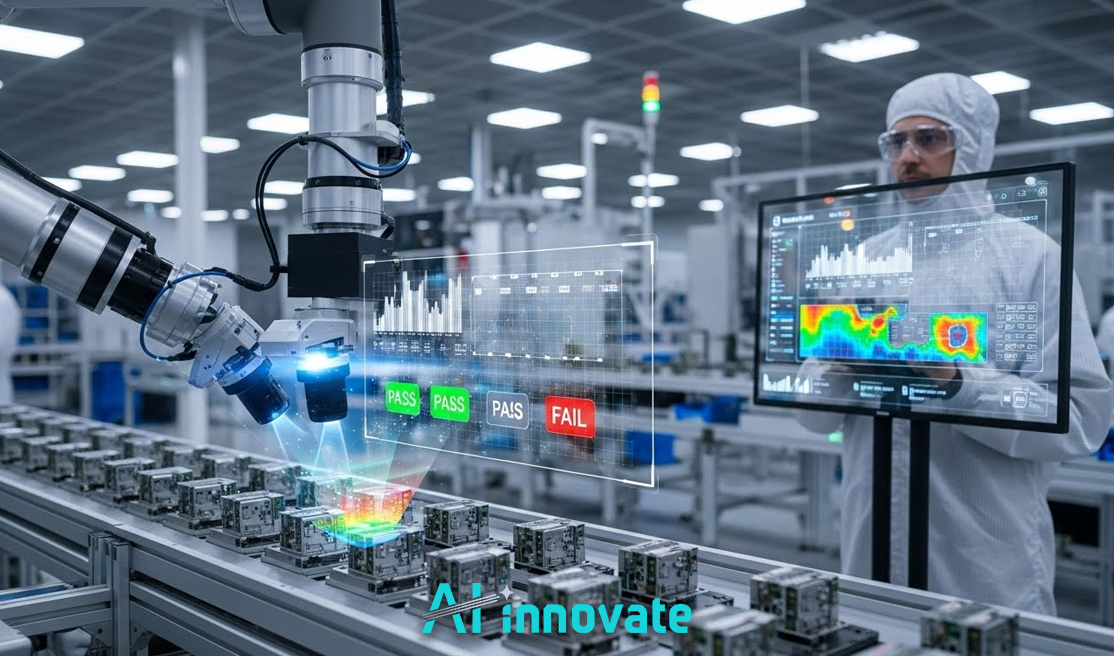
AI-innovate‘s AI2Eye brings advanced machine vision and artificial intelligence directly to your production line, learning your specific quality standards and adapting to your environment. Unlike traditional inspection methods that rely on human vigilance, this AI-driven quality control solution delivers consistent, accurate defect detection around the clock.

How AI2Eye Works

  • Image Capture: High-resolution cameras capture detailed product images in real time as items move through production
  • AI Analysis: Advanced algorithms analyze images and detect defects with accuracy surpassing human capabilities
  • Defect Identification: System identifies surface imperfections, dimensional variations, color inconsistencies, and assembly errors
  • Instant Alerts: Real-time feedback enables immediate corrective action before defects multiply
  • Continuous Learning: Machine learning in manufacturing improves accuracy over time across metals, polymers, textiles, leather, and packaging

Key Advantages

  • Cost Reduction: Up to 35% lower quality control costs while improving defect detection rates through machine learning in quality control
  • 24/7 Operation: Consistent standards across all shifts without breaks or performance degradation
  • Seamless Integration: Minimal disruption to existing production lines with quick implementation
  • Comprehensive Documentation: Detailed records for compliance and continuous improvement initiatives
Visit AI-innovate at AI2Eye for demonstrations, pilot programs, and implementation support tailored to your manufacturing needs.

Conclusion

Quality control in manufacturing stands as the critical difference between thriving businesses and those struggling with recalls and reputation damage. Effective quality control extends beyond simple inspection to encompass comprehensive processes, skilled personnel, and sophisticated technology working together to ensure consistent excellence. From my experience working with manufacturers across diverse industries, companies that treat quality as strategic consistently outperform competitors. The value of implementing comprehensive quality control cannot be measured only in defect rates or cost savings. It protects brand reputation, enables compliance, and builds the customer trust that drives long-term growth and success. Note: Some graphics and visuals in this post were produced using AI-generated content.
Ai-Innovate uses only high-quality sources, including peer-reviewed studies, to support the facts within our articles.

Confused About Where to Start with AI?

Our specialists help you identify the right AI approach based on your process, data, and goals.

FAQ

What is quality control (QC) in manufacturing?

Quality control in manufacturing is the systematic process of inspecting, testing, and monitoring products throughout production to ensure they meet established standards and customer requirements. It involves identifying defects, implementing corrective actions, and continuously improving processes to maintain consistent product quality.

Quality assurance focuses on preventing defects by designing robust processes before production begins (proactive and process-oriented). Quality control detects defects by inspecting products during and after production (reactive and product-oriented). Both work together, with QA establishing the framework and QC verifying results.

Improve quality control by clearly defining standards, training personnel, implementing statistical process control, investing in modern inspection technology like AI-powered vision systems, establishing continuous improvement culture, and engaging suppliers in quality initiatives to reduce variation at the source.

Quality Control vs Quality Assurance in Manufacturing

Quality Control vs Quality Assurance in Manufacturing

While many people use the terms quality assurance and quality control interchangeably, they actually represent two distinct concepts. A good quality management system is one that relies on a combination of both approaches. In this blog, we’ll focus more on the key differences between quality assurance and quality control, and what each one is important for.

Quality Control vs Quality Assurance. Know the Difference. Build Better

Understand how QC and QA work together to ensure consistent product quality in manufacturing. Learn the key differences, why both matter, and how modern AI-driven processes enhance reliability, efficiency, and customer satisfaction.

What Is Quality Control

Quality control is a reactive process. It’s a measure taken in reaction to defect detection after production. During the inspection phase of production, all the errors, defects, and missed requirements for the product are flagged. Quality assurance processes include the physical review and inspection of a product during production to ensure it meets expectations. The primary goal of quality control is to identify and remove defects in products before they reach the customer. More specifically, quality control aims to:
  • Verify product accuracy and consistency: Check that each product meets the required specifications, tolerances, and standards.
  • Detect defects early in production: Find problems during manufacturing so they can be corrected quickly and cheaply.
  • Prevent defective products from being shipped: QC is the last line of defense to ensure only conforming products leave the facility.
  • Provide feedback to improve processes: Inspection results help engineering and QA teams pinpoint problem areas and reduce defect rates.
  • Protect the customer and the brand: By stopping defective items, QC maintains customer satisfaction and prevents returns, warranty claims, and safety risks.

What Is Quality Assurance

Quality assurance is a proactive process. In simple terms, quality assurance is about making sure the process is done the right way so the product turns out right. We can say that quality assurance is the preventive process that ensures mistakes don’t happen in the first place. The main goal of quality assurance is to prevent defects by making sure the work is done correctly every time. More specifically, quality assurance aims to:
  • Prevent problems before they happen: QA focuses on designing reliable processes, instructions, and standards that reduce mistakes.
  • Ensure consistency in how work is done: Everyone follows the same proven method, which leads to predictable, high-quality results.
  • Improve and maintain quality systems: QA keeps the company’s procedures, training, documentation, and audits up to date.
  • Build confidence in the production process: When a process is controlled, management and customers can trust the output.
  • Support long-term quality and efficiency: Good QA leads to fewer defects, less waste, lower cost, and smoother operations.
A lab technician examines a circuit board under a microscope while, beside them, a team in a meeting room reviews a process flowchart on a large screen.

What is the Difference Between QA and QC in Manufacturing?

Now that we’ve individually defined QA and QC, let’s go over the key differences between the two:
  • The goal: While quality assurance aims to prevent defects, quality control aims to detect and fix them.
  • Timing: Quality control happens at the end of the production process, while quality assurance is done throughout the whole process.
  • Objective: Quality assurance’s job is to make sure that the company follows the rules and uses the same methods every time. The job of quality control is to check that the final product meets the requirements.
  • Activities: QA activities include planning processes, documenting them, training, and making improvements to processes to make them strong and effective. QC activities include inspection, testing, finding defects, and fixing them.
  • Inspection: QA inspection checks that the production process is following the rules. QC inspection focuses on the final product or output.
  • Involvement: Everyone in an organization should be involved in QA. This is because QA is all about creating and maintaining quality processes. QC is all about the people who check and test the final product.
  • Timeline Impact: QA affects the whole production process because it creates strong processes that prevent defects over time. QC has a direct impact on the specific product being checked.

Where QA and QC is Applied in Manufacturing

Quality Assurance is applied throughout the entire production system, especially in areas that shape how work is done. AI Quality Control is applied directly to the product at various stages of production. We’ve prepared a diagram/table for better understanding:  
Category Where It’s Applied Description
Quality Assurance (QA) Process Design & Planning Creating SOPs, workflows, and quality standards before production begins.
Training & Skill Development Ensuring employees understand correct methods and procedures.
Supplier & Material Management Evaluating and approving suppliers; verifying incoming material quality systems.
Equipment Calibration & Maintenance Making sure machines are capable of producing accurate and consistent output.
Process Audits & Compliance Running audits (ISO, internal audits) to ensure procedures are followed correctly.
Continuous Improvement Updating processes based on root-cause analysis and performance metrics.
Quality Control (QC) Incoming Material Inspection Checking raw materials and components before they enter production.
In-Process Inspection Verifying dimensions, features, and functionality during production.
Final Product Inspection Ensuring finished products meet specifications before shipping.
Testing & Measurement Using gauges, CMMs, calipers, or test stations to confirm product accuracy.
Sorting & Rework Identifying defective items and repairing or removing them from the batch.

Conclusion

Quality assurance and quality control play different but equally critical roles in manufacturing. QA focuses on building reliable processes that prevent problems before they start, while QC verifies that finished products meet the required standards. With real-time defect analysis, it’s easier to meet customer demand and even exceed it. As quality management starts to leverage AI, I don’t believe it’s far off to say that AI quality assurance and defect detection will become an ever-present necessity in manufacturing.

Ai-Innovate uses only high-quality sources, including peer-reviewed studies, to support the facts within our articles.

  1. Isolocity. (2024). What Is QA vs QC? A Detailed Guide on Quality Assurance vs Quality Control. Retrieved from https://isolocity.com/what-is-qa-vs-qc-a-detailed-guide-on-quality-assurance-vs-quality-control/

  2. ETQ. (2024). Quality Control vs Quality Assurance. Retrieved from https://www.etq.com/blog/quality-control-vs-quality-assurance/

  3. SimplerQMS. (2024). Quality Assurance vs Quality Control: Key Differences. Retrieved from https://simplerqms.com/quality-assurance-vs-quality-control/#differences

  4. Qualio. (2024). Quality Assurance vs Quality Control — What’s the Difference? Retrieved from https://www.qualio.com/blog/quality-assurance-vs-quality-control

Confused About Where to Start with AI?

Our specialists help you identify the right AI approach based on your process, data, and goals.

FAQ

What is the main difference between Quality Control and Quality Assurance?

Quality Control (QC) focuses on detecting defects in finished products, while Quality Assurance (QA) focuses on preventing defects by improving processes and systems.

Yes, Quality Control is usually considered a part of Quality Assurance. QA covers the entire production process, and QC is one step within it that checks the final output.

Both are important. QA helps prevent problems before they happen, while QC ensures that defective products do not reach customers. Together, they ensure consistent quality.

QA sets quality standards and procedures, while QC inspects products to ensure those standards are met. This teamwork helps reduce errors, improve efficiency, and maintain customer satisfaction.

AI Quality Control Solutions for Plastic Manufacturing

AI Quality Control Solutions for Plastic Manufacturing: The Next Step in Production Excellence

The world of plastic manufacturing is moving quickly, and it’s only natural that as the most important part, quality control in plastic manufacturing is changing as well. For many years, quality control in plastic relied on human inspection and manual sample checks.

These methods have served the industry well, but are increasingly going out of fashion since they’re too limited for modern production needs. This is where AI-based quality control systems step in to transform the process.

In this blog, we’ll explore what AI quality control means for plastic manufacturing, how these systems work, and what benefits and challenges come with adopting AI in the production environment.

AI Quality Control for Plastics.Consistent Quality, Zero Defects

Leverage AI-powered inspection to detect surface flaws, color variations, and dimensional defects in plastic products with unmatched precision. Improve quality, reduce scrap, and optimize every stage of plastic manufacturing.

What AI Adds to Quality Control in Plastic Manufacturing

AI-powered quality control leverages machine vision, deep learning models, and real-time data analytics to automatically inspect plastic parts. The system uses cameras and sensors to monitor products and equipment, then processes the data through advanced algorithms that can detect defects. AI evaluates every part that moves across the line and flags any defects on the spot.

AI-driven quality control can detect issues such as:

  • Warping
  • Short shots
  • Burn marks
  • Scratches
  • Contamination
  • Color variation
  • Die lines
  • Thickness inconsistencies
  • Surface defects

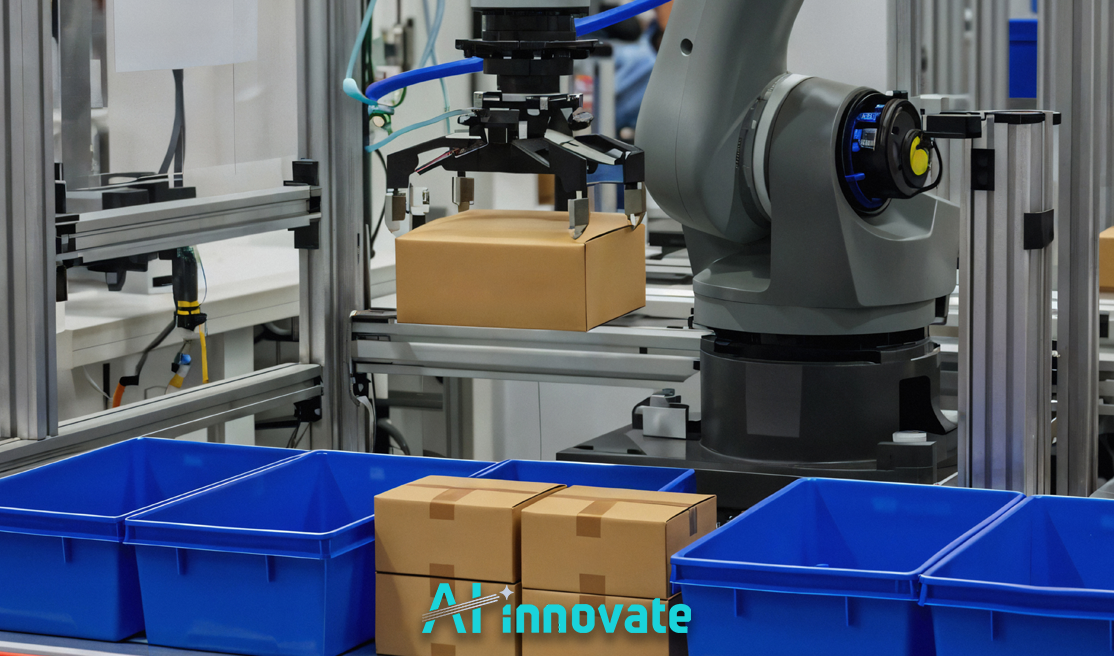
A robotic arm places cardboard boxes into blue bins on an automated packaging line.

How AI Quality Control in Plastic Manufacturing Works

AI driven quality control systems for plastic manufacturing are made up of several important components, and each one has its own role:

  • High-Resolution Cameras: Depending on the application, manufacturers use area-scan cameras for part inspection or line-scan cameras for continuous materials like films and sheets. These cameras can capture details like micro scratches or small variations in texture.
  • Advanced Lighting: Lighting is just as important as the camera setup because it highlights the features the AI needs to analyze. The type of lighting used depends on the defect types.
  • Real-Time AI Processing: A machine vision software powered by AI evaluates the captured images and identifies defects. Deep learning models can recognize both simple issues, such as missing material, and more complicated ones, such as subtle warping or small regions of uneven gloss.
  • Classification and Reporting: The results are sent to dashboards or directly to production control systems. Operators can instantly see what is happening and take action if need be.
  • Closed-Loop Control: If the system detects that a mold cavity is producing repeated short shots, it can send feedback to adjust the injection pressure or material temperature. This creates a self-correcting production line.

Where AI Quality Control Is Used in Plastic Manufacturing

AI-powered quality control is seen across many areas of the plastic industry. Here are some examples:

Injection Molding

Injection molding is used to make millions of complex parts for cars, electronics, medical devices, and consumer goods. AI systems check each molded part for problems like sink marks, flow lines, warping, incomplete fills, burns, and contamination. Since injection molding machines work in rapid cycles, AI helps find defects immediately before large batches are wasted.

Extrusion

Extrusion lines run continuously, which means problems can add up quickly if they aren’t found early. AI checks the surface quality, the thickness of the material, how evenly it melts, any streaks in the die, and any contamination in pipes, profiles, films, and sheets.

Blow Molding

AI inspects the walls and neck areas of blow-molded bottles and containers to detect changes in thickness, problems with how things are shaped, and weak spots that affect how well the product works.

Thermoforming and Packaging

AI makes sure that formed trays, lids, and containers are the right shape and size. It also checks the film quality before forming to avoid problems later.

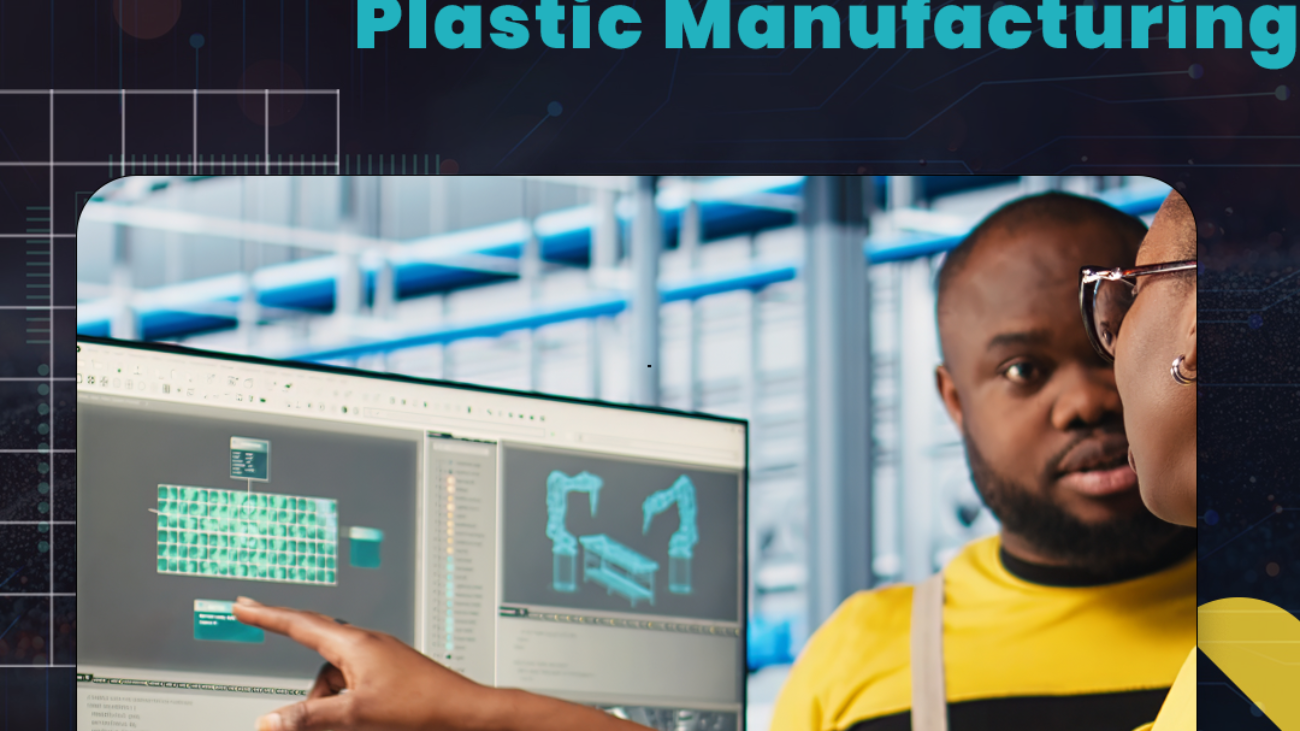
A person holding a laptop monitors a high-tech automated factory floor with robotic arms and industrial equipment.

Benefits and Challenges of AI Quality Control in Plastic Manufacturing

AI brings many advantages to plastic manufacturing, but it also comes with certain challenges. It’s good to know both.

Benefits

  • Improved Accuracy and Consistency: Since AI eliminates human error, it naturally brings objective quality assessments. Another point is that AI doesn’t experience fatigue, and it can go on with the same level of precision and consistency.
  • Increased Efficiency and Speed: When systems are automated, less time is wasted. And that’s exactly what AI does: automating quality control.
  • Cost Savings: The earlier the defects are detected, the less scrap and rework. This leads to reduced material, energy, and labor costs.
  • Enhanced Traceability and Compliance: AI systems keep digital records of inspections, which are important for following rules and figuring out what caused problems.

Challenges

  • High Implementation Costs: Using AI requires investing in hardware (like sensors, cameras, and computers) and software, as well as expertise. This can be a big problem for small and medium-sized manufacturers.
  • Legacy System Integration: Many existing factories use older, “heritage” systems that can’t be updated to use modern AI technology. It can be hard and expensive to add new AI systems to this existing infrastructure.
  • Algorithm Bias: If the data used to train the AI model doesn’t represent all the different types of products and environments, the model might learn biased ways of thinking. This can lead to unfair and inconsistent quality checks.
  • Talent and Upskilling: There aren’t enough skilled data scientists and AI experts to develop, implement, and maintain these systems. Also, existing employees need training to work with AI technologies, which takes a lot of resources.

Conclusion

In plastic manufacturing, or any other sector for that matter, quality control is of utmost importance. In today’s competitive world, leveraging AI for quality assurance and quality control is a big advantage that manufacturers mustn’t miss. Even with the present challenges, the technology continues to evolve, and AI quality control in plastic manufacturing will become even more advanced and common across all sectors of the industry.

Note: Some graphics and visuals in this post were produced using AI-generated content.
Confused About Where to Start with AI?

Our specialists help you identify the right AI approach based on your process, data, and goals.

Ai-Innovate uses only high-quality sources, including peer-reviewed studies, to support the facts within our articles.

  1. Aeologic. (2025). Streamlining Plastic Manufacturing with Agentic AI. Retrieved from https://www.aeologic.com/blog/streamlining-plastic-manufacturing-with-agentic-ai

  2. DAC Digital. (2024). Quality Control for Plastics: Optimising with Advanced Technologies. Retrieved from https://dac.digital/deep-tech/our-solutions/quality-control-solutions/quality-control-for-plastics-optimising-with-advanced-technologies

  3. EasyODM. (2024). Plastic Industry: Innovations and Trends. Retrieved from https://easyodm.tech/plastic-industry/

  4. Plastics Technology. (2023). Advancements in Quality Control Systems for Plastic Products. Retrieved from https://www.plastics-technology.com/articles/advancements-in-quality-control-systems-for-plastic-products


FAQ

Is AI quality control suitable for small and medium-sized enterprises (SMEs)?

Yes, modern AI systems are increasingly user-friendly, modular, and scalable, making them a cost-effective solution for operations of various sizes. Many solutions are cloud-based, reducing the need for significant on-premises hardware investment.

Many current solutions are designed to be compatible with standard industrial cameras and existing infrastructure. They often feature no-code platforms with intuitive interfaces, allowing existing operators to train models and monitor systems without deep AI expertise or data science knowledge.

Applications of AI in Quality Control

Applications of AI in Quality Control: A Comprehensive Overview

In the competitive and ever-evolving world of industries, quality control plays a central role in meeting established standards and customer expectations. Initially, this process was done by trained inspectors, and although effective, it was prone to human error and lacked efficiency. Applying AI driven quality control has opened a new door for the manufacturing world, as it offers a solution for the problems of traditional methods. In this article, we’ll go into the details of what the application of AI in quality control means.

AI in Quality Control Smarter Inspections , Superior Products.

From predictive maintenance to quality optimization, machine learning is transforming manufacturing. Unlock real-time insights, improve efficiency, and drive continuous innovation across your production line.

AI and the New Era of Quality Control

Quality control is a systematic process in which products and services are checked to meet set standards for performance and quality. This step in manufacturing is crucial, as it leads to customer satisfaction and brand loyalty, and finally to increased profit. Ensuring that products meet consistent standards also reduces costs by minimizing waste and rework. It’s needless to say that investing in good quality control is essential. This is why AI in quality control is rising in popularity, as it achieves a smoother, more accurate, and efficient process by automated visual inspection. The application of AI in quality control means increased precision and allows for predictive maintenance to prevent issues before they occur.

Applications of AI in Quality Control Across Industries

AI in quality control is widely used in many fields and companies. Some use cases are:
  • Manufacturing: Industries like automotive and food and beverage use AI for visual inspections to detect defects and foreign objects. For example, BMW uses AI to inspect welds on car bodies, detecting even minor imperfections to meet safety standards.
  • Healthcare: AI aids in drug quality control by inspecting manufacturing processes for anomalies and ensuring compliance with safety regulations. For instance, Pfizer uses AI to automate the process of checking labels and packaging for accuracy, ensuring compliance and speeding up production.
  • Customer Service: AI analyzes customer interactions to identify gaps and provide insights for improving the customer experience. Big companies like Amazon and Google benefit from this.
  • Finance: AI is used for fraud detection and ensuring the quality of financial products and services. Companies like Morgan Stanley and Goldman Sachs use AI for quality control in finance.

How AI Enhances Quality Control

In general, AI systems use a combination of machine learning (ML), computer vision, natural language processing (NLP), and data analytics to monitor, inspect, and improve production and service quality. We can see this in effect in:
  1. Automated Detection and Inspection: AI systems can analyze thousands of product images or sensor readings per minute, identifying defects, inconsistencies, or contaminants faster and more accurately than humans.
  2. Predictive Quality Monitoring: AI predicts problems by analyzing production data (such as temperature, vibration, pressure, or speed) to identify patterns that indicate potential defects. This allows for predictive maintenance, enabling adjustments before issues arise.
  3. Real-Time Process Optimization: AI models optimize parameters and adjust them to maintain ideal performance. In processes like plastic molding or metal casting, AI can automatically fine-tune pressure and cooling times for consistent product quality.
  4. Intelligent Data Analysis and Reporting: AI automates the collection and analysis of quality data from various sources, generating instant reports and highlighting trends. It suggests corrective actions based on past performance and uses NLP tools to identify recurring issues in inspection reports and customer feedback.
Our AI2Eye and AI2Cam At AI-innovate improve quality control in manufacturing. AI2Eye monitors production in real time, spotting defects early and ensuring product quality remains consistent. Meanwhile, AI2Cam allows teams to test and optimize camera setups before deployment, improving data collection and model accuracy.

Conclusion

AI is transforming quality control, assisting in detect defects, optimizing processes, and analyzing data in real time, which leads to consistent quality, reduced waste, and improved decision-making, enabling companies to deliver reliable products and services efficiently. In the future, AI is likely to become even more advanced, enabling fully automated quality systems that can learn and adapt continuously to new challenges and standards. Note: Some graphics and visuals in this post were produced using AI-generated content.
Ai-Innovate uses only high-quality sources, including peer-reviewed studies, to support the facts within our articles.

  1. Datategy. (2024). How AI Transforms Quality Control in Modern Manufacturing. Explores how AI and computer vision detect defects and reduce manual inspection. Retrieved from datategy.net

  2. Qualityze. (2024). AI in Quality: Revolutionizing QMS Industry. Details how AI enhances Quality Management Systems (QMS) in industrial settings. Retrieved from qualityze.com

  3. Körber Digital. (2024). How AI is Revolutionizing Quality Control in Manufacturing. Covers automation of inspections, predictive defect detection and data-driven quality insights. Retrieved from koerber-digital.com

  4. Miquido. (2025). AI for Manufacturing Quality Control. A case-driven overview of how AI detects defects in real time and improves product consistency. Retrieved from miquido.com

  5. Softude. (2025). How AI is Revolutionizing Quality Control and Quality Assurance in Manufacturing? Describes how AI transforms QC from reactive to predictive across manufacturing lines. Retrieved from softude.com

  6. Industrial Omron UK. (2025). Revolutionising Quality Control: AI and Data Capture Transform Manufacturing. Highlights how AI-vision systems lower false positives and adapt to product variations. Retrieved from industrial.omron.co.uk

  7.  

Confused About Where to Start with AI?

Our specialists help you identify the right AI approach based on your process, data, and goals.

FAQ

What is the application of AI in quality control?

 It leverages advanced algorithms and machine learning to inspect products, identify defects, and ensure compliance with quality standards.

AI-driven test case creation, automated visual inspections, self-healing test scripts, and predictive analytics for early defect detection.


By employing adaptive algorithms, AI can identify patterns, trends, and deviations that might be difficult for human operators to detect.

AI in Production Monitoring Systems for Smart Manufacturing

AI in Production Monitoring Systems for Smart Manufacturing

In a smart factory, every machine, sensor, and workstation contributes to a continuous stream of operational data. However, without proper analysis, this information can quickly become overwhelming rather than useful. Many manufacturers still rely on fragmented monitoring tools that provide delayed or incomplete insights into production performance.

This makes it difficult to identify inefficiencies, quality risks, or emerging equipment issues before they escalate. Artificial intelligence (AI) is transforming production monitoring by turning raw data into meaningful, real-time insights. Through pattern recognition and adaptive learning, AI systems help organizations understand how their processes behave under different conditions.

This article will explain how AI-driven monitoring systems work in smart manufacturing environments, the problems they solve, and how they enable manufacturers to maintain stability, improve productivity, and build more resilient operations.

Smart Manufacturing Smarter Monitoring with AI

Harness the power of AI to anticipate and prevent production defects before they occur. Boost efficiency, ensure consistent quality, and transform your manufacturing process from reactive to predictive.

AI Technologies in Real-Time Data Monitoring

Artificial intelligence is not a single entity but a suite of powerful technologies working in concert to interpret the complex language of your production line. These tools analyze vast amounts of data from sensors, cameras, and machinery in milliseconds, providing insights that were previously impossible to capture. To fully appreciate this transformation, let’s explore the core technologies driving this shift and the immediate operational advantages they provide.

Real-Time Visibility into Operations

At its core, AI-powered monitoring grants unprecedented, real-time visibility. By deploying advanced models like You Only Look Once (YOLO) for object detection and sophisticated tracking algorithms, our systems create a dynamic, digital twin of your production environment.
This means every component, process, and station is monitored continuously. You are no longer managing based on yesterday’s reports but on live, actionable intelligence, turning raw data into a clear view of your operations as they happen.

Operational Efficiency Through Streamlined Processes

Visibility naturally leads to efficiency. AI systems excel at identifying patterns and anomalies that signal production bottlenecks or inefficiencies. For example, by analyzing cycle times and material flow, the system can pinpoint the exact stage where delays occur, allowing for targeted process improvements.
This data-driven approach removes guesswork, helping you streamline workflows, balance production loads, and maximize the output of every single machine and operator on the floor.

Eliminating Manual Reporting

Manual data collection and reporting are notoriously time-consuming and prone to human error. AI systems automate this entire process. Key Performance Indicators (KPIs) like production counts, cycle times, and defect rates are generated automatically and with complete accuracy.
This frees your team from tedious administrative tasks, reduces the risk of inaccurate data influencing decisions, and ensures that everyone from the operations director to the QA manager has access to a single, reliable source of truth.

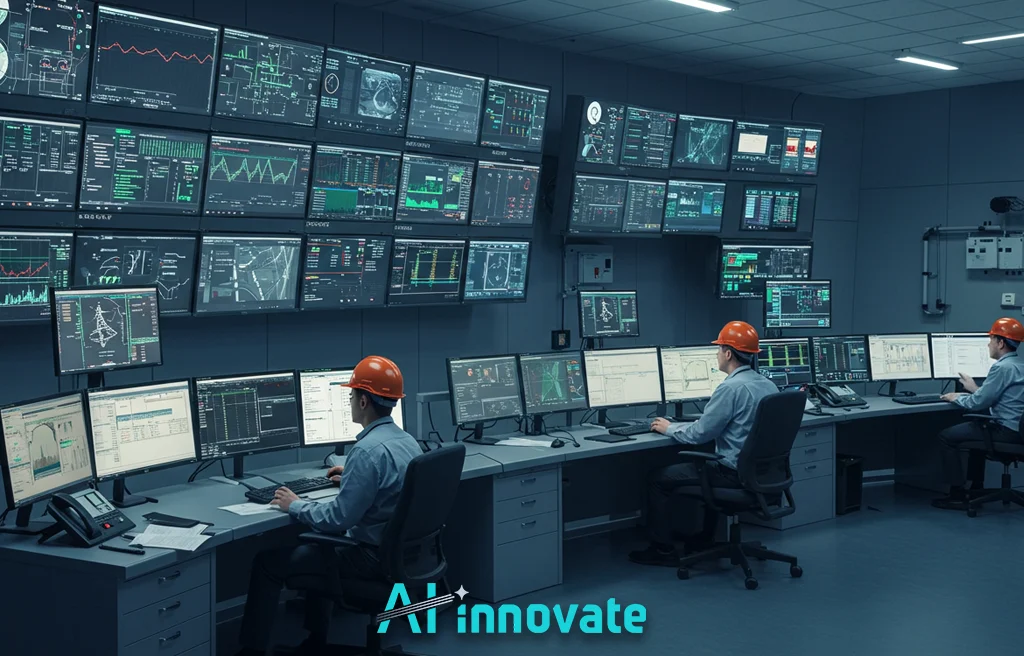
Operators in a dark command center monitoring data. Three workers in orange hard hats sit at a long desk, looking at multiple computer monitors displaying complex control charts, sensor data, and flow diagrams, beneath a wall of dozens of monitoring screens. The text "AI innovate" is at the bottom.

Benefits of Real-Time AI Monitoring in Manufacturing

Understanding the technology is one thing; witnessing its tangible impact on your bottom line is another. Implementing AI for Proactive Defect Prediction moves beyond theoretical gains and delivers measurable improvements in quality, speed, and reliability.
These benefits create a powerful ripple effect across the entire manufacturing value chain. Let’s delve into three of the most significant advantages that real-time AI monitoring brings to the factory floor.

Read Also : Real-time Defect Analysis – Precision at Production Speed

Quality inspection and error detection

Even the most skilled human inspector can experience fatigue or miss microscopic defects. Our ai2eye system acts as a super-powered, vigilant set of eyes on your production line, using advanced computer vision to inspect every single product in real-time.
It can detect subtle surface imperfections, assembly errors, or material inconsistencies with a level of precision that is simply superhuman. By catching these defects the moment they occur, you drastically reduce waste, minimize rework, and ensure only the highest quality products reach your customers.

Optimizing Operations Through Smarter Production Planning

Beyond simple defect detection, AI analyzes production data to enable smarter, more agile planning. By understanding the intricate relationships between different machines and processes, these systems help optimize scheduling and resource allocation.
For example, the industrial solutions provider Grundfos reduced its energy consumption by 15% by using AI to control and monitor its systems. This same principle applies to managing inventory, anticipating demand shifts, and ensuring a smoother, more cost-effective production cycle.

Intelligent Maintenance and Automated System Recovery

Unexpected equipment failure is one of the costliest disruptions in manufacturing. AI-powered intelligent maintenance shifts the paradigm from reactive repairs to predictive intervention.
By analyzing sensor data like temperature and vibration, algorithms can predict when a machine is likely to fail and schedule maintenance before a breakdown occurs. Some studies show this approach can reduce production downtime by as much as 70%, maximizing the lifespan and reliability of your critical assets.

Implementation Strategies

Adopting these powerful systems requires a clear and phased strategy to ensure a successful integration with your existing workflows. The goal is to build a solution that solves specific challenges and delivers a clear return on investment.
With the right approach, implementing a system for AI for Proactive Defect Prediction becomes a manageable and highly rewarding process. We guide our clients through a few essential steps.

Define Clear Objectives

We begin by identifying your most critical pain points. Is it reducing a specific type of defect? Or perhaps minimizing downtime on a key production line? A focused goal ensures the AI solution is tailored to deliver measurable results.
Establish a Robust Data Infrastructure: High-quality data is the lifeblood of any AI system. This involves ensuring your sensors and Industrial Internet of Things (IoT) devices are capturing clean, relevant information for the AI models to analyze.

Leverage Agile Development and Prototyping

The development and testing phase can often be slowed by hardware dependencies. To solve this, our ai2cam virtual camera emulator allows your engineers to rapidly prototype and validate machine vision applications without needing a single piece of physical camera hardware. This accelerates innovation, reduces upfront costs, and allows for extensive testing in a flexible, virtual environment.

Start with a Pilot and Scale

We recommend launching a pilot project on a single line or process. This allows your team to validate the technology, measure its impact, and build confidence before scaling the solution across your entire facility.

Engineers monitoring a factory control room with large screens. Two workers in hard hats stand before multi-panel displays showing live video feeds of machinery, industrial data, and analytics graphs. The text "AI innovate" is at the bottom.

Real-Life Applications

The power of these systems is best seen in action, where AI for Proactive Defect Prediction is already revolutionizing diverse industries. It is not a future-facing technology but a proven solution delivering value today. Here are just a few examples of how it’s being applied:

In the Textile Industry

automated visual inspection systems scan fabrics at high speeds to detect weaving defects, color inconsistencies, and other flaws that are nearly impossible to spot with the naked eye.

For Metal Fabrication

AI algorithms analyze images to identify microscopic cracks or surface blemishes on components, ensuring structural integrity and safety in critical applications like automotive and aerospace.

Read Also : Metal Defect Detection – Smart Systems for Zero Defects

In Packaging and Bottling

systems monitor filling lines to verify correct liquid levels, ensure proper cap sealing, and check for label accuracy and placement, all at a rate of hundreds of units per minute.

Manufacturing Industry Outlook and Impacts

The integration of AI is not a passing trend but a fundamental shift redefining the competitive landscape of manufacturing. The numbers tell a compelling story: the market for AI-powered machine vision is projected to grow from $4.1 billion in 2020 to $15.2 billion by 2025.

Furthermore, Gartner predicts that over 50% of large manufacturing enterprises will be using AI platforms for operational optimization by 2027. This rapid adoption signals that AI is becoming a baseline competency, empowering companies to achieve unparalleled levels of efficiency, quality, and innovation.

Conclusion

AI-powered production monitoring systems are becoming a central pillar of smart manufacturing. These platforms convert real-time data into predictive and prescriptive insights, helping manufacturers improve process stability, reduce waste, and enhance operational performance. Their ability to continuously learn enables them to adapt as conditions change, supporting long-term reliability and scalability.

In my view, the greatest advantage of AI monitoring is situational awareness. When teams understand how their operations behave at every stage, they can proactively optimize rather than react defensively. As smart factories evolve, AI-driven monitoring will play a pivotal role in creating efficient, transparent, and self-improving production environments.

Note: Some graphics and visuals in this post were produced using AI-generated content.
FAQ

How does AI improve production monitoring systems?

AI analyzes real-time data from machines, sensors, and workflows to detect inefficiencies, predict downtime, and optimize production performance automatically.

AI uses data such as machine speed, temperature, vibration, output rates, defect rates, and maintenance logs to evaluate system performance and identify potential issues.

Yes, AI enables predictive maintenance by identifying early warning signs of equipment failure, allowing maintenance teams to take action before breakdowns occur.

Yes, many AI solutions are scalable and cloud-based, making them affordable and practical for small and medium manufacturers as well as large industrial plants.

Ai-Innovate uses only high-quality sources, including peer-reviewed studies, to support the facts within our articles.

  1. Nature Scientific Reports. (2025). AI Strategies for Smart Production Monitoring and System Optimization.
    A peer-reviewed research article examining how artificial intelligence enhances production monitoring, supports real-time decision making, and improves operational performance in smart manufacturing environments.
    Retrieved from https://www.nature.com/articles/s41598-025-25413-6

  2. Datategy. (2024). How AI Transforms Production Lines into Smart Manufacturing Systems.
    An industry article explaining how AI technologies are applied across production environments to improve monitoring, automation, and overall system intelligence.
    Retrieved from https://www.datategy.net/2024/12/17/how-ai-transforms-production-lines-into-smart-manufacturing-systems/

  3. Flowdit. (n.d.). AI in Manufacturing.
    A practical overview describing how artificial intelligence is integrated into manufacturing operations, including production monitoring, defect detection, and process improvement.
    Retrieved from https://flowdit.com/ai-in-manufacturing/

yield improvement in manufactoring

Yield Improvement in Manufacturing Through AI Inspection

For a long time, people have accepted a “good enough” yield as a cost of doing business that can’t be avoided. This is now the biggest obstacle to achieving maximum performance and profit. At AI-innovate, we challenge this outdated mindset by providing AI tools that make near-perfect efficiency an achievable reality, not just an aspiration. The hidden costs of acceptable waste are shocking.

This Blog post gives you a clear plan for achieving ambitious goals in Yield improvement in manufacturing. It empowers you to move beyond old limitations and redefine what’s possible for your production line.

Maximize Yield Minimize Waste Powered by AI

AI-driven analytics uncover hidden inefficiencies, optimize production parameters, and boost manufacturing yield without compromising quality. Turn data into higher output and smarter performance.

What “Yield” Means Today?

For decades, “yield” was a simple metric, defined as the ratio of usable products to the total number of units that began the production process. However, this simple definition can be misleading. For example, a final yield of 98% might seem impressive, but it could obscure critical inefficiencies if a large portion of the products required costly rework to meet quality standards.

Modern manufacturing demands a more sophisticated understanding. That’s why industry leaders now focus on more granular metrics that reveal the true health of the production line. Here are a couple of key concepts:

  • First Time Yield (FTY): This measures the percentage of products that pass a specific process step perfectly the first time, without any need for rework or scrap. It provides a transparent view of a single stage’s efficiency.
  • Rolled Throughput Yield (RTY): This is the probability that a unit will pass through all process steps without a single defect. Calculated by multiplying the FTY of each step, RTY offers an honest, cumulative view of the entire line’s quality performance, highlighting the compound impact of small, recurring issues.

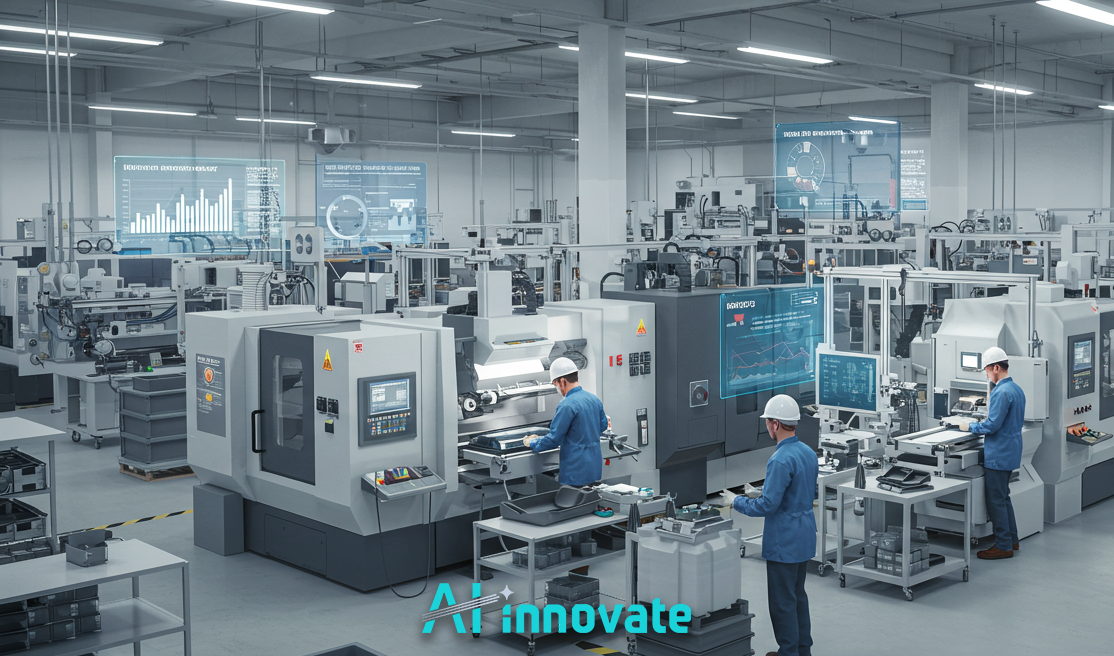
Industrial manufacturing floor with AI data overlays. Workers in blue uniforms operate CNC machines under holographic screens displaying production data, graphs, and yield improvement metrics. The text "AI innovate" is at the bottom

What Is Manufacturing Yield?

Manufacturing yield is a key performance indicator (KPI). It measures the percentage of products that are made correctly the first time. These products meet quality standards. They do not require rework, repair, or rejection. It shows how efficiently a manufacturing process converts raw materials into finished products that are ready for delivery to customers.

Manufacturing yield is calculated by comparing the number of acceptable products with the total number of units produced. A higher yield shows that production processes are stable, consistent, and efficient. It also shows that materials are used efficiently and that manufacturing costs are lower. Many industries, like the automotive, electronics, food and beverage, pharmaceuticals, plastics, semiconductor manufacturing, and medical device production industries, depend on yield as one of the most important ways to measure how well they are doing.

Improving manufacturing yield helps reduce scrap, minimize rework, increase production efficiency, lower operating costs, and improve customer satisfaction. Modern manufacturers use a combination of AI-powered quality control, machine vision, predictive analytics, Industrial IoT (IIoT), and real-time process monitoring to identify quality issues before they affect production.

Key Drivers of Yield Loss in 2025

As production environments become more complex, the factors contributing to yield loss evolve as well. While traditional issues like machine wear and tear persist, new challenges in 2025 are driven by speed and data.

  • Inconsistent Machine Performance
    Small variations in machine efficiency can lead to defects, impacting yield and requiring rework.
  • Deviations in Raw Material Quality
    Even slight quality issues in raw materials can affect the final product, causing waste and inefficiency.
  • Human Error in Manual Assembly
    Mistakes in manual stages of production can result in defects and lower yield.
  • Shortening Product Lifecycles & Customization Demands
    As product lifecycles shorten and customization increases, inefficiencies become more costly, leading to waste.
  • Increased Pressure from Speed and Data
    The growing need for faster production and data management requires a shift to proactive, predictive control to prevent yield loss before it happens.

How to Calculate Production Yield

Production yield helps measure how efficiently a manufacturing process produces quality items. The basic formula is:

Production Yield = (Number of Conforming Units / Total Units Started) × 100%

For example, imagine a metal sheet manufacturing plant that starts with 1,000 metal sheets. After processing, 950 of them meet the quality standards. The yield would be 95%, indicating good production efficiency.

To understand the process better, Rolled Throughput Yield (RTY) tracks performance at each step. For example:

  • Step 1 (cutting the sheets): 90% yield
  • Step 2 (shaping the sheets): 85% yield
  • Step 3 (finishing the edges): 98% yield
  • The RTY would be 0.90 × 0.85 × 0.98 = 0.799, or 79.9%. Despite the high final yield, a lower RTY shows hidden inefficiencies, like cutting or shaping issues, which reduce overall profitability.

How to Improve Yield in Manufacturing

Moving from simply measuring yield to actively improving it requires a paradigm shift. Instead of relying on manual inspection and after-the-fact analysis, leading manufacturers are adopting AI-driven technologies to create intelligent, self-correcting systems. At AI-innovate, we build the tools that make this transition possible. Let’s explore some of the most effective strategies that leverage AI to elevate production outcomes.

Read Also : AI Use Cases in Manufacturing – Turn Data into Power

Managing Defect Density with AI

One of the fastest ways to improve yield is to detect defects as soon as they occur. AI-powered automated optical inspection (AOI) systems are revolutionizing this field. Unlike human inspectors, who are prone to fatigue, these systems can analyze 100% of products with superhuman accuracy.

Some AI systems, for example, have been shown to improve AI defect detection rates by up to 90% compared to manual checks. Our AI2Eye system is a prime example of this technology in action.
It acts as a set of tireless, superpowered eyes on your production line, identifying subtle surface defects and imperfections in real time. By identifying flaws early on, AI2Eye significantly reduces scrap material and ensures that only high-quality products proceed to the next stage.

Reducing Process Variability

Yield loss is often caused by small, invisible deviations from optimal process parameters. AI excels at identifying these patterns in large amounts of sensor data. AI algorithms can monitor operations in real time by creating a “digital twin,” or a virtual replica of the production process. This allows them to detect and correct minuscule variations before they result in a defective product.

This constant, automated oversight stabilizes the production environment, ensuring consistent, high-quality output. This level of proactive control is what truly yields improvement in manufacturing.

Implementing AI-Driven Real-Time Feedback Loops

The most advanced manufacturing systems don’t just find problems; they learn from them. An AI-driven feedback loop is a continuous cycle of improvement. When a system like our AI2Eye detects a new type of defect, it doesn’t just flag it. This is where Defect Detection in Manufacturing is important. It helps systems find problems early in the process.
The data is analyzed right away to find the main problem in the production line. This information helps the system suggest ways to improve the production line. It’s a change from predictive maintenance to a factory that can optimize itself.

2025 Manufacturing Pressures

The pressure to innovate is growing, especially since the industrial AI market is expected to surge. Manufacturers must develop and deploy new technologies faster than ever before. A major bottleneck in this process is the development and testing of machine vision applications, which have traditionally required expensive and inflexible physical camera hardware. This challenge is further complicated by the growing demand for higher-quality outputs and faster production times.

To address these challenges, we developed AI2Cam, a camera emulator designed to streamline the prototyping and testing processes. AI2Cam allows developers and R&D teams to simulate any camera model, lighting condition, or production scenario, thereby accelerating development cycles and reducing hardware costs. AI2Cam also supports AI-driven quality control, enhancing product quality and enabling remote collaboration for global teams.

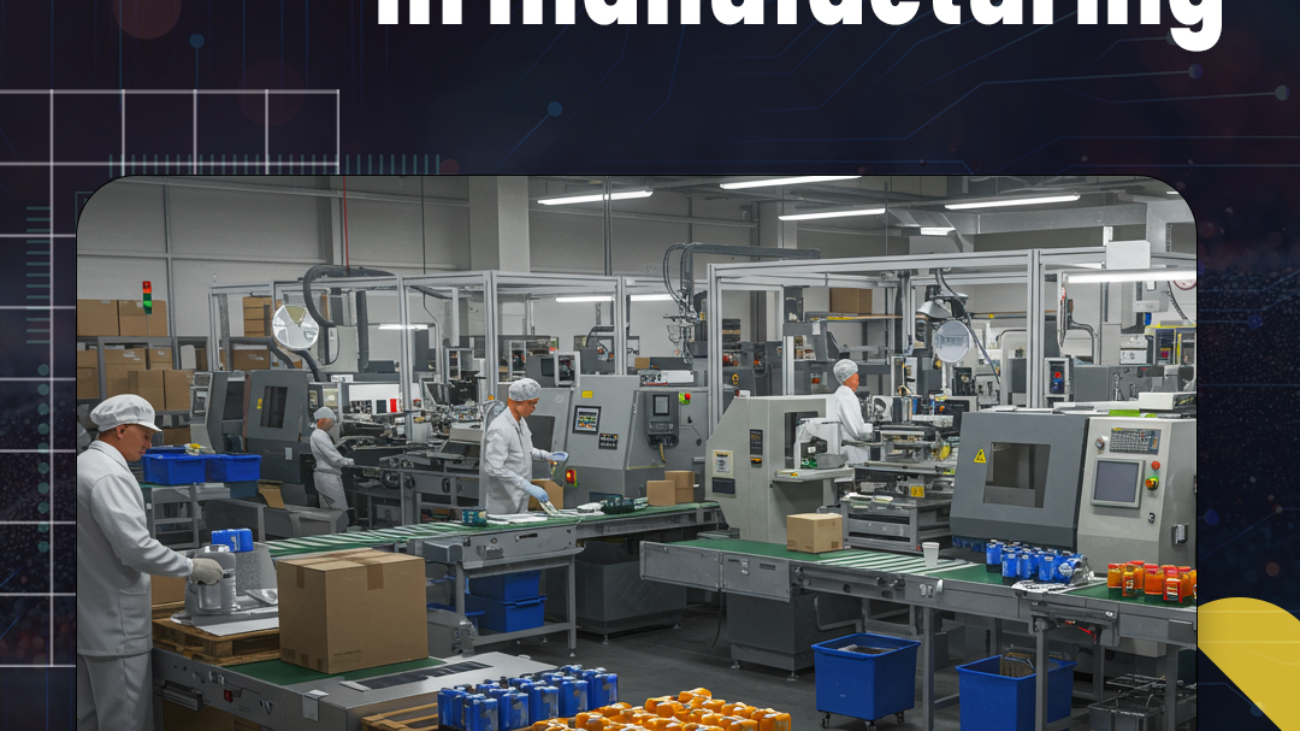
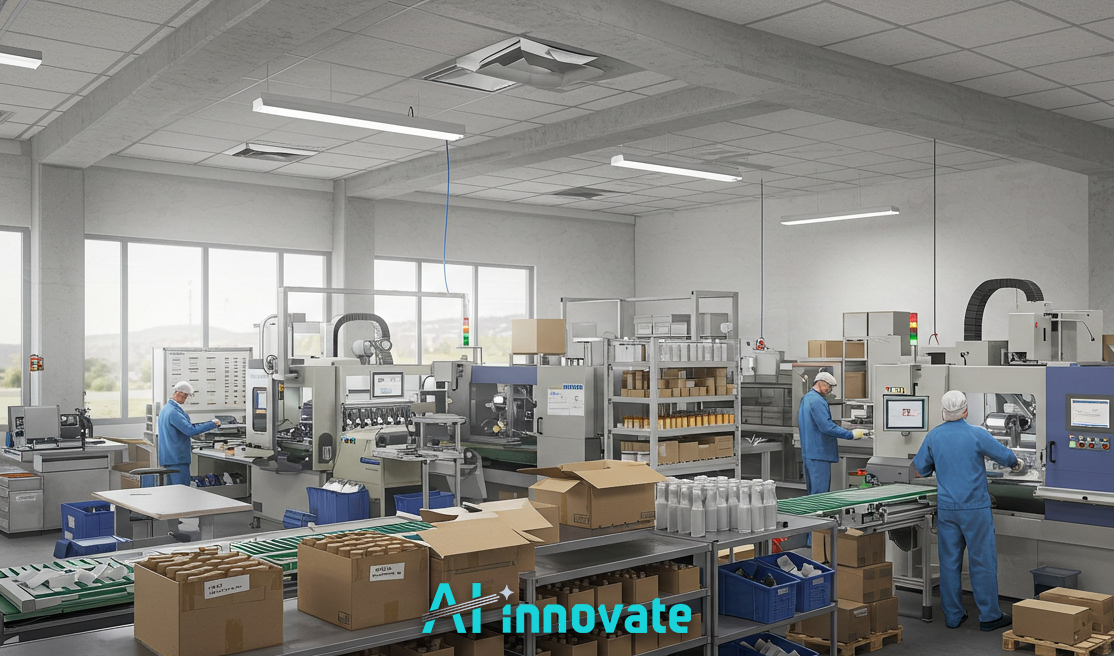
Modern factory floor with automated production line. Workers in blue uniforms operate machinery, with an active conveyor belt moving cardboard boxes and products in a bright, organized facility

Examples of yield improvement in production

The theoretical benefits of AI are compelling, but real-world results are what truly matter. The data speaks for itself across multiple industries. Consider these documented successes:

  • A leading pharmaceutical company implemented an AI solution and increased its annual product yield by 1.5%, which translated to a value creation of over $10 million per year.
  • In the highly precise world of electronics, technology giant Micron used AI to analyze its vast datasets (30 terabytes daily) and achieved a 22% reduction in scrap material.
  • One semiconductor factory was able to maintain a stable and impressive 95% yield by deploying an AI vision platform to monitor its manual assembly processes, catching human errors before they became defects.

Conclusion

The path to a zero-defect, high-efficiency manufacturing facility has become clear, thanks to intelligent tools. We’ve entered a new era of manufacturing, where we leverage yield metrics like RTY and apply AI for real-time control. Technologies like AI2Eye and AI2Cam are transforming smart factory solutions and how production lines operate, enabling faster innovation and more efficient development. Embracing continuous yield improvement is essential for building an agile, resilient enterprise prepared to lead the way into the next industrial age.

Note: Some graphics and visuals in this post were produced using AI-generated content.
FAQ

What is a good manufacturing yield?

A good manufacturing yield depends on the industry, production process, and product complexity. In high-volume manufacturing, many companies aim for a yield above 95%, while industries with strict quality requirements, such as semiconductor manufacturing and medical devices, often target yields of 98% to 99% or higher. Rather than focusing on a universal benchmark, manufacturers should continuously improve yield by reducing defects, minimizing rework, and optimizing production processes.

Manufacturing yield is typically measured as the percentage of good units produced compared to total input. It is calculated using metrics such as First Pass Yield (FPY), Rolled Throughput Yield (RTY), and overall scrap rate.

Manufacturers can improve manufacturing yield (the amount of products made) by finding the reasons for defects (problems that occur during production), making production processes the same every time, using automated quality inspection, and continuously monitoring production performance. Technologies such as AI-powered machine vision, Industrial IoT (IIoT), predictive analytics, Statistical Process Control (SPC), and real-time process monitoring help detect quality issues early, reduce scrap and rework, and increase the percentage of products that meet quality standards on the first try.

The fastest improvements usually come from analyzing defect data, stabilizing critical process parameters, and addressing repeat failure points through root cause analysis and real-time monitoring.

Small variations in temperature, pressure, speed, or material quality can cause significant increases in defects. Reducing process variation through statistical process control and automation directly improves yield.

Yes. Yield can often be improved by reducing rework, scrap, and downtime rather than adding new equipment. Better data analysis, preventive maintenance, and operator training typically lower costs while increasing output.

Production monitoring with ai

Production Line Monitoring With AI

A production line may appear smooth from a distance, but small inefficiencies can quietly accumulate beneath the surface. Slight timing mismatches, minor quality deviations, and early signs of equipment wear can gradually affect output and consistency.

Although traditional monitoring tools capture data, they often depend on fixed thresholds and delayed reporting, which makes it difficult to respond in time. As manufacturing systems become more interconnected, visibility becomes as important as automation. Artificial intelligence (AI) brings a new level of intelligence to production line monitoring by continuously analyzing operational patterns in real time. Rather than merely recording events, AI interprets them, identifying trends and anomalies before they escalate.

This article will explain how AI-driven monitoring systems work, the practical benefits they offer, and how manufacturers can use them to improve stability, efficiency, and overall production performance.

Smart Production Monitoring. Zero Downtime.

AI-powered monitoring detects inefficiencies, predicts failures, and optimizes your production line in real-time keeping operations smooth and costs under control.

Beyond Human Inspection Limits

The limits of human perception are well defined, and in a competitive manufacturing environment, they represent a tangible operational risk. An intelligent inspection system functions on a plane of precision and endurance that is physically impossible for a human team to sustain. It can register microscopic deviations consistently, hour after hour, without fatigue or variance. To truly grasp this advantage, we can examine the specific performance capabilities these systems now possess.

• Microscopic Defect Recognition: Current systems can dependably identify surface variations as small as 0.002 millimeters, a scale far beyond the capability of the naked eye. This ensures product integrity at a granular level. • High Precision Dimensional Verification: The automatic confirmation of product dimensions with an accuracy of 0.1 millimeters is a crucial function in sectors like aerospace and automotive assembly, where tolerances are minimal. • Unyielding Consistency: An AI model applies identical inspection criteria to every unit that passes its view. This removes the variable of human subjectivity and guarantees a uniform quality standard across an entire production batch.

Read Also : Machine Learning in Production – From Models to Real Impact

production line monitoring using AI

Quantifying The AI Production Uplift

While technical abilities are notable, the actual measure of a technology is its contribution to operational and financial health. For leaders in operations and quality assurance, the return on investment must be unambiguous. The implementation of Production Line Monitoring With AI creates quantifiable improvements in key business areas, which redefines factory floors, changing them from cost centers into highly efficient, value generating environments. The discussion has moved from possibility to proven results. The following table organizes key statistics from industry wide analyses, showing the tangible benefits companies report after adopting intelligent systems for quality and maintenance:

Metric Key Statistic
Overall Productivity Increase Up to 40%
Reduction in Maintenance Costs Up to 30%
Decrease in Unplanned Downtime Up to 45%
Projected Market Growth (2023-2032) From $5 billion to $68 billion

Global Leaders Adopting AI Inspection

The adoption of intelligent inspection is not a speculative future trend; it is a current, strategic reality being implemented by the most efficient and competitive manufacturers on the planet. These organizations are not merely testing a new technology; they are actively redefining industry standards for quality and output. By examining their successful applications, we gain a practical and proven blueprint for how AI-driven monitoring creates a distinct competitive advantage. Their results speak volumes, so let’s explore a few more specific examples.

Siemens: Predictive Quality Control

By analyzing tens of thousands of process variables, Siemens improved the fabrication of its circuit boards. This deep analysis allowed them to increase line throughput while simultaneously cutting the necessity for certain expensive X-ray inspections by 30%.

Toyota: Unprecedented Inspection Accuracy

As a global standard bearer for quality, Toyota has incorporated AI-assisted quality systems to increase the certainty of its component inspections. This supports the brand’s core promise of manufacturing dependable and safe vehicles.

Samsung: Semiconductor Yield Optimization

In the hyper-competitive semiconductor industry, where microscopic flaws can render a product worthless, Samsung uses AI to manage and optimize production yields. By analyzing vast datasets from the fabrication process, their systems predict and prevent defects, directly increasing profitability.

Plywood Manufacturing: A 95% Defect Reduction

A compelling case from the wood products industry saw a large plywood manufacturer transform its quality control. By implementing a machine vision system, the company reduced its product defect rate from a costly 2% down to an impressive 0.1%, leading to annual savings of over $6.8 million.

The Path To Zero Defect Manufacturing

A core ambition within modern industry is achieving “Zero Defect Manufacturing” (ZDM). This goal involves a complete strategic rethinking of production, moving toward a process where inefficiencies and flaws are systematically preempted. Initiatives such as the European InterQ project are charting this course. The journey toward ZDM is founded on the integration of several key technologies: 1. Digital Twins: A virtual simulation of the production line enables process optimization and stress testing without affecting physical operations, allowing for predictive fine tuning. 2. Virtual Sensors: Where physical sensors are impractical, AI models can infer crucial data points, providing a more comprehensive, 360 degree perspective on the line’s health. 3. Intelligent Decision Support: Real time data analysis offers operators clear, actionable insights, helping them make preventative adjustments long before a defect can occur.

Unlocking The Predictive Production Line

Effective Production Line Monitoring With AI does more than identify existing problems; it anticipates future ones. This forward looking capacity is the essence of predictive maintenance, which changes the entire maintenance philosophy. Instead of reacting to equipment failure, it allows teams to prevent it. By analyzing equipment sensor data, AI can discern subtle patterns that indicate a potential breakdown, sometimes weeks before it happens.

According to analyses by Deloitte, a well executed predictive maintenance program can reduce equipment failures by as much as 70% and increase asset uptime by 20%. This foresight converts maintenance from a reactive, high stress activity into a scheduled, methodical one. Teams can plan for repairs, manage part inventories efficiently, and keep the production line moving without sudden and costly interruptions.

Activate Your Intelligent Production Line

Understanding the potential of this technology is important, but activating it is what generates value. Whether you are a director managing the high expense of manual quality control or an engineer slowed by hardware availability, a direct solution exists. At AI Innovate, Our focus is to provide intelligent tools designed for these specific industrial and technical needs. For manufacturing leaders, real time quality control is within reach. Our ai2eye system is made to bring advanced machine vision to your production environment.

It provides constant, expert level inspection to identify defects and process inefficiencies, giving you the information needed to reduce scrap and improve output. For those ready to implement a complete Production Line Monitoring With AI framework, this is your solution. For developers and researchers, innovation should not wait on equipment delivery. Our ai2cam software is a comprehensive virtual camera emulator, perfect for prototyping and validating vision applications without physical hardware. It shortens development timelines, lowers project costs, and allows for effective team collaboration. This tool lets your team build the future, today.

Conclusion

AI-powered production line monitoring enables manufacturers to transition from reactive oversight to intelligent, real-time operational awareness. AI systems continuously analyze machine behavior and process variables to provide deeper insight into performance trends and potential risks. These insights support improved quality control, reduced downtime, and better coordination across the production environment. I think the real advantage lies in anticipation. When teams can detect small deviations early on, they can control outcomes instead of responding to disruptions after they occur. As production environments become more complex and data-rich, AI-based monitoring will define the competitiveness and resilience of manufacturing operations.

Note: Some graphics and visuals in this post were produced using AI-generated content.
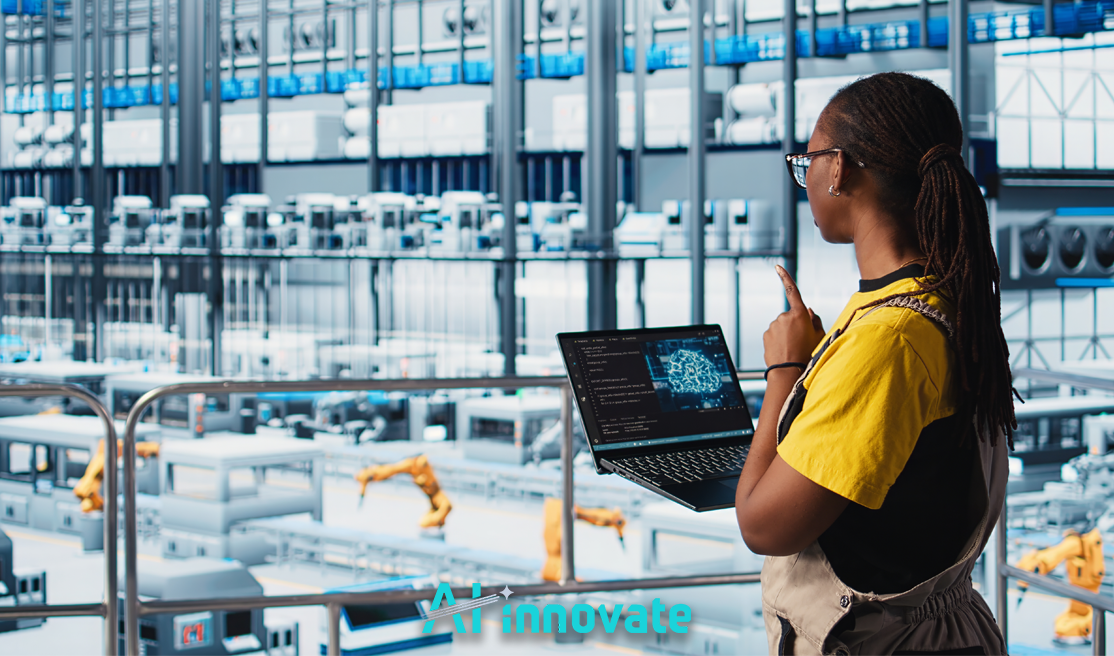
Ai-Innovate uses only high-quality sources, including peer-reviewed studies, to support the facts within our articles.

  1. Quality Magazine. (2024). Real-Time AI Inspection for Material Quality and Optimization.
    An industry article explaining how AI and machine vision systems are deployed to monitor production lines, detect defects, and support quality control.
    Retrieved from https://www.qualitymag.com/articles/97926-real-time-ai-inspection

  2. Manufacturing.net. (2023). Machine Vision and AI in Manufacturing: What You Need to Know.
    A practical resource outlining how AI and machine vision are applied across production environments to enhance monitoring, process visibility, and defect detection.
    Retrieved from https://www.manufacturing.net/automation/robotics/article/21224912/machine-vision-and-ai-in-manufacturing

  3. Rockwell Automation. (2024). Industrial Analytics and Smart Manufacturing.
    A professional guide describing how analytics and machine learning improve production monitoring, equipment visibility, and operational decision-making.
    Retrieved from https://www.rockwellautomation.com/en-us/products/capabilities/industrial-analytics.html

FAQ

What is quality control (QC) in manufacturing?

Quality control in manufacturing is the systematic process of inspecting, testing, and monitoring products throughout production to ensure they meet established standards and customer requirements. It involves identifying defects, implementing corrective actions, and continuously improving processes to maintain consistent product quality.

Quality assurance focuses on preventing defects by designing robust processes before production begins (proactive and process-oriented). Quality control detects defects by inspecting products during and after production (reactive and product-oriented). Both work together, with QA establishing the framework and QC verifying results.

Improve quality control by clearly defining standards, training personnel, implementing statistical process control, investing in modern inspection technology like AI-powered vision systems, establishing continuous improvement culture, and engaging suppliers in quality initiatives to reduce variation at the source.

Improve quality control by clearly defining standards, training personnel, implementing statistical process control, investing in modern inspection technology like AI-powered vision systems, establishing continuous improvement culture, and engaging suppliers in quality initiatives to reduce variation at the source.

AI innovate

AI for Industrial Process Control: How Intelligent Systems Prevent Problems

A chemical reactor drifts 0.3 degrees above the optimal temperature. This minor deviation is invisible to the naked eye and goes unnoticed, yet over the next six hours, it will result in thousands of dollars in wasted energy and off-spec product. Traditional control systems only detect the problem after quality parameters fail. By then, an entire batch will require rework or disposal. This scenario plays out daily in manufacturing facilities around the world. Traditional process control systems only react to problems. AI-powered systems prevent them.

For manufacturers, rising energy costs, skilled labor shortages, and intensifying global competition are big challenges. AI process control offers more than just efficiency gains. It provides the knowledge needed to keep up with the competition in an industry where profits are decreasing and expectations are increasing.

👉This article explains how AI is changing industrial process control, the technologies behind this change, and how AI-innovate‘s platform helps manufacturers use intelligent control systems that get real results.

Smarter Control , Higher Output

Let AI run the rules so you can run the results.

What Is AI for Industrial Process Control?

AI-driven industrial process control uses machine learning algorithms and advanced analytics to manage critical manufacturing variables, such as temperature, pressure, chemical concentrations or quality parameters. Unlike rule-based systems, which follow fixed instructions, These systems can adapt to shifting conditions and learn from new data. They analyze real-time sensor and equipment data, identify complex patterns across operational parameters, and autonomously adjust to maintain optimal production conditions. This helps operators maintain stability and efficiency across complex, dynamic processes.

✅ In a nutshell, AI driven process control learns from real time data, adapts to changing conditions, and automatically adjusts key variables to keep production stable, efficient, and consistent.

How Is AI Process Control Different From Traditional Control Systems?

The core difference is timing: traditional control systems react to problems after a parameter has already failed, while AI process control predicts and prevents them before they occur. Conventional systems like PID controllers and rule-based PLCs follow fixed instructions and hold variables to preset limits, but they cannot adapt when conditions shift or learn from new data. AI-driven quality control analyzes real-time sensor and visual data, recognizes complex patterns across thousands of variables at once, and adjusts automatically to keep the process optimal.

How AI Powered Industrial Process Control Works

Equipment Data Collection

  • Process: The continuous collection of data from sensors, instruments, cameras, PLCs, and IIoT devices that track temperature, pressure, flow rates, and equipment conditions.
  • Purpose: To provide a real time view of every critical process variable and capture subtle shifts before they escalate.
  • Key benefit: Ensures complete process visibility and creates a reliable foundation for predictive insights.

Data Processing

  • Process: Cleaning, filtering, and organizing raw industrial data so AI models can recognize meaningful patterns across thousands of operational parameters.
  • Purpose: To turn noisy and inconsistent data into structured inputs that support accurate prediction and control.
  • Key benefit: Improves model performance and reduces false alarms, even in complex or variable production environments.

AI Model Training and Predictive Analysis

  • Process: Machine learning models, ranging from neural networks to digital twins, are used to identify relationships between variables and replicate how the system behaves under different conditions.
  • Purpose: The goal is to detect anomalies, predict equipment issues, and identify optimal control strategies that surpass manual, rule-based approaches.
  • Key benefit: It creates a system that can anticipate production disturbances and execute corrective actions before the disturbances occur.

Actionable Insights for Strategic Decision Making

  • Process: Clear, data backed recommendations generated by the AI system that highlight root causes with varied defect analysis techniques , efficiency opportunities, risk areas, and improvement actions.
  • Purpose: To guide leaders and engineering teams in making informed operational decisions that enhance stability, reduce costs, and support long term process improvements.
  • Key benefit: Transforms raw process data into strategic intelligence, giving executives the clarity they need to improve performance, reliability, and profitability.

    How AI Powered Industrial Process Control Works

Where Is AI Used in Industrial Process Control?

AI is revolutionizing industrial operations by replacing rigid, rule-based systems with adaptive, data-driven intelligence that learns and improves continuously.

  • Chemical and Petrochemical: Companies like Shell and ExxonMobil rely on AI and digital twin technology to simulate complex reactions, optimize reactor conditions, and predict equipment failures before they happen. These systems boost product yield, cut emissions, and reduce downtime while analyzing real-time production for possible defects and market data to refine feedstock usage and ensure environmental compliance automatically.
  • Manufacturing: Automotive manufacturers like BMW use AI-powered vision systems for automated quality inspection, catching microscopic defects that manual checks miss. General Electric and Procter & Gamble deploy machine learning for predictive maintenance, forecasting equipment failures to eliminate unplanned downtime and slash maintenance costs. Collaborative robots enhance precision and workplace safety across assembly lines.
  • Energy and Utilities: AI drives smart grid management by continuously analyzing sensor data to balance electricity supply and demand. It optimizes renewable energy integration by forecasting solar and wind output, reducing waste and stabilizing grid performance. Real-time energy management systems identify inefficiencies across operations, cutting costs while improving reliability.
  • Metals and Mining: Mining operations use autonomous AI-guided machinery to navigate dangerous environments safely. AI optimizes processing plants to maximize mineral recovery while minimizing energy consumption. Computer vision automates ore sorting, and machine learning monitors environmental impacts in real-time, ensuring compliance and reducing ecological footprint.

Challenges and How to Address Them

AI enabled process control offers strong operational gains, but teams must address a few core challenges to achieve reliable results.

Inconsistent or Limited Data

  • Challenge: False predictions can result from missing values, sensor noise, and limited data ranges.
  • Solution: Improve data quality through better sensor calibration and broader data collection during model training.

Integration with Legacy Control Systems

  • Challenge: Older PLCs and SCADA platforms may not support high frequency data exchange or AI driven adjustments.
  • Solution: Introduce an edge integration layer that bridges modern analytics with existing equipment, allowing modernization without major system replacements.

Operator Trust and Model Transparency

  • Challenge: Engineers hesitate to rely on AI if they cannot see how decisions are made.
  • Solution: Use explainable AI outputs that highlight key variables, confidence levels, and reasons behind recommendations to support informed human oversight.

Scaling Across Lines or Facilities

  • Challenge: Differences in equipment, materials, and workflows make it difficult to replicate pilot results at larger scale.
  • Solution: Standardize deployment frameworks and validation steps so models remain consistent while still allowing tuning for local conditions.

Key Takeaways

Machine learning detects early signs of equipment or quality issues, allowing teams to act before problems escalate.

By analyzing sensor and visual data in real time, AI optimizes thousands of process variables simultaneously to maintain consistent quality and output.


Core AI Technologies Used in Industrial Process Control

Artificial intelligence is changing the way industrial processes are controlled. It allows manufacturing systems to analyze large amounts of data, predict problems, and improve production in real time. Modern AI-powered process control uses multiple technologies to improve production stability, product quality, equipment performance, and operational efficiency.

These technologies work together to create smart manufacturing environments where machines can check process conditions, spot problems, suggest fixes, and automatically improve production with almost no human help. Machine learning, computer vision, Industrial IoT (IIoT), and edge computing are all technologies that play a specific role in building smarter, more adaptive manufacturing systems.

AI Technology Primary Function Industrial Process Control Applications Key Benefits
Machine Learning (ML) Analyzes historical and real-time production data to identify patterns and optimize manufacturing processes. Process optimization, quality prediction, production forecasting, parameter optimization Improves process stability and production efficiency
Deep Learning Processes complex production data using neural networks to recognize patterns beyond traditional algorithms. Complex defect detection, predictive quality analysis, advanced process monitoring Higher accuracy for complex manufacturing environments
Computer Vision Uses industrial cameras and AI models to inspect products and monitor manufacturing operations automatically. Visual inspection, defect detection, dimensional measurement, assembly verification Improves quality control and reduces manual inspection
Predictive Analytics Forecasts future process behavior using operational data and statistical models. Failure prediction, production planning, maintenance scheduling Reduces downtime and improves equipment reliability
Anomaly Detection Identifies abnormal process behavior before it affects product quality or equipment performance. Process monitoring, fault detection, equipment diagnostics Early detection of manufacturing issues
Industrial Internet of Things (IIoT) Connects machines, sensors, and production equipment to collect and exchange manufacturing data. Real-time monitoring, equipment connectivity, production analytics Provides complete visibility across manufacturing operations
Edge AI Processes AI models directly on industrial devices located near production equipment. Real-time quality inspection, process control, low-latency decision making Faster response times and improved data security
Digital Twins Creates virtual representations of manufacturing processes for simulation and optimization. Process simulation, production planning, predictive optimization Reduces operational risks and accelerates process improvements
Reinforcement Learning Continuously improves control strategies by learning from production outcomes. Adaptive process optimization, autonomous control systems Supports self-optimizing manufacturing processes
Generative AI Assists engineers by analyzing production data, generating insights, and recommending process improvements. Root cause analysis, production reporting, process optimization recommendations Accelerates decision-making and engineering productivity

Achieving Intelligent Control with AI-innovate Tools

Implementing AI process control becomes systematic with purpose-built tools designed for manufacturing environments:

  1. Define process challenges and success metrics: Identify your most significant process issues, such as excessive energy consumption, quality variability, or equipment downtime. Then, establish clear metrics, such as reducing energy costs by 15 percent or improving first-pass yield to 90 percent.
  2. Use AIxCam to build predictive models: AIxCam simplifies the process of developing models for manufacturing engineers, eliminating the need for data science expertise. Simply upload process historical data and define target variables to let the platform identify optimal control strategies. AIxCam handles neural network architecture selection and validates model performance against historical results.
  3. Deploy models via Aixcore Edge Intelligence: Aixcore devices integrate directly with existing control systems through standard industrial protocols. Deployed models execute locally to ensure consistent response times, regardless of network conditions, while keeping sensitive process data within facility boundaries.
  4. Implement visual monitoring with AI2Eye: AIxEye cameras provide continuous visual process monitoring and detect conditions that traditional sensors miss. The systems identify equipment vibration patterns, material flow irregularities, and quality deviations, giving operators comprehensive situational awareness.
  5. Enable continuous improvement: Use the built-in analytics dashboards to monitor system performance. Track energy savings, quality improvements, and gains in equipment reliability. Periodically refine models as processes evolve or new products enter production.
    Transform manufacturing from reactive problem-solving to proactive optimization with intelligent process control, positioning your facility for sustained competitive advantage.

The future starts now.

AI-driven process control is the most significant advancement in manufacturing operations since computerized automation was introduced. These intelligent systems can optimize, improve reliability, and adapt in ways that traditional control approaches cannot. The manufacturing industry is changing a lot. Facilities that use intelligent process control now will get even better over time as AI systems learn and improve. Those who wait may find that they are no longer competitive because their competitors are getting better at making things and meeting quality standards.

From my experience working with industrial teams, I have found that organizations that embrace intelligent control systems gain more than just efficiency. They also gain confidence in their processes and a foundation for innovation that supports long-term competitiveness.

Note: Some graphics and visuals in this post were produced using AI-generated content.
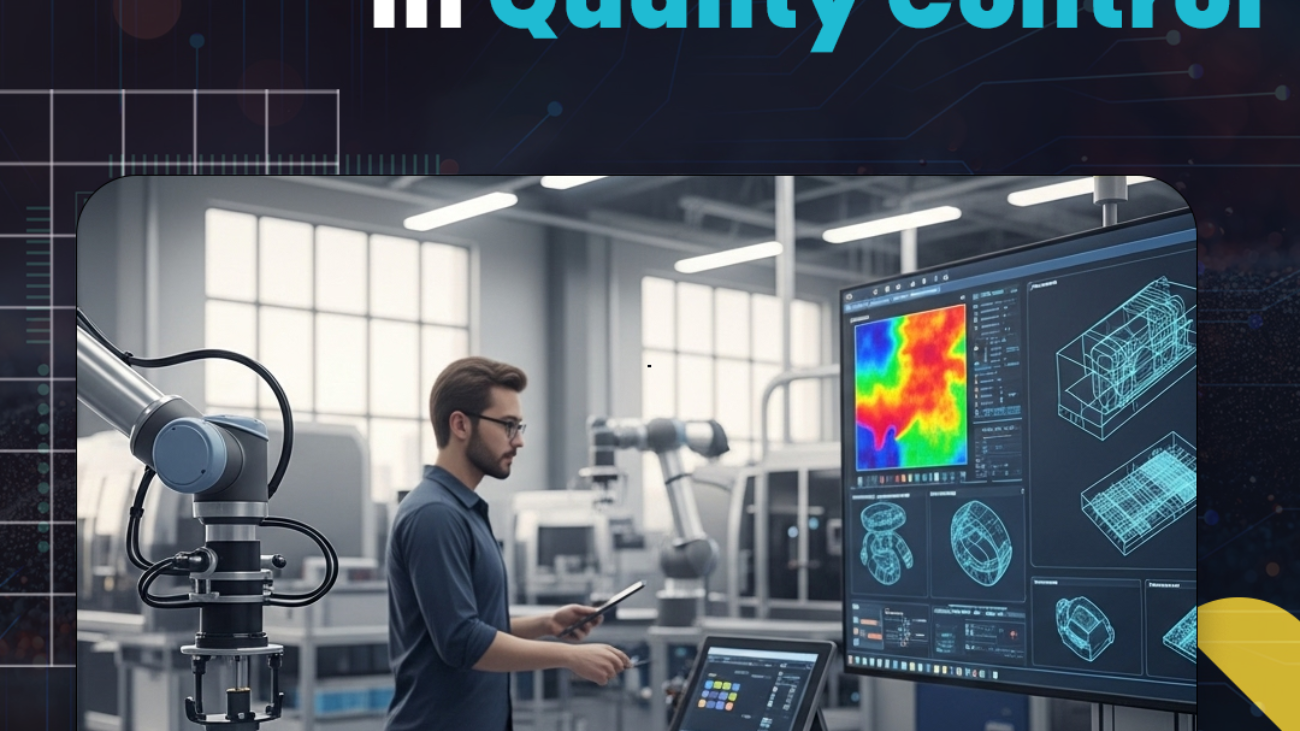
Confused About Where to Start with AI?

Our specialists help you identify the right AI approach based on your process, data, and goals.

Ai-Innovate uses only high-quality sources, including peer-reviewed studies, to support the facts within our articles.

  1. Innovation, Science and Economic Development Canada. (2024). Advanced Manufacturing and Digital Technologies. Overview of national programs that support AI adoption and industrial innovation.
    Retrieved from https://ised-isde.canada.ca
  2. National Research Council Canada. (2023). Industrial R&D Support Programs. Describes federal initiatives that fund applied research in AI, automation, and process control.
    Retrieved from https://nrc.canada.ca
  3. Government of Canada. (2024). Canadian Industry Statistics: Manufacturing Sector. Provides economic and operational insights for manufacturers adopting digital and AI based technologies.
    Retrieved from https://ised-isde.canada.ca/site/canadian-industry-statistics

FAQ

Can AI integrate with existing control systems (like SCADA, MES, ERP)? 

Yes, AI is designed to integrate with existing systems through sensors and IoT devices. It enhances existing automation infrastructure by adding intelligent, adaptive capabilities rather than completely replacing them.

Upskilling the workforce is essential. Employees need training to effectively use and manage AI technologies, interpret AI-driven insights, and focus on higher-value problem-solving and strategic tasks.

Key technologies include:

  • Machine Learning (ML): For predictive analytics and anomaly detection.
  • Computer Vision: For automated quality control and inspection.
  • Digital Twins: For simulating and optimizing processes virtually.
  • Predictive Analytics: To forecast equipment failures and demand.
AI for Process Monitoring

AI for Process Monitoring – Precision in Every Step

Problems like unexpected downtime, changing processes and slow identification of the root cause of problems cost manufacturers a lot of time and money every year. Studies show that even one hour of unexpected downtime can cost thousands, yet many production lines still rely on manual checks and delayed reporting.

The usual process of monitoring doesn’t work well in today’s fast, information-rich manufacturing environments. Often, operators only receive information after an issue has already resulted in waste or additional work.

AI process monitoring changes this dynamic by converting live operational data into immediate, actionable insights. It helps manufacturers spot early problems, predict how equipment will behave, and make sure the quality is always the same every shift.

This article offers a practical, technical guide to implementing AI-driven process monitoring. It outlines the key components, strategic frameworks, and enabling technologies that empower manufacturers and engineers to achieve unmatched efficiency, precision, and quality in their production environments.

Real-Time Insights with AI Monitoring

Track, detect, and act before downtime hits.

From Manual Oversight to Intelligent Monitoring

The demands of high-precision manufacturing can no longer be met by traditional process oversight, which is still rooted in manual inspection and reactive monitoring. Human perception is limited by fatigue, inconsistency, and scale. Conventional monitoring systems only identify problems after they occur.

AI-driven process monitoring changes this dynamic entirely. These systems analyze time-series data from sensors, equipment logs, and production metrics to detect early warning signs, such as subtle parameter drifts, machine wear, or emerging quality deviations, long before they escalate into failures.

The shift from human-dependent inspection to algorithmic intelligence is more than a technological upgrade; it is a fundamental transformation in manufacturing philosophy. Oversight evolves from a manual, lagging process into a continuous, data-driven engine of quality and performance improvement.

Core Features of AI Process Monitoring Software

AI process monitoring software continuously collects, analyzes, and interprets operational data from production equipment. This helps manufacturers maintain stable, efficient, and high-quality manufacturing processes. Unlike conventional monitoring systems, which merely display production data, AI-powered platforms can identify hidden patterns, detect abnormal operating conditions, predict process deviations, and recommend corrective actions before product quality or equipment performance is impacted.


Modern AI process monitoring software uses a combination of artificial intelligence, Industrial Internet of Things (IIoT), machine learning, edge computing, and advanced analytics to transform large volumes of manufacturing data into actionable operational insights.

Core Feature Description Manufacturing Benefit
Real-Time Process Monitoring Continuously monitors production data from machines, sensors, and industrial equipment to detect process changes as they occur. Improves operational visibility and enables faster decision-making.
AI Anomaly Detection Uses machine learning algorithms to identify unusual equipment behavior and process deviations before they affect production quality. Reduces unexpected failures and minimizes quality issues.
Predictive Analytics Analyzes historical and real-time manufacturing data to forecast process trends and potential production risks. Supports proactive process optimization and maintenance planning.
Automated Alerts Sends immediate notifications when production parameters exceed predefined thresholds or abnormal conditions are detected. Accelerates corrective actions and reduces downtime.
Machine Learning Models Continuously learn from operational data to improve prediction accuracy and adapt to changing production conditions. Enhances long-term process stability and inspection performance.
Interactive Dashboards Visualizes production performance, equipment status, quality metrics, and operational trends through centralized dashboards. Provides actionable insights for operators and production managers.
Historical Trend Analysis Stores and analyzes production history to identify recurring issues, process variability, and long-term performance trends. Supports continuous improvement initiatives and root cause analysis.
Multi-Line Monitoring Monitors multiple production lines, facilities, or manufacturing cells from a single software platform. Improves operational consistency across manufacturing sites.
Edge AI Processing Processes AI models close to production equipment to deliver low-latency analysis and immediate responses. Enables reliable real-time process monitoring with minimal network delays.
MES and ERP Integration Integrates with Manufacturing Execution Systems (MES), Enterprise Resource Planning (ERP), PLCs, SCADA platforms, and Industrial IoT devices. Creates a connected manufacturing environment with end-to-end process visibility.

Ensuring Data Integrity in AI Monitoring

The effectiveness of any algorithmic oversight system is fundamentally anchored to the quality of its input data. The principle of ‘garbage in, garbage out’ has never been more relevant. An AI model, no matter how sophisticated, will produce unreliable insights if fed with inconsistent, incomplete, or inaccurate data.

This concept of data fidelity—the trustworthiness of data in its operational context—is the true bedrock of successful AI for Process Monitoring. Achieving it requires a disciplined approach to the entire data lifecycle. To better understand the pillars supporting data fidelity, consider the following critical factors:

  • Systematic Sensor Calibration: Ensuring that all measurement instruments are meticulously and regularly calibrated to maintain accuracy and eliminate drift over time.
  • Consistent Data Collection Protocols: Establishing and enforcing standardized procedures for data acquisition to guarantee uniformity across different shifts, machines, and production runs.
  • Accurate and Contextual Anomaly Labeling: Providing clean, well-documented, and context-rich labels for training data, which is essential for supervised machine learning models to learn effectively.

From Anomaly Detection to Root Cause Analysis

Early AI systems in manufacturing were primarily focused on a binary task: identifying anomalies. A system could flag a product as defective, but it couldn’t explain why. Today, the technology has evolved into a far more powerful diagnostic tool.

Modern AI-driven platforms move beyond simple defect detection to perform sophisticated root cause analysis. By analyzing vast datasets from multiple points in the production line, these systems can identify subtle patterns and correlations that precede a fault.

This capability represents a paradigm shift from reactive problem-fixing to proactive process optimization. For instance, the system may correlate a minute temperature fluctuation in an extruder with the appearance of surface blemishes on a polymer sheet ten minutes later—an insight impossible to glean through manual observation alone.

Read Also: Defect Detection in Manufacturing – AI-Powered Quality

Machine Vision Process Interrogation

At the core of modern industrial automation is the ability to not just see, but to understand. This is the domain of machine vision, a field that, when coupled with AI, becomes a powerful tool for process interrogation.

It actively scrutinizes every step of production, searching for deviations from the optimal standard. This technology is essential for industries where visual perfection is paramount, from flawless finishes in metal defect detection to uniform color in textiles. For Operations and QA Managers looking to implement robust AI-driven quality control, the challenge lies in deploying a system that is both powerful and seamlessly integrated.

Machine Vision Process Interrogation

Visualization and Alerting Mechanisms

The value of AI-driven process monitoring mainly is in its ability to detect anomalies and deliver insights to operators. Effective systems integrate real-time dashboards that clearly and actionably visualize sensor data, performance trends, and anomaly alerts. Automated notifications via control room interfaces, mobile devices, or integrated SCADA systems ensure that deviations are addressed immediately. Advanced platforms incorporate prioritization logic that flags critical anomalies above minor deviations, reducing alarm fatigue and improving operator response times.

AI2Eye: Real-Time Quality Assurance in Action

At AI-innovate, our AI2Eye system is engineered to meet this challenge head-on. It serves as an intelligent set of eyes on your production line, enabling a level of precision that transcends human capability. Consider its direct benefits for your operations:

  • Real-time Defect Analysis: Instantly identifies surface defects, assembly errors, and other imperfections as they occur, allowing for immediate corrective action.
  • Waste and Rework Reduction: By catching flaws early, AI2Eye minimizes scrap and the costly process of manual re-inspection and rework.
  • Process Optimization Insights: Moves beyond mere inspection to analyze workflow patterns, identify systemic bottlenecks, and provide data-backed recommendations for improvement.

Harness the power of AI2Eye to transform your quality control from a cost center into a driver of competitive advantage.

Reducing Hardware Dependencies in Development Cycles

Developing new machine vision applications usually involves acquiring, setting up, and testing physical cameras and lighting equipment. This hardware-centric approach presents several challenges, including extended setup times, higher costs, and difficulty coordinating work across distributed teams.
Software-hardware decoupling addresses these limitations by enabling development and testing without physical equipment dependencies. This approach reduces development cycle time and enables teams to iterate more efficiently.

AI2Cam: Accelerating Development with Virtual Cameras

To address this critical need, AI-innovate developed AI2Cam, a sophisticated camera emulation tool designed for developers. It empowers technical teams to accelerate their innovation cycle significantly. Here’s how AI2Cam removes common development obstacles:

  • Accelerated Prototyping: Simulate a vast array of industrial cameras, resolutions, and environmental conditions directly on a computer, enabling rapid testing and iteration.
  • Reduced Development Costs: Eliminates the need to invest in expensive physical camera hardware during the prototyping and testing phases.
  • Enhanced Collaboration and Flexibility: Allows distributed teams to work on the same virtual setup, fostering seamless remote collaboration and innovation.

With AI2Cam, you can empower your engineers to build and refine the next generation of machine vision solutions faster and more affordably.

Strategic Implementation Frameworks

Successfully deploying an AI for Process Monitoring solution is not merely a technical task; it is a strategic initiative that requires a clear and structured plan. Adopting an ad-hoc approach often leads to pilot projects that fail to scale or deliver the expected ROI.

A disciplined, phased framework is essential to align the technology with specific business objectives and ensure a smooth integration into existing workflows. Drawing from established methodologies like Lean Six Sigma and best practices in technology adoption, we recommend a clear roadmap for implementation.

The following steps outline a proven path to success:

  1. Define a Focused Business Case: Start by identifying a high-impact problem. Clearly define the Key Performance Indicators (KPIs) you aim to improve, such as reducing a specific type of defect by X% or increasing throughput by Y%.
  2. Assess Data Infrastructure and Fidelity: Evaluate the quality, accessibility, and consistency of your current data sources. Ensure that sensor data is reliable and that a mechanism for accurate labeling is in place.
  3. Execute a Controlled Pilot Project: Select a single production line or process for the initial deployment. This allows you to test the solution in a contained environment, measure its impact against the predefined KPIs, and build internal expertise.
  4. Monitor, Refine, and Scale: Continuously track the performance of the AI model. Use the insights generated to further refine the process and, once proven, develop a phased rollout plan for wider implementation across the facility.


Quantifying Operational and Financial Gains

Ultimately, the adoption of any new technology in an industrial setting is judged by its ability to deliver measurable returns. The implementation of AI for Process Monitoring translates directly into tangible operational and financial improvements that resonate at the executive level.

The gains move far beyond abstract concepts of “efficiency,” providing quantifiable data on core business drivers. This is especially true in areas like machine learning for manufacturing process optimization, where incremental improvements aggregate into significant financial impact. The transition is stark when viewed through key performance metrics, as the following table illustrates:

Metric Traditional Monitoring AI-Powered Monitoring
Defect Detection Rate 70–85% (Manual Inspection) >99.5% (Automated AI Inspection)
Scrap and Rework Baseline 20–50% Reduction
Production Downtime Reactive Response (Hours) Predictive Response (Minutes)
Production Throughput (UPH) Baseline 5–15% Increase

These figures demonstrate a clear and compelling business case. By leveraging AI to optimize quality and efficiency, organizations can unlock substantial value, turning their production data into a strategic asset that drives profitability and market leadership.

The implementation of effective AI for Process Monitoring is thus not just a technological upgrade but a fundamental investment in the financial health of the enterprise.

Conclusion

AI-powered process monitoring is changing the way organisations understand and manage their production systems. By combining real-time data analysis with adaptive learning models, manufacturers can gain earlier insight into process deviations, equipment behaviour and quality risks. This results in greater stability, reduced waste and more informed operational decisions. As AI systems evolve, they are becoming integral to creating robust and efficient industrial environments.

From my experience of working with data-driven manufacturing systems, I would say that the greatest advantage of AI monitoring is clarity. When teams can see what is happening across their processes in real time, they can move from reacting to problems to preventing them. Looking ahead, AI-powered monitoring will play a pivotal role in shaping smarter, more self-regulating production systems that will support long-term competitiveness.

Note: Some graphics and visuals in this post were produced using AI-generated content.
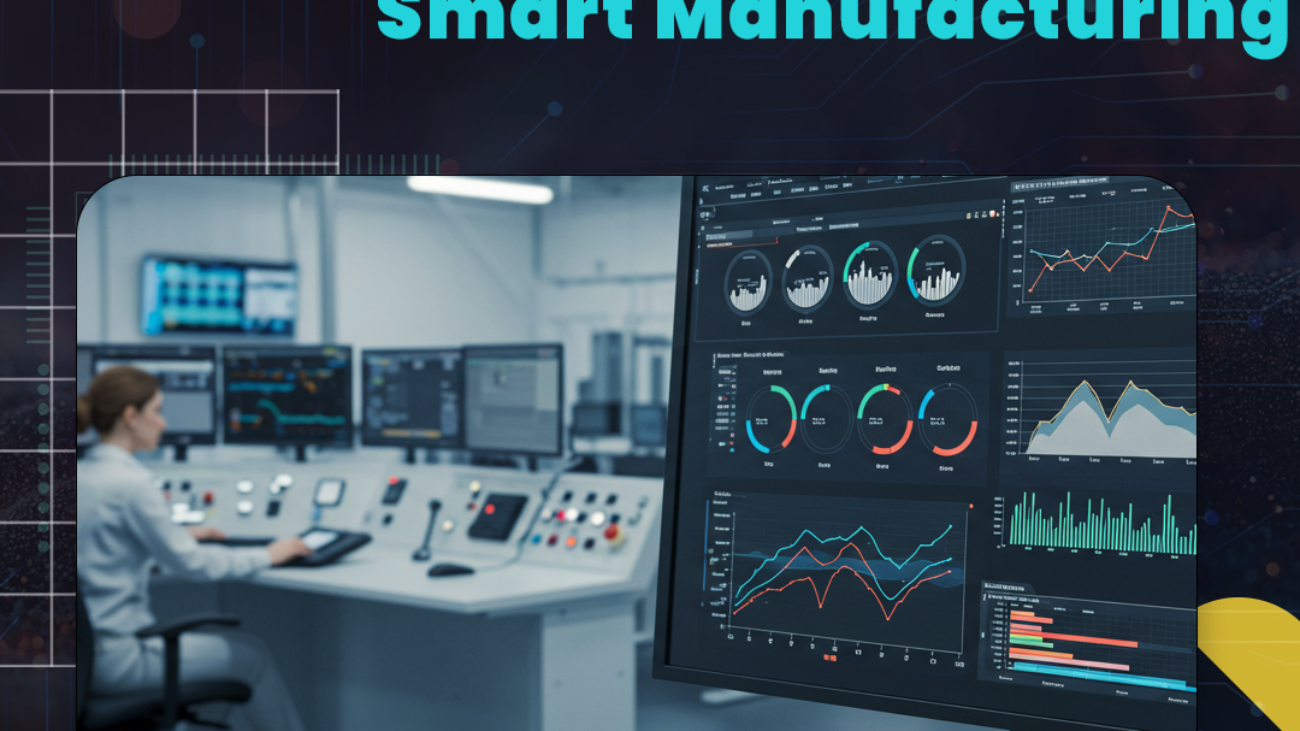
FAQ

How does AI help reduce downtime?

By detecting early warning signals and performance deviations, AI enables maintenance teams to intervene before problems escalate into major failures.

Yes. Most AI solutions integrate with existing sensors, PLCs, and control systems, allowing manufacturers to upgrade monitoring capabilities without replacing core infrastructure.

Unlike rule-based systems, AI learns from historical and real-time data. This allows it to adapt to changing conditions and detect issues that fixed thresholds may miss.

AI process monitoring software analyzes production data from sensors, industrial equipment, and connected systems to learn normal operating conditions. When the software identifies unusual patterns, unexpected process variation, or equipment behavior that differs from established baselines, it immediately alerts operators and recommends corrective actions before quality issues or equipment failures occur.

Yes. Modern AI process monitoring software integrates with Manufacturing Execution Systems (MES), Enterprise Resource Planning (ERP) platforms, SCADA systems, programmable logic controllers (PLCs), Industrial IoT devices, machine vision systems, and industrial sensors. This allows manufacturers to enhance process visibility and optimize production without replacing existing automation infrastructure.

Ai-Innovate uses only high-quality sources, including peer-reviewed studies, to support the facts within our articles.

  1. IBM Think. (2024). AI in Manufacturing: Enhancing Efficiency and Precision.
    An industry overview explaining how artificial intelligence supports process monitoring, quality control, and performance optimization in manufacturing environments.
    Retrieved from https://www.ibm.com/think/topics/ai-in-manufacturing

  2. Siemens Digital Industries. (2023). Artificial Intelligence in Industrial Automation.
    A technical resource describing how AI is applied to process monitoring, predictive analytics, and operational optimization in industrial systems.
    Retrieved from https://www.siemens.com/digital-industries/artificial-intelligence

  3. Rockwell Automation. (2024). Using AI and Analytics for Smart Manufacturing.
    A practical guide outlining how AI-driven analytics improve process visibility, equipment performance, and decision-making on the factory floor.
    Retrieved from https://www.rockwellautomation.com/en-us/products/capabilities/industrial-analytics.html

  4.