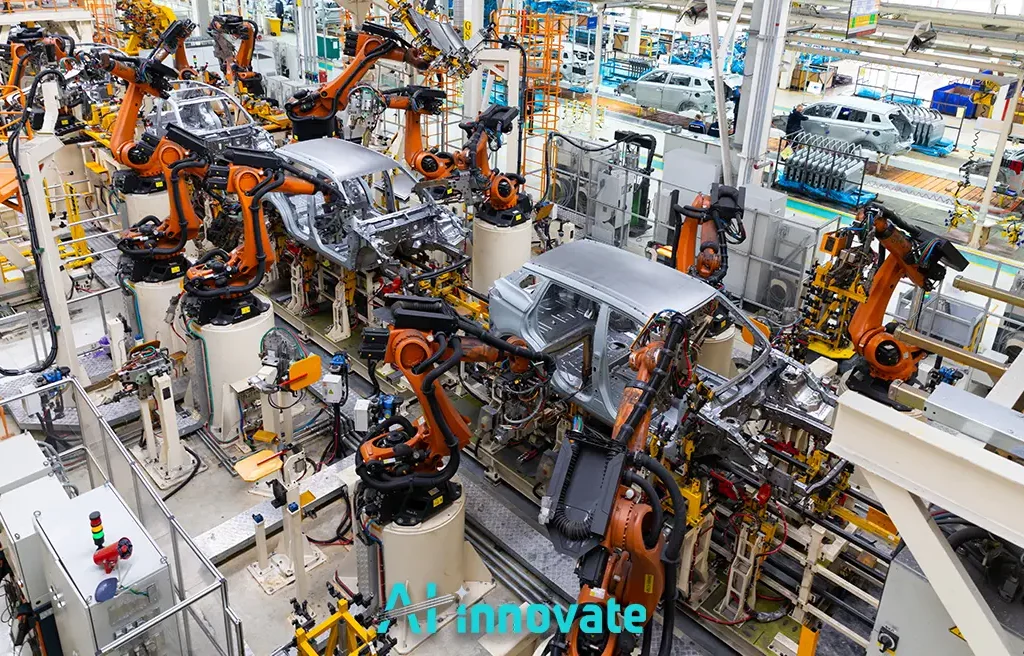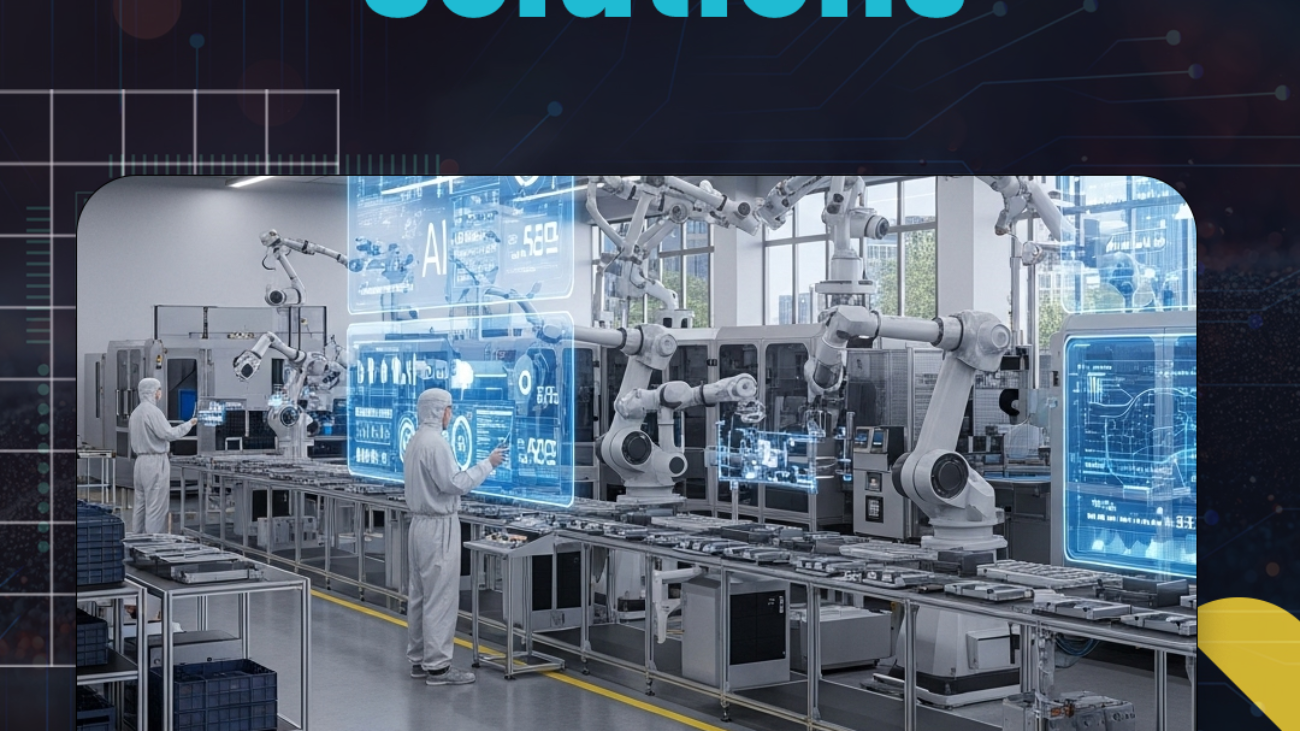
AI Inspection for Electronics

How AI Inspection for Electronics and PCB Production Improves Quality

As a manufacturer, you already know that accuracy, consistency, and the ability to adapt quickly to today’s competitive market are essential for staying ahead of the game. Electronics are becoming smaller and more complex all the time, so the traditional inspection methods aren’t enough anymore. That’s where AI inspection for electronics and PCB production comes in.

While the advantages are significant, it’s important to understand the full picture before making any decisions about adopting or expanding AI-based inspection systems.

In this guide, we’ll look at what AI inspection in this context is, how it works in PCB manufacturing, what it’s made up of technically, and the pros and cons.

Better Products , Smarter Detection

Automate inspection and reduce waste with AI.

Defining AI Inspection in Electronics Production

AI inspection uses machine learning and advanced vision systems to check the quality of circuit boards and electronic assemblies. Cameras, X-ray systems and deep learning models all work together to automatically spot problems that would be difficult or impossible to detect with standard inspection tools.

AI can analyze things like solder joints, how well the parts are lined up, the surface conditions and any hidden features under BGAs or QFNs. Instead of just following the rules, it learns patterns from examples. This means it can spot subtle defects, adapt to new board designs and deliver reliable results, even in high-mix or fast-moving production lines.


Why AI Plays an Important Role in PCB Inspection

PCB assemblies are made up of really small components, they have a dense layout and the solder connections are very detailed. As complexity grows, it’s crucial that inspections are fast and accurate enough to catch issues early without slowing down production. AI can help with this by learning how to spot normal manufacturing variations from real defects. Here’s a closer look at how the process typically works:

  • Real-time decision making: Results are shared instantly so production teams can take action before problems spread.
  • Defect classification: The system flags issues such as misalignment, solder bridges, insufficient paste, voids, or missing components.
  • Pattern recognition: Deep learning models compare these images with thousands of examples representing both acceptable and defective conditions.
  • Image capture: Cameras or x-ray systems take high-resolution images of the board as it moves through production.
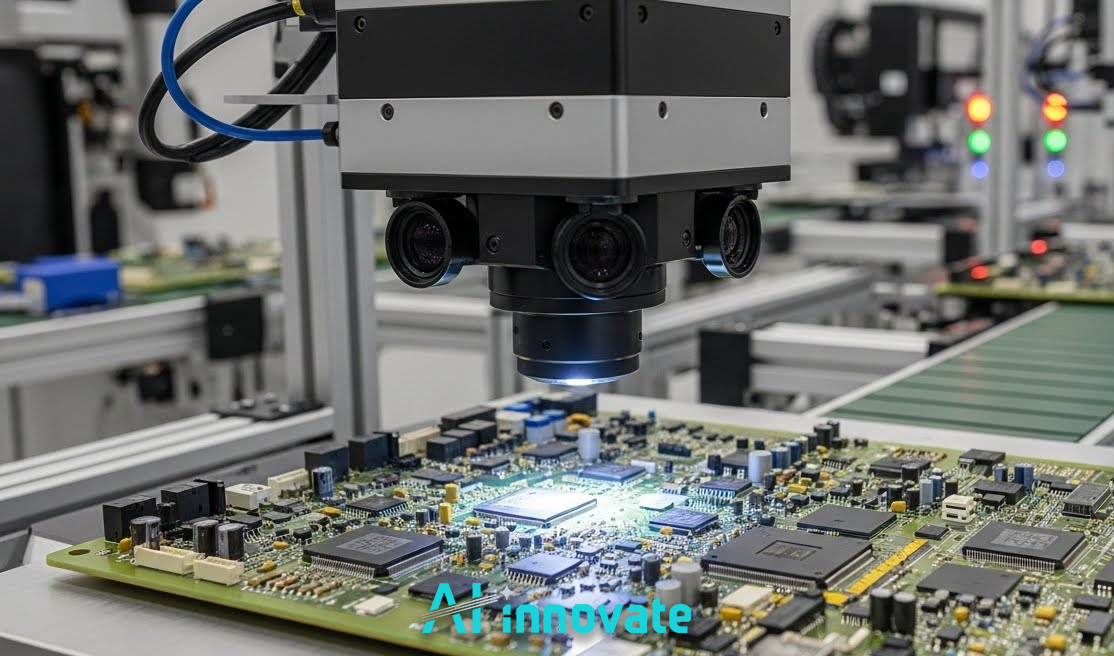
AI-powered vision system inspecting a printed circuit board on a production line, detecting electronic defects with high-precision cameras and automated quality control.

Technical Composition: Hardware and Software Working Together

The hardware is what captures and handles the visual data used during inspection. High-resolution industrial cameras and lenses take clear images of PCBs even in fast production environments. Then, the images are sent to an AI inference server to be processed.

Servers with GPUs, like an NVIDIA T4, are great for analyzing lots of image data quickly. With this setup, the system can detect defects in a flash, which means it can keep up with real-time production.

For example, a board with 1,500 solder joints is photographed, uploaded, and fully analyzed in under 200 milliseconds. Before the next PCB even reaches the inspection gate, the system has already decided whether the current one has issues such as a lifted lead or a solder bridge.

The software gives you the power to make decisions during the inspection process. Instead of sticking to fixed rules like you get with traditional machine vision, deep learning uses loads of image samples to work out how different defects look.

The system builds its own models from this data and gets better over time as more examples are collected. This method helps it spot complex defects that don’t follow simple patterns, like stains, scratches, or irregular solder shapes.

Imagine a new batch of components arrives with leads that have a slightly different surface finish. Traditional rule-based inspection would trigger hundreds of false alarms because reflectivity changed. But the AI system, after seeing a few dozen examples, automatically adapts and continues passing boards correctly while still catching genuine issues.

Benefits of AI Inspection for Electronics and PCB Production

The benefits include, but aren’t limited to:

  • Higher detection accuracy: AI can spot subtle defects better by looking at patterns instead of using fixed rules.
  • Greater efficiency: Inspection can keep up with fast SMT cycles, helping production flow smoothly without any bottlenecks.
  • More consistent results: Automated learning is better than human inspection or rigid rule-based systems because it reduces the variability.
  • Improved visibility: Real-time insights help teams see how they’re doing across the line, so they can plan and adjust in advance.
  • Support for complex board designs: As electronics get smaller and smaller, AI is really helpful for spotting problems that the human eye might miss.

Limits of AI Inspection for Electronics and PCB Production

Although it’s highly valuable, AI inspection has some limitations as well, including:

  • Initial setup costs: High-quality imaging equipment and training datasets require significant early investment.
  • Need for skilled personnel: Teams need to know how to use AI systems, understand the results, and react when something unexpected happens.
  • Dependence on good data: If training images are inconsistent or sensors are misaligned, the system’s accuracy may be affected.
  • Adjustment time for new designs: AI models work best with strong datasets. When a new product is launched, the system might need some extra training to work its best.

Conclusion

AI inspection is now a vital part of making PCBs and electronics. If manufacturers understand what it can offer and where it may have limits, they can decide how to integrate it in ways that bring the most value to their operations. I think that if you use AI inspection for electronics and PCB production in the right way, it can make things more reliable in the long term. As with any major technology shift, the key is to take a data-driven approach before committing to full adoption.

Note: Some graphics and visuals in this post were produced using AI-generated content.
Confused About Where to Start with AI?

Our specialists help you identify the right AI approach based on your process, data, and goals.

Ai-Innovate uses only high-quality sources, including peer-reviewed studies, to support the facts within our articles.

  1. Robovision. (2024). Visual AI Inspection for PCB Assembly Quality Control. Retrieved from https://robovision.ai/blog/visual-ai-inspection-for-pcb-assembly-quality-control

  2. NextPCB Blog. (2024). AI in PCB Assembly: Quality Inspection and Defect Detection. Retrieved from https://www.nextpcb.com/blog/ai-pcb-assembly-quality-inspection

  3. Quality-Line. (2024). AI-Powered Visual Inspection in PCB Manufacturing. Retrieved from https://quality-line.com/ai-visual-inspection-pcb-manufacturing-2

FAQ

Does AI replace human inspectors entirely?

No, AI is designed to enhance human roles. AI excels in high-volume, repetitive tasks, while human experts remain critical for strategic decision-making, handling complex edge cases, and compliance oversight.

Manufacturers typically see significant benefits, with the ROI often achieved in less than 12 months. Benefits include reduced rework and scrap costs (15-30%), increased production throughput, and lower operational expenses associated with manual labor.

Yes, many modern AI solutions are designed as flexible software overlays that can integrate seamlessly with your current AOI (Automated Optical Inspection) or AXI (Automated X-ray Inspection) hardware.

Deployment times are often fast, with some systems able to be trained and ready for the production line in under an hour. Other, more complex integrations might take a few weeks.

Machine Learning in Manufacturing

Machine Learning in Manufacturing: A Complete Guide

Up to 30% of production downtime is preventable, yet most factories struggle to identify problems promptly. Factories today face rising costs and relentless competition. Unplanned downtime not only slows production but also drives up costs and can affect product quality. But, through machine learning, systems can study past and current data to identify patterns and optimize operations, which is precisely what makes it important in manufacturing.
👉In this guide, we’ll understand what role machine learning plays in manufacturing in greater detail.

Machine Learning in Manufacturing, Smarter Decisions.

From predictive maintenance to quality optimization, machine learning is transforming manufacturing. Unlock real-time insights, improve efficiency, and drive continuous innovation across your production line.

Machine Learning in Manufacturing: Understanding Its Role and Applications

Machine learning (ML) allows systems to learn from data and make predictions, detect patterns, or recommend actions. When applied to manufacturing, it uses algorithms and data-driven models to improve and automate various processes.

✅Basically, Machine learning helps manufacturing systems learn from data to predict, detect patterns, and automate processes.

Key use cases of machine learning in manufacturing include:

  • Predictive Maintenance: Planning maintenance ahead of time cuts down on the risks and costs of unexpected breakdowns.
    • For example, vibration sensors on motors can catch unusual patterns early on.
  • Quality Control: Visual checks and data analysis are used to quickly spot defects. Machine learning may scan production data for defects, while computer vision can automatically detect tiny cracks in metal parts on the assembly line.
    • For example, these systems can do automatic surface defect detection in metal parts on the assembly line, reducing manual inspection time.

  • Demand Forecasting: ML uses market data to accurately predict future product demand.
    • For instance, if ML anticipates higher demand for a product during a specific season, production can be increased to meet that demand.
  • Product Development: Machine learning speeds up product development by analyzing customer feedback and performance data. It shortens creation time and enhances features, while also suggesting design changes.
    • So, algorithms can highlight which product features users value most, guiding design improvements and shortening development cycles.
  • Production Optimization: ML finds the best ways to operate machines and resources. It also automatically adjusts machine settings based on sensor data to optimize material usage.
    • By analyzing sensor data in real time, the system can automatically adjust machine settings to minimize waste and energy consumption.
  • Digital Twin: It’s a virtual version of a physical system that uses data and ML to simulate operations. It predicts outcomes and tests changes without impacting actual production.
    • Engineers can simulate process changes on the digital twin to predict performance outcomes without interrupting production.

Transforming Manufacturing with Machine Learning: Real-World Applications and Impact

Machine learning is used across manufacturing sectors in various processes, such as:

  • Food Manufacturing: Computer vision automatically sorts food products by size, shape, or quality. ML can also analyze data to determine the ripeness of fruits and vegetables quickly and accurately, and clean equipment without full disassembly.
  • Automotive Manufacturing: ML boosts self-driving cars by detecting objects, making decisions, and predicting outcomes. It improves the driving experience by understanding driver commands and emotions, and also catches manufacturing defects.
  • Semiconductors & Computer Manufacturing: ML detects microscopic defects in semiconductor wafers during production and optimizes chip architecture, design layouts, and testing.
  • Plastic Products Manufacturing: ML sorts recyclable plastics automatically based on type and color and predicts the ideal molding parameters (temperature, pressure, and cycle time) to minimize defects and material waste.

Key Takeaways

Machine learning transforms manufacturing from reactive problem-solving to proactive optimization. By analyzing production data in real time, ML predicts failures, detects defects instantly improving product quality.

It optimizes processes and smarter decision-making. Technologies like computer vision and predictive analytics allow manufacturers to simulate, test, and adjust operations without disrupting production.

Manufacturing Companies Successfully Using Machine Learning

Some of the world’s leading manufacturers are already seeing results from machine learning, using it to improve their operations. For instance:

  • ZF Group applies ML in the automotive parts industry to predict equipment failures and maintain product quality.
  • Siemens also uses its MindSphere IoT platform to combine predictive maintenance, quality control, and digital twin technology.
  • General Motors (GM) uses ML in predictive maintenance and generative design, cutting downtime by 15% and saving about $20 million annually.
  • VEO Robotics focuses on industrial automation. Their systems use predictive analytics to improve safety, reduce manual labor, and boost productivity.

Together, these companies demonstrate how ML is helping manufacturers operate smarter and stay competitive in a rapidly changing industry.

Machine Learning-Based Technologies Used in Manufacturing

As previously mentioned, the right machine learning technology is essential to getting the desired results. Amongst your options are predictive analytics, IPA, and computer vision. Here’s how each one works:

  • Predictive Analytics: Predictive analytics use data, statistical algorithms, and ML to forecast future outcomes based on historical and real-time information.
  • Intelligent Process Automation (IPA): IPA combines Robotic Process Automation (RPA) with AI and ML to automate complex tasks. Unlike traditional automation, IPA can adapt and make decisions based on data.
  • Computer Vision (CV): CV is a branch of AI that allows computers and machines to see, interpret, and make decisions based on visual data.

Pros and Cons

As with everything, leveraging ML in manufacturing comes with many benefits and potential limitations. To see the bigger picture better, let’s go through the advantages and disadvantages.

Pros

Some of the benefits of integrating machine learning in manufacturing are:

  • Improved Decision Making: Using ML makes it easier to make decisions by using data. The real-time gathering and processing of data makes it all the more convenient.
  • Energy Efficiency: ML predicts energy needs and optimizes machine operation times to lower peak energy usage, which reduces energy consumption and environmental impact.
  • Cost Reduction: Using ML means reduced waste, rework, and downtime. By using predictive analytics, better material usage and maintenance is achieved.
  • Quality Assurance: ML can reliably detect faults and eliminate the potential for human error, which means improved overall product quality.

At AI-innovate, we’re using machine learning with AIxEye and AIxCam to make manufacturing smoother. AIxEye helps keep an eye on things in real time, spotting problems early and making sure quality stays consistent. Meanwhile, AIxCam lets teams play around with camera setups before they go live, which boosts data collection and model accuracy. Together, these tools make integrating machine learning in manufacturing a lot easier and more effective.

Cons

Using ML in manufacturing may come with some challenges:

  • Data Requirements: ML needs large amounts of high-quality data to operate effectively. Incomplete, inconsistent, or poor-quality data can lead to unreliable predictions and outcomes.
  • Data Security and Privacy Risks: Increased connectivity of devices and networks may lead to more cyber-attack opportunities in ML-based manufacturing systems.
  • Unclear ROI (Return on Investment): Benefits of ML may take time to show. Companies may struggle to measure immediate returns compared to costs.
  • Integration Challenges: Combining ML systems with existing equipment or production software can be complicated.

Global Companies Successfully Using Machine Learning in Manufacturing


Leading manufacturers across the world are adopting machine learning (ML) to improve production efficiency, enhance quality control, and enable predictive decision-making across industrial operations.
These real-world implementations demonstrate how ML is transforming manufacturing from reactive systems into intelligent, data-driven environments.

ZF Group

ZF Group uses machine learning to strengthen quality control and predictive maintenance across its global manufacturing facilities.


Their AI-driven systems analyze real-time sensor data from production equipment to:

  • Detect early signs of machine wear
  • Reduce unplanned downtime
  • Maintain consistent product quality across plants


This enables ZF Group to shift from reactive maintenance to predictive, data-driven operations.

Siemens

Siemens integrates machine learning into its MindSphere industrial IoT platform, enabling advanced industrial analytics and automation.

Machine learning is used to:

  • Predict equipment failures before they occur
  • Optimize energy consumption across production systems
  • Automate complex manufacturing workflows


This results in improved operational efficiency and reduced industrial operating costs at scale.

General Motors (GM)

General Motors applies machine learning across its production and engineering processes to improve both manufacturing efficiency and product design.

Key applications include:

  • Real-time monitoring of production lines for defect detection
  • Advanced analytics for quality assurance
  • Early-stage design optimization using manufacturing data


ML enables GM to detect issues earlier in the production lifecycle and improve overall vehicle quality.

Veo Robotics

Veo Robotics uses machine learning and computer vision to improve human-robot collaboration in industrial environments.


Their systems enable:

  • Real-time detection of human presence in robotic workspaces
  • Safer interaction between operators and industrial robots
  • Continuous productivity without compromising safety standards


This application is particularly important in high-speed assembly environments where safety and efficiency must coexist.

Conclusion

Machine learning is becoming an essential part of modern manufacturing. It helps factories use data effectively to predict maintenance needs, improve quality, and optimize production.

It’s safe to say that machine learning is shaping a smarter and more connected future for the entire manufacturing industry. As global competition grows and production systems become more complex, the ability to learn from data is no longer optional. Machine learning is quickly moving from a valuable advantage to a critical necessity for manufacturers that want to stay efficient, adaptable, and sustainable in the years ahead.

Note: Some graphics and visuals in this post were produced using AI-generated content.
Ai-Innovate uses only high-quality sources, including peer-reviewed studies, to support the facts within our articles.

  1. Tech-Stack Blog. (2024). How Machine Learning Is Improving Manufacturing. Explores real-world examples of how ML enhances production efficiency, quality control, and predictive maintenance.
    Retrieved from tech-stack.com

  2. Business.com. (2024). Machine Learning and Manufacturing. Discusses the growing role of ML in optimizing operations, reducing costs, and driving innovation in manufacturing industries.
    Retrieved from business.com

  3. IBM Think. (2024). AI in Manufacturing: Enhancing Efficiency and Precision. Highlights how artificial intelligence and ML improve accuracy, reduce downtime, and boost productivity in manufacturing.
    Retrieved from ibm.com

  4. Itransition. (2024). Machine Learning in Manufacturing. Outlines practical use cases and implementation strategies for machine learning across production processes.
    Retrieved from itransition.com

  5. NetSuite Blog. (2024). Machine Learning in Manufacturing: Best Practices and Use Cases. Covers enterprise-level insights on how ML integrates with ERP systems to optimize production and supply chains.
    Retrieved from netsuite.com

  6. Precog. (2024). AI & ML in Manufacturing. Provides definitions, applications, and industry trends explaining how AI and ML are transforming production environments.
    Retrieved from precog.co

  7. SynapseIndia. (2024). 10 Steps to Implementing Machine Learning in the Manufacturing Industry. Offers a step-by-step approach to introducing ML technology into manufacturing workflows.
    Retrieved from synapseindia.com

  8. Kaaylabs. (2024). Advantages and Challenges of Machine Learning in Manufacturing. Examines both the opportunities and limitations of ML adoption in industrial settings.
    Retrieved from kaaylabs.com

  9. CTND Digital. (2024). Advantages of Machine Learning in the Manufacturing Industry. Discusses how ML-driven automation and data insights enhance productivity and cost efficiency.
    Retrieved from ctnd.com

  10.  

Confused About Where to Start with AI?

Our specialists help you identify the right AI approach based on your process, data, and goals.

FAQ

How is machine learning used in manufacturing?

To analyze large volumes of production data to identify patterns, predict outcomes, and optimize operations.

By drawing insights from real-time data, sourced from IoT devices, ERP software, and external feeds.

Machine learning forecasts demand, optimizes inventory levels, and improves logistics efficiency. It can predict delays, recommend alternative suppliers, and identify risks early.

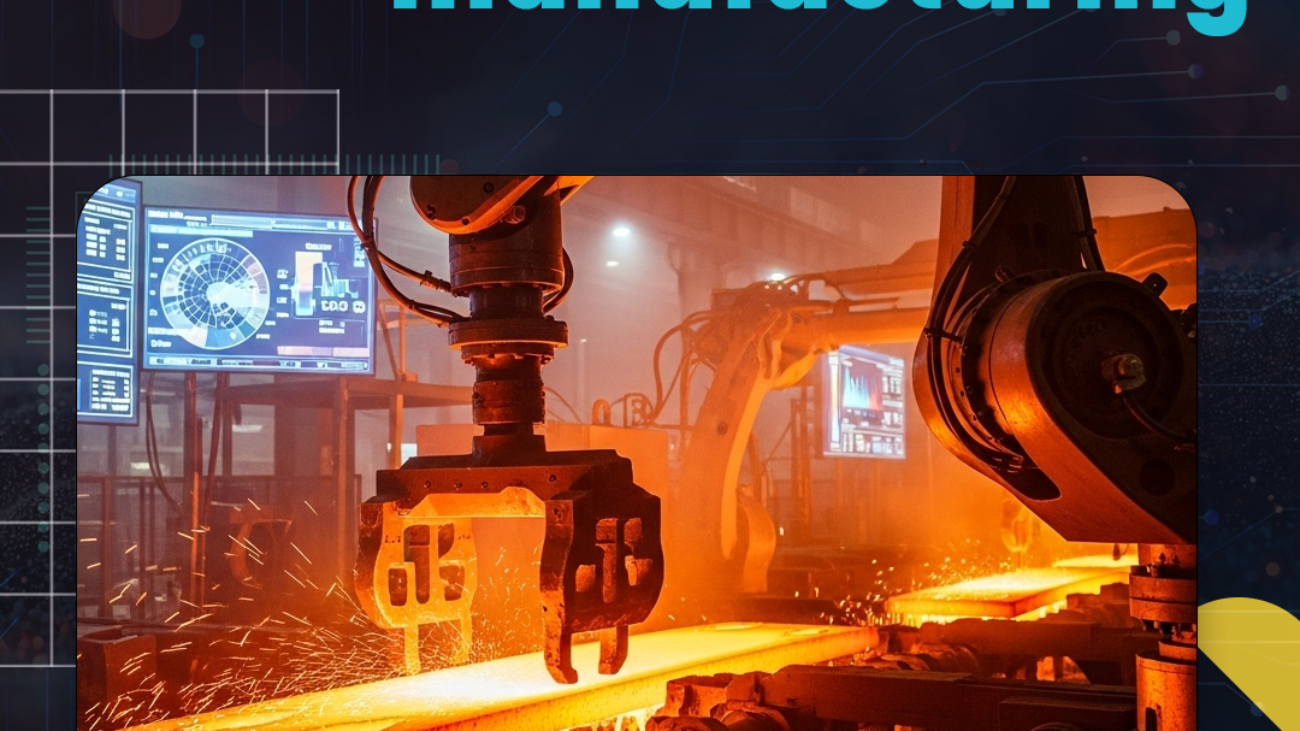
AI in Steel manufacturing

AI in Steel manufacturing

The steel industry is a massive, trillion-dollar pillar of the global economy. For decades, it has relied on established processes. But today, it stands at a turning point. Artificial intelligence is here to redefine efficiency and quality. This isn’t about futuristic concepts; it’s about practical tools that solve real problems. At AI-innovate, we create these intelligent solutions. Our focus is on bringing AI from the lab to your production line. This article explores how AI is revolutionizing Steel manufacturing, turning data into your most valuable asset.

AI in Steel Production Smarter Production Smarter Production

Integrate AI into every stage of steel manufacturing  from quality inspection to process optimization. Detect defects early, improve yield, and achieve consistent, high-grade steel with intelligent automation.

The New Face of Steel: How Artificial Intelligence Is Transforming an Old Industry

Artificial intelligence is breathing new life into the steel sector. It moves operations from reactive fixes to proactive control. AI algorithms analyze real-time data from countless sensors on the production line. They monitor temperature, pressure, and chemical composition with incredible precision.

This allows for instant adjustments that enhance quality and efficiency. Leading companies are already seeing impressive results. For instance, ArcelorMittal successfully reduced product defects in its automotive steel by 15% using an AI-powered system. This technology is not just an upgrade; it’s a necessary evolution.

The Need for Accurate and Relevant Data

AI’s power is directly tied to the quality of its data. To be effective, machine learning models need a constant stream of high-quality information. In steel production, this means capturing every detail. Data from furnaces, rolling mills, and cooling systems all contribute to a complete picture. Without this detailed data, an AI system cannot learn to distinguish a minor hiccup from a critical flaw. Many plants install modern IoT sensors on older equipment for this reason. A robust data infrastructure is the true foundation for a successful digital transformation in the industry.

Read Also : Machine Learning in Production–From Models to Real Impact

Applications of AI in Steel Manufacturing

With a solid data foundation, AI’s applications become transformative. The impact is felt directly on the factory floor in several key areas. These are practical benefits that redefine what is possible in modern Steel manufacturing. Here’s a closer look at where the technology makes a real difference.

Preventing Errors Before They Occur

The best way to manage defects is to prevent them entirely. AI makes this possible through real-time AI-driven quality control. AI-powered computer vision systems act as tireless inspectors. They can spot microscopic cracks and surface flaws with over 95% accuracy. This is a task no human team could ever match. Our system, AI2Eye, was designed for this exact purpose. It brings cutting-edge defect detection directly to your production line. Catching issues instantly means less waste, fewer slowdowns, and a stronger bottom line. In fact, some plants have cut quality-related complaints by nearly 40% with this approach.

Improved Product Quality

Consistency is the hallmark of quality steel. AI ensures every batch meets exact specifications. The system analyzes thousands of data points to predict the final properties of the steel. It then makes subtle adjustments to the production process automatically.

This data-driven approach removes guesswork and human error. Voestalpine, another industry leader, managed to reduce its final product defect rate by more than 20% by using AI-driven computer vision. The result is a more reliable and valuable product for the end customer.

Cost Reduction and Energy Efficiency

Operational costs are a major concern in Steel manufacturing. AI tackles this challenge head-on. Predictive maintenance algorithms can forecast equipment failures. This reduces unplanned downtime by as much as 30%, saving significant repair costs.

AI also optimizes energy consumption. By fine-tuning furnace operations and material mixtures, plants can lower their energy bills substantially. Major producers have reported energy savings between 5% and 7% by using AI to guide their smelting processes. These small percentages translate into millions of dollars in annual savings.

Data-Driven Insight

Beyond immediate process control, AI delivers invaluable long-term insights. It transforms raw production data into clear, actionable intelligence. These insights can reveal hidden bottlenecks in the supply chain or improve demand forecasting by up to 10%.

This empowers managers to make smarter, data-backed decisions. For the technical teams pioneering these new solutions, tools that accelerate the development cycle are crucial. That’s why we developed AI2Cam. It’s a virtual camera emulator that allows developers to test machine vision applications without needing physical hardware, saving time and resources.

Conclusion

The evolution of steel production is no longer just about stronger alloys. It is about smarter processes built on intelligent data. By embracing AI, companies can achieve remarkable gains in quality, efficiency, and sustainability. The tools to begin this transformation are available now. This new chapter in Steel manufacturing is not a future possibility; it is a present reality.

FAQ

How is AI used in steel manufacturing processes?

AI is used to monitor production lines, optimize furnace operations, predict equipment failures, and inspect steel surfaces for defects using computer vision systems.

Yes, AI analyzes operational data to optimize temperature control, fuel usage, and production schedules, helping steel manufacturers lower energy costs and reduce emissions.

AI improves quality by detecting defects early, maintaining consistent processing conditions, and predicting quality issues before they affect final products.

AI in packaging manufactoring

AI is Transforming Packaging Manufacturing

The packaging sector is evolving faster than ever. Once defined by mechanical efficiency, it now faces demands for greater intelligence, sustainability, and precision. Artificial intelligence is the critical technology meeting this challenge. It moves operations beyond simple automation to create truly responsive systems. AI is Transforming Packaging Manufacturing, turning data into a powerful asset for quality and efficiency. At AI-innovate, we develop practical AI tools to solve these real-world industrial challenges. This article provides a clear guide to understanding AI’s powerful impact on the packaging industry.

AI in Packaging Smarter Production Flawless Results.

From defect detection to material optimization, AI is revolutionizing packaging manufacturing. Boost efficiency, reduce waste, and deliver perfect packaging every time with intelligent automation.

AI in Packaging?

When we discuss AI in packaging, we’re talking about a fundamental shift from automated repetition to intelligent adaptation. AI systems learn from production data, enabling them to make predictive and optimized decisions that were previously impossible. This integration delivers significant and measurable returns for manufacturers. To better understand its impact, consider these core benefits:

  • Drastic Waste Reduction: AI-powered quality control catches defects in real-time. This minimizes scrap material and faulty products. Some applications have reduced packaging material use by up to 30%.
  • Enhanced Operational Efficiency: AI optimizes production schedules and automates complex tasks. This leads to faster throughput and streamlined processes, increasing overall output.
  • Predictive Maintenance: Smart sensors integrated with AI can predict machinery failures before they happen. This proactive approach avoids costly downtime and extends the life of valuable equipment.
  • Guaranteed Quality and Consistency: AI vision systems inspect products with a level of precision that humans cannot sustain. This ensures a higher standard of quality, which strengthens brand reputation.

AI improving packaging Design

The influence of AI begins long before the production line starts. It is a powerful partner in the design phase, where smart algorithms help create better packaging from the ground up. By analyzing factors like material strength, weight, and consumer trends, AI can generate design options that are both structurally sound and appealing to the market.

This data-first approach shows how AI is Transforming Packaging Manufacturing from the very first step. A key challenge, however, is testing how these new designs will perform in automated systems.

For developers creating these machine vision applications, our AI2Cam software provides a vital solution. It is a virtual camera emulator that allows engineers to prototype and test their software without needing physical hardware. This accelerates innovation, reduces development costs, and allows teams to collaborate remotely and efficiently.

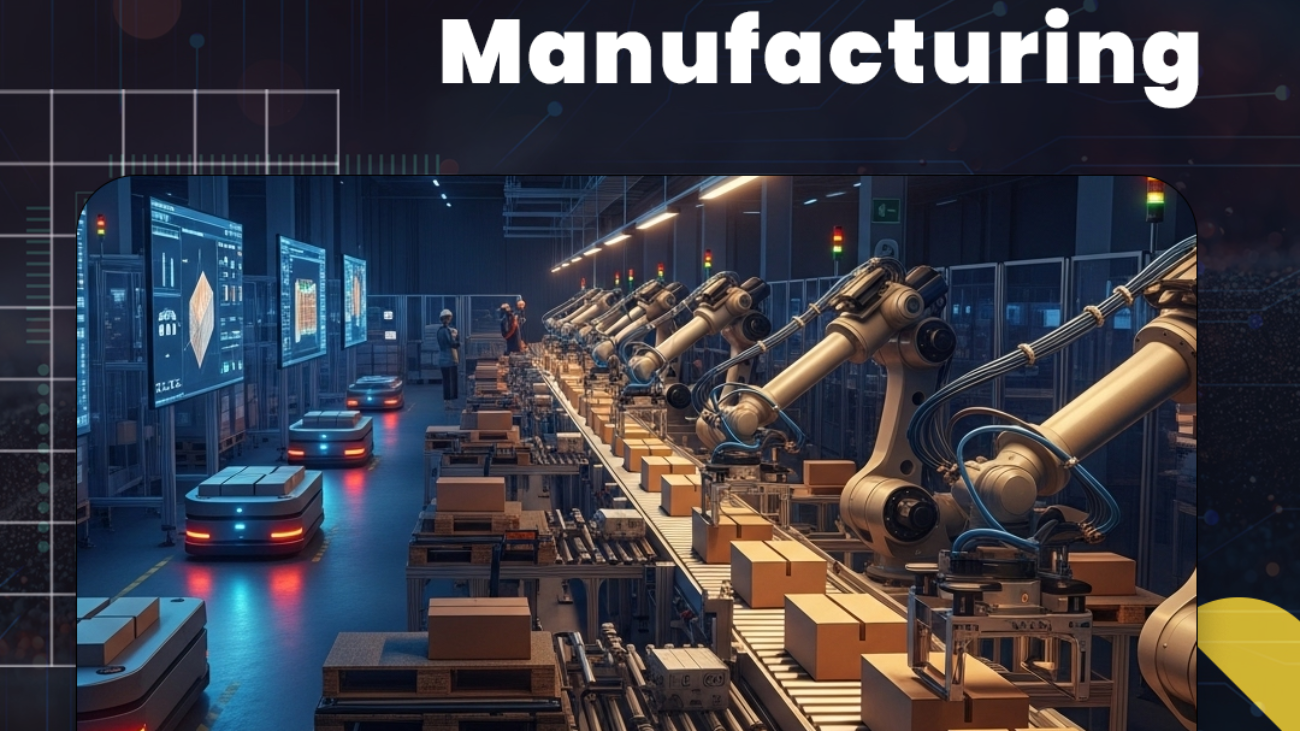
Automated factory production line with multiple silver robotic arms placing products into cardboard boxes on a conveyor belt, next to a monitor displaying AI production data and graphs.

Speed and precision with AI

On the factory floor, the combination of speed and precision is essential. This is where AI-powered machine vision systems excel. They can inspect thousands of units per minute, identifying microscopic defects like cracks in bottle caps or tiny misalignments in labeling that are invisible to the naked eye.

This capability goes far beyond human inspection, ensuring every product meets exact quality standards without slowing down production. Solutions like our ai2eye system are a clear example of how AI is Transforming Packaging Manufacturing.
Our AI2Eye system integrates directly into the manufacturing line, acting as a set of super-powered eyes. It performs real-time defect detection and also analyzes the entire process to identify hidden bottlenecks.
By providing data-driven insights, AI2Eye helps operators make adjustments that boost efficiency, reduce waste, and guarantee a higher-quality final product for industries from polymers to packaging.

Read Also : AI Defect Detection Solutions

Optimising Distribution and Sustainability

AI’s impact extends far beyond the factory, reshaping logistics and advancing sustainability goals. In distribution, intelligent algorithms analyze variables like traffic, weather, and fuel costs to optimize delivery routes.
This doesn’t just speed up delivery; it can cut logistics costs by up to 25%. At the same time, AI is a crucial tool for sustainability. For example, Lenovo used an AI system to reduce its packaging materials by 35% and cut its carbon emissions by 50,000 kg.

AI also helps create a circular economy by improving waste-sorting technologies and helping designers select eco-friendly, recyclable materials. Navigating these opportunities requires expertise. We encourage you to reach out to our team to discuss how AI can optimize your specific operations.

AI reshaping the packaging industry

The evidence points to a clear and exciting future. From designing sustainable materials to ensuring flawless quality control and optimizing global supply chains, artificial intelligence is no longer a theoretical concept. It is a practical, powerful, and essential tool for modern industry. The journey shows that AI is Transforming Packaging Manufacturing for the better, making it smarter, faster, and more responsible. This intelligent revolution is creating new opportunities for growth and innovation across the entire sector.

Note: Some graphics and visuals in this post were produced using AI-generated content.

The Role of AI in Industry 5.0 feature image

The Role of AI in Industry 5.0

Industry 5.0 is not a replacement for Industry 4.0 but its strategic evolution, shifting the focus from pure automation to nuanced human-machine collaboration. This new industrial paradigm places human ingenuity and well-being at the core of manufacturing processes, empowered by intelligent systems. At AI-innovate, our mission aligns with this transformation by creating practical AI tools that solve critical challenges on the factory floor. This article moves beyond general concepts to provide a technical and data-driven analysis of The Role AI in Industry 5.0, exploring its tangible impacts on operations, innovation, and the workforce.

AI in Industry 5.0 Smarter, Human-Centric Manufacturing.

Discover how AI drives Industry 5.0 by combining automation with human creativity. From personalized production to sustainable processes, AI is shaping a future where people and machines innovate together.

The Human-Centric Industrial Evolution

The foundational distinction of Industry 5.0 is its deliberate pivot toward human-centricity. As defined by European policy frameworks, this approach prioritizes the worker’s well-being within the production process, using technology not to replace, but to augment human capabilities. The goal is to create a collaborative environment where the creativity and problem-solving skills of humans are amplified by the precision and endurance of machines, achieving a “1+1>2” effect. This marks a significant paradigm shift from automation for its own sake to a more synergistic and value-driven collaboration. To clarify this evolution, the table below highlights the core differences:
Aspect Industry 4.0 Industry 5.0
Core Focus Automation & Efficiency Collaboration & Well-being
Primary Driver Technology-centric Human-centric
Objective Profitability Value, Sustainability, Resilience
Technology’s Role To replace manual tasks To assist and augment humans
 Read Also : Machine Learning in Industry 4.0 – Transforming Operations

Algorithmic Precision in Manufacturing

The practical execution of Industry 5.0 hinges on the seamless convergence of Information Technology (IT) and Operational Technology (OT), a process orchestrated by artificial intelligence. AI algorithms are capable of analyzing vast datasets from the factory floor in real-time, enabling a level of precision and predictive insight previously unattainable. The technical engine driving this transformation is a powerful mechanism known as the data feedback loop. The Role of AI in Industry 5.0 image 1

The Data Feedback Loop

This convergence creates a powerful feedback cycle: OT systems, such as sensors and cameras on the production line, generate massive volumes of operational data. IT systems powered by our AI algorithms in the cloud or at the edge, process this data to uncover patterns and prescribe actions. These insights are then fed back to the OT layer, allowing machinery to make autonomous, real-time adjustments. This virtuous cycle of data generation, analysis, and action is the technical cornerstone of the modern smart factory.

From Insight to Action (Key Applications)

This closed-loop system enables several critical applications that drive operational excellence. Below are some of the important ones:
  • Predictive Maintenance: AI models analyze sensor data from machinery to forecast potential failures, allowing maintenance to be scheduled before a breakdown occurs, minimizing downtime.
  • Supply Chain Optimization: Algorithms dynamically adjust logistics and inventory levels based on real-time production data and market demand, creating a more resilient and efficient supply chain.
  • Real-Time Quality Control: Machine vision systems powered by AI can detect microscopic deviations or surface defects on a production line—a task that requires superhuman precision and is central to our work with tools like AI2Eye.

Quantifying AI’s Industrial Impact

For industrial leaders, the value of Industry 5.0 must be reflected in measurable outcomes. The adoption of AI-driven collaborative systems is not a theoretical exercise; it delivers substantial and quantifiable returns on investment. The financial and operational gains are clearly documented in recent industry analyses, painting a clear picture for strategic decision-making. Here are some of the key metrics that demonstrate this impact:
Metric Recorded Impact
Reduction in Production Downtime 30% – 50%
Reduction in Quality-Related Costs 10% – 20%
Improved Operational Efficiency 82% of companies report significant improvement
Market Growth Projection (CAGR) Over 31.5% annually through 2032
 

Turning Data into Dividends

The figures presented above are not merely abstract statistics; they represent tangible solutions to persistent operational challenges. For context, a survey involving over 300 manufacturing specialists revealed that one-third of them contend with significant operational delays multiple times per week. Therefore, a 30-50% reduction in downtime isn’t just an efficiency gain, it’s a fundamental solution to a chronic industry bottleneck. Similarly, the 10-20% drop in quality-related costs is a direct result of enhanced algorithmic precision, with other industry reports confirming that 76% of companies implementing AI-powered inspection achieve superior accuracy. This ground-level operational impact is what fuels the massive market growth, with multiple analysts projecting the smart manufacturing sector to soar past $990 billion by 2032, cementing its role as a primary driver of economic value. The Role of AI in Industry 5.0 image 2

Simulating Reality with Generative AI

Beyond optimization, AI is a powerful catalyst for innovation, particularly through the use of Generative AI to enhance Digital Twins. A Digital Twin is a virtual replica of a physical system, but its effectiveness depends on the quality of data used. This is where Generative AI provides a breakthrough, creating vast amounts of realistic synthetic data to simulate complex scenarios without needing physical hardware. For developers and ML engineers, this means perfecting algorithms before they encounter a single physical product. This capacity for advanced simulation defines The Role AI in Industry 5.0 as an accelerator of innovation.

Accelerated Prototyping

Developers can test machine vision models under thousands of simulated conditions—different lighting, angles, and camera models—drastically reducing the development lifecycle. Our AI2Cam emulator is built on this very principle, offering a virtual environment for rapid iteration.

De-risking Innovation

By testing new processes or quality control algorithms in a risk-free virtual space, companies can identify potential flaws and optimize solutions before committing to expensive capital investments, ensuring a higher probability of success.

Navigating the New Labor Landscape

A primary concern for any industrial transformation is its effect on the workforce. The narrative of automation often centers on job displacement, but data suggests a more complex reality of job evolution. The shift toward a collaborative, AI-integrated workplace redefines roles rather than simply eliminating them, placing a premium on new skills. A 2020 World Economic Forum report projected that while automation might displace 85 million jobs by 2025, it is also expected to create 97 million new roles across 26 countries. This transition necessitates a focus on upskilling and reskilling employees to manage, interpret, and work alongside intelligent systems. The future factory floor requires a workforce adept at human-AI teaming, where technology handles repetitive analysis, and humans apply critical thinking and strategic oversight.

From Theory to the Factory Floor

Bridging the gap from strategic vision to tangible results requires specialized tools designed for the challenges of Industry 5.0. Translating concepts like real-time quality control and virtual prototyping into operational reality is precisely where we focus our expertise. Our solutions directly embody The Role AI in Industry 5.0 by delivering practical, intelligent tools tailored to the needs of both industrial leaders and technical developers. For Operations Directors and QA Managers grappling with the high costs of manual inspection, our AI2Eye system offers a powerful solution. It leverages machine vision to automate defect detection with unparalleled accuracy, reducing waste and boosting efficiency in industries from textiles to metals. For Machine Learning Engineers and R&D Specialists facing hardware-related project delays, our AI2Cam camera emulator provides an essential software tool. It eliminates the reliance on physical cameras for testing, enabling faster prototyping and remote collaboration. To explore how these solutions can be integrated into your operations, we invite you to connect with our specialists.

Conclusion

The transition to Industry 5.0 represents a move toward a more resilient, sustainable, and human-centric industrial model. Embracing this transformation is no longer a choice but a strategic imperative for competitive advantage. For industry leaders, The Role AI in Industry 5.0 is about fundamentally reshaping our industrial future to be more intelligent, collaborative, and prepared for the challenges ahead. Note: Some graphics and visuals in this post were produced using AI-generated content.
FAQ

How is Industry 5.0 different from Industry 4.0 in terms of AI usage?

Industry 5.0 focuses on human-centric, sustainable, and resilient manufacturing, while Industry 4.0 emphasizes automation and connectivity. In Industry 5.0, AI supports human decision-making instead of fully replacing human roles.

AI assists workers through collaborative robots, decision-support systems, predictive maintenance tools, and real-time quality insights, helping operators work more safely and efficiently.

AI optimizes energy usage, reduces material waste, improves yield, and enables circular manufacturing practices by predicting inefficiencies and environmental impact.

Automotive, electronics, aerospace, healthcare manufacturing, and advanced materials industries are early adopters due to their high customization, quality, and compliance requirements.

Digital Twins and 3d Printing AI

Digital Twins and 3D Printing AI

The boundary between physical manufacturing and its digital counterpart is dissolving, giving rise to an era of data driven production. At AI-innovate, we operate at this intersection, developing intelligent software solutions that address critical industrial challenges.

Our mission is to embed practical AI and machine vision into specialized sectors to deliver measurable results. This article explores how the fusion of Digital Twins and 3D Printing is fundamentally reshaping additive manufacturing, moving it from a linear process to a dynamic, self optimizing ecosystem. We will examine the core mechanics, tangible benefits, and strategic implications of this powerful technological synergy.

Powered Digital Twins. AI- Smarter 3D Printing.

Leverage AI-driven digital twins to simulate, optimize, and accelerate 3D printing processes. Predict issues before they happen, reduce material waste, and achieve flawless production with unmatched efficiency.

Unifying Virtual Models With Physical AM

The concept of a digital twin goes far beyond a static 3D model. It is a dynamic, real time digital counterpart to a physical manufacturing process. This is not merely a blueprint but a living, connected entity that continuously mirrors its physical sibling through a constant stream of data from embedded sensors.

It understands the state, condition, and behavior of the real world operation at any given moment. In the context of additive manufacturing (AM), this persistent link is transformative. By creating a virtual replica of the entire print process, from material deposition to cooling, manufacturers gain unprecedented visibility. This unification of the virtual and physical realms allows for sophisticated intelligent monitoring and pre production optimization, ensuring that potential issues are identified and resolved in the digital space long before they manifest as costly physical defects.

Digital Twins and 3D Printing AI

The Sensor Driven Algorithmic Core

The “magic” behind this synergy lies in a clear, logical process: data collection feeds intelligent analysis. It begins with a network of Internet of Things (IoT) sensors embedded within the 3D printing equipment. These sensors act as the nervous system of the operation, gathering massive volumes of critical data in real time. The true power, however, is unlocked when artificial intelligence processes this information. Machine learning algorithms, such as linear regression or support vector machines, analyze these complex datasets to identify patterns and forecast anomalies that would be invisible to human operators. This data driven approach is what elevates the entire system from simple automation to genuine autonomy. This process involves a precise flow of information, from capturing raw data points to extracting actionable intelligence. Key data types collected and analyzed include:

  • Thermal Imaging Data: Controlling heat is crucial in 3D printing. By watching for hot and cold spots across the printing surface in real time, the system can predict where the material might warp or crack under stress. AI uses this thermal data to make tiny adjustments, ensuring the final part is strong and perfectly formed, which drastically cuts down on wasted material.
  • Layer Thickness and Consistency: Every single layer of the print must be perfect. Sensors measure the thickness and evenness of each layer to ensure it matches the design’s exact measurements. This guarantees that even the most complex parts are built with total precision, resulting in a flawless final product that functions exactly as intended.
  • Material Flow Rate: The printer must use just the right amount of material at all times. Too little or too much can create tiny, invisible gaps or weak points inside the part. AI manages the flow rate constantly, ensuring the finished product is solid, dense, and can handle the real world forces it was designed for.
  • Sounds and Vibrations: Believe it or not, a 3D printer’s sound tells a story. Our systems learn the normal sounds and vibrations of the machine when it’s operating perfectly. By listening for tiny changes, the AI can detect early signs of a mechanical problem, like a clogged nozzle or a straining motor. This allows for predictive maintenance, preventing a small issue from causing a major print failure.

Shifting From Reactive To Predictive QC

Historically, quality control (QC) in manufacturing has been a reactive discipline; a defective part is produced, and only then is it identified and discarded. This approach is inefficient and wasteful.manufacturing

The most significant advantage of integrating AI with digital twins is the fundamental shift from this reactive model to a proactive, predictive one. By analyzing real time data streams, these intelligent systems can forecast process deviations before they result in a flawed component.

This predictive capability enables a closed feedback loop, where the system itself can make autonomous micro adjustments to printing parameters to prevent defects from ever occurring. This approach, central to Digital Twins and 3D Printing, automatically adjusts parameters like laser power or print speed to maintain optimal conditions, dramatically reducing material waste and ensuring first time right production. The operational difference between these two QC paradigms highlights a profound shift in manufacturing philosophy, as illustrated below:

Characteristic Reactive QC Predictive QC
Defect Detection Post production inspection Real time, in process forecasting
Material Waste High (scrap and rework) Minimized (errors prevented)
Process Intervention Manual and delayed Automated and instantaneous

Quantifying The Market Acceleration

The strategic importance of this technology is not merely theoretical; it is reflected in significant market growth. According to industry analysis, the global market for digital twins was valued at approximately $6.9 billion in 2022.

Projections show this figure is expected to surge to $73.5 billion by 2027, demonstrating a massive compound annual growth rate. This explosive growth is not speculative. It is driven by the tangible ROI and competitive advantages the technology provides in high stakes industries such as aerospace, automotive, and medical device manufacturing.

The rapid adoption underscores the clear value that Digital Twins and 3D Printing deliver to complex supply chains and demanding production environments. This is not a fleeting trend but a fundamental pillar of the next generation of industrial technology.

Accelerating Innovation Beyond Physical Hardware

The benefits of virtualization extend beyond the factory floor and into the research and development lab. Traditionally, developing new machine vision applications has been a slow and expensive process, heavily reliant on physical camera hardware. This dependence creates significant bottlenecks, including high equipment costs, project delays waiting for hardware availability, and an inability to test a wide range of operational scenarios efficiently.

Virtual simulation environments, or “camera emulators,” directly address these challenges by decoupling software development from physical constraints. This approach aligns perfectly with the core principles of Digital Twins and 3D Printing, where digital simulation precedes and enhances physical reality.

Our philosophy enables developers to accelerate their innovation cycle significantly. This virtualized approach offers a suite of advantages:

  • Rapid Prototyping: Test and iterate on machine vision software without waiting for physical cameras.
  • Reduced Hardware Expenditure: Eliminate the need to purchase and maintain expensive and diverse camera systems for development.
  • Flexible Scenario Simulation: Easily model various lighting conditions, camera models, and product variations to build more robust systems.
  • Seamless Remote Collaboration: Allow global teams to work concurrently on the same virtualized hardware setup.

Digital Twins and 3D Printing AI

Activate Your AI Driven Production Vision

Translating these advanced concepts into tangible factory floor results demands specialized tools and deep expertise. This is the critical step where theory meets execution, and it requires a partner with proven solutions designed for the complexities of modern industry. This is where our solutions come into play. With ai2eye for real time, AI powered quality control and ai2cam for rapid virtual prototyping, we provide the intelligent, practical tools needed to activate your production vision. Our systems are engineered to turn data into decisions and potential into performance. Contact our team today to discover how we can tailor a solution for your specific challenges.

Conclusion

The convergence of AI with manufacturing is no longer a distant vision; it is the active benchmark for competitive excellence. As the foundational technologies of Industry 5.0 take hold, factories are evolving into intelligent, self correcting ecosystems. The powerful combination of Digital Twins and 3D Printing provides the essential framework for this transformation, offering the data driven clarity and predictive control that today’s industrial leaders need to build the resilient and efficient factories of the future.

Note: Some graphics and visuals in this post were produced using AI-generated content.

FAQ

Can AI and digital twins reduce failed 3D prints?

Yes. By monitoring parameters like temperature, layer thickness, speed, and material flow, AI combined with digital twins can predict print failures early and adjust settings in real time to reduce waste.

Key data includes printer sensor readings, material properties, environmental conditions, machine calibration data, and historical print results. Accurate data is essential for reliable simulations.

Yes. Many cloud-based and software-based platforms now offer scalable digital twin and AI tools that can be used by small manufacturers and prototyping labs without major infrastructure investment.

AI Automation in Manufacturing

AI Automation in Manufacturing – Smarter Production Systems

Industrial leaders rightly demand clear, quantifiable ROI, while their R&D engineers grapple with the technical hurdles of hardware-dependent development cycles. Our work at AI-innovate thrives at the intersection of these two worlds. We create robust solutions that deliver proven financial value while simultaneously empowering technical teams with agile, powerful development tools.

This article serves as a shared language, breaking down AI Automation in Manufacturing into its essential components—from strategic financial impact to tactical development accelerators—to align high-level business objectives with flawless technical execution on the ground.

Automated , Accurate , Always-On

Replace human fatigue with 24/7 AI inspection.

Recalibrating Production Fundamentals

The integration of artificial intelligence into manufacturing is not an exploratory trend; it is a core economic driver with measurable momentum. This foundational shift, central to the Industrie 4.0 vision, is creating a new competitive baseline where factories operate as interconnected, intelligent ecosystems. To grasp the scale of this global transformation, consider these key economic and market indicators:

  • The global AI in manufacturing market is projected to expand at a compound annual growth rate (CAGR) of an astounding 44.5% in the coming years.
  • In China, a manufacturing powerhouse, the market size for “AI + Manufacturing” reached 5.6 billion yuan in 2023 and is on track to hit 14.1 billion yuan by 2025.
  • Across the board, 64% of manufacturers deploying AI have already experienced a positive return on investment, with nearly a third realizing returns of $2 to $5 for every $1 invested.
From Human Eye to Algorithmic Precision

From Human Eye to Algorithmic Precision

For Quality Assurance managers, the pursuit of perfection is a constant battle against human limitation. Traditional manual inspection, while valuable, has a performance ceiling, with human inspectors typically achieving 80% to 90% accuracy under optimal conditions.

This creates a persistent risk of defects reaching the customer, impacting brand reputation and incurring costs. The transition from human subjectivity to algorithmic certainty marks a paradigm shift in quality control.

The impact of AI Automation in Manufacturing is most evident when comparing these two approaches directly, as the following points illustrate. The contrast in performance is stark:

  • Human Inspection: Prone to fatigue, inconsistency, and subjective judgment. Accuracy rates fluctuate, and it is ill-suited for high-speed, high-volume production lines.
  • AI-Powered Vision Inspection: Delivers objective, consistent, and tireless analysis. These systems can achieve accuracy rates of up to 99.9%, identifying micro-defects invisible to the human eye in real-time. For instance, BMW successfully reduced its defect rate by 30% in one year by implementing such a system.
Read Also: Defect Detection in Manufacturing – AI-Powered Quality

Operational Foresight Through Data

Beyond quality control, the greatest value unlocked by AI often comes from its ability to provide operational foresight. For Operations Directors, unplanned downtime is a primary driver of inefficiency and lost revenue.

Predictive maintenance flips this script, transforming equipment management from a reactive exercise into a proactive strategy. By analyzing continuous streams of sensor data, algorithms can identify subtle anomalies and predict equipment failures before they occur.

This application of AI Automation in Manufacturing is not theoretical; its return on investment is proven and significant. According to extensive industry data, manufacturers implementing predictive maintenance have reported a reduction in equipment breakdowns by as much as 70% and a corresponding decrease in maintenance costs by 25%.

This foresight allows for scheduled, efficient repairs, minimizing disruption and maximizing the operational lifespan of critical machinery. It is about anticipating failure, not just reacting to it.

Read Also: Anomaly Detection in Manufacturing – Process Insights

Prototyping Beyond Physical Constraints

For the technical developers and Machine Learning engineers tasked with creating these intelligent systems, a different kind of bottleneck exists: physical camera dependency. The traditional process of developing machine vision algorithms requires access to specific, often expensive, industrial cameras and hardware.

This creates a linear, slow, and inflexible workflow where software development is tethered to hardware availability. Project timelines are extended, and experimentation is stifled by the logistical challenges of setting up complex physical testbeds.

This is where the concept of virtual camera emulation becomes a strategic enabler. By simulating a wide range of industrial cameras and imaging conditions in a purely software environment, developers can decouple their work from hardware constraints.

This allows for rapid prototyping, parallel development, and the ability to test algorithms against thousands of scenarios without a single piece of physical equipment, dramatically accelerating the innovation lifecycle.

Prototyping Beyond Physical Constraints

Engineer Your Competitive Edge

Translating these advanced concepts into deployable, real-world tools is central to our mission. We build the solutions that bridge the gap between industrial challenges and algorithmic power.

AI2Eye: Real-Time Industrial Inspection

Our AI2Eye system directly addresses the need for superior quality control, delivering the algorithmic precision required to reduce waste and ensure product integrity on the factory floor.

AI2Cam: Accelerated Vision Prototyping

Our AI2Cam virtual camera emulator empowers your development teams to innovate faster, breaking the reliance on physical hardware and reducing R&D costs.

Connect with our specialists to explore how these solutions can be integrated into your workflow.

The Pragmatic Path to Integration

A successful implementation requires a clear-eyed view of the potential hurdles. To build a robust and scalable system, industrial leaders must address several well-documented challenges. Based on industry-wide experiences, here are the most critical factors to consider on the path to integration:

  1. Legacy Systems Integration: Many manufacturing facilities operate on a combination of modern and legacy equipment. Integrating new AI platforms with older, non-digital systems can be complex and requires careful planning and specialized expertise.
  2. Data Quality and Governance: AI algorithms are only as effective as the data they are trained on. Establishing processes for collecting, cleaning, and labeling high-quality data is arguably the most critical and resource-intensive aspect of any AI Automation in Manufacturing project.
  3. Specialized Skill Sets: The demand for data scientists, ML engineers, and AI specialists far outstrips the current supply. Companies must invest in upskilling their existing workforce or partner with external experts to fill this critical talent gap.
  4. Workforce Adoption: The introduction of automation can create anxiety among employees. Research indicates that workers concerned about their jobs being replaced are 27% less likely to remain with their employer, making transparent communication and change management essential.

Conclusion

The adoption of artificial intelligence in manufacturing is not merely an upgrade; it is a redefinition of what is possible in terms of quality, efficiency, and innovation. The evidence shows that AI Automation in Manufacturing delivers a decisive competitive advantage. By partnering with experts and leveraging practical tools, you can successfully navigate the path from concept to full-scale, intelligent production.

Note: Some graphics and visuals in this post were produced using AI-generated content.
FAQ

How can AI be used in manufacturing?

By studying how well machines are working and real-time data from sensors on the factory floor, AI technologies can find ways to improve the manufacturing processes and equipment layout. This allows companies to: Find the things that are stopping things from working efficiently and get ideas for how to make them better.

This advanced approach to production uses a combination of connected technologies, real-time data analytics and AI to create flexible, efficient and highly automated manufacturing systems. AI keeps an eye on how things are being made and changes things when needed, which helps to make the most of what is being produced and reduces waste.

In the past, industrial processes were controlled by hand. Now, industrial automation uses computers and other electronic devices to control machines. There are four main types of industrial automation: fixed automation, programmable automation, flexible automation, and integrated automation.

Business Process Optimization Tools

Business Process Optimization Tools: How AI Is Redefining Industrial Efficiency

Businesses waste billions each year due to inefficiencies in their daily workflows. Delays, rework, and inconsistent procedures quietly drain productivity and profit. In fast-moving industries like manufacturing, these hidden issues lead to missed deadlines, reduced output, and lost opportunities for innovation.

Traditional process management methods are no match for today’s demands. They often rely on manual oversight, fragmented data, and reactive adjustments. In today’s intensely competitive market, organizations need intelligent systems that can see, analyze, and optimize processes in real time.

Business process optimization is the key to success. It combines data analytics, automation, and artificial intelligence to transform complex operations into efficient, adaptive systems. The result is faster decision-making, fewer errors, and workflows that continuously improve without constant manual intervention.

👉This article explains how process optimization tools empower organizations to enhance performance, reduce waste, and sustain long-term growth in a digital-first economy.

Your Smart Factory Starts Here

Integrate intelligent tools for end-to-end efficiency.

What Is Business Process Optimization?

Business process optimization (BPO) is the systematic improvement of an organization’s workflows to achieve greater efficiency, reliability, and alignment with business goals. It identifies bottlenecks, eliminates redundancies, and guarantees that each step in a process adds real value to the final outcome. Optimization is about working smarter. It combines analysis, innovation, and technology to make processes more effective while using fewer resources.

For example, imagine a manufacturing facility struggling with frequent production delays due to manual inspection and inconsistent reporting. The facility can identify issues earlier, schedule maintenance more accurately, and balance workloads based on real-time data by introducing automated quality checks and predictive analytics. The result is undeniable: smoother production flow, reduced waste, and higher customer satisfaction.

Business process optimization is essential for every aspect of an organization, from production and logistics to finance and customer service. When implemented effectively, it improves efficiency, empowers employees, and establishes the foundation for long-term operational excellence.

✅So Basically, Business process optimization improves productivity and reliability by streamlining workflows, removing inefficiencies, and leveraging data and technology.

Key Takeaways

AI-powered business process optimization

transforms workflows into intelligent, adaptive systems that eliminate bottlenecks, reduce costs, and minimize errors. Organizations gain real-time visibility and the ability to make proactive decisions, allowing them to continuously improve and move from reactive management to a competitive advantage through automation and predictive analytics.

Why Business Process Optimization Matters

Optimization is not just about improving efficiency; it’s about creating smarter, more resilient organizations that can thrive in any environment.

Customer-Centered Efficiency

Streamlined operations lead to faster delivery, fewer delays, and more consistent service experiences. Customers benefit from reliability, and businesses build stronger trust and loyalty.

Agility and Competitiveness

In a rapidly changing market, optimized workflows help companies respond faster to new challenges. Better use of data allows teams to make quicker, more informed decisions.

Error Reduction and Waste Control

Automation reduces human error and ensures consistent quality. It also helps uncover resource waste, saving both time and cost across departments.
Together, these advantages position business process optimization as a core driver of competitiveness and long-term growth.

Steps to Optimize Business Processes

The most effective optimization strategies follow a structured, repeatable process:

Identify and Prioritize Processes

Focus on workflows that have measurable inefficiencies or major cost implications.

Map and Analyze Current Workflows

Use process mapping tools and analytics to visualize each step, find bottlenecks, and assess impact.

Design and Test Improvements

Simulate process changes with AI-driven models or digital twins to predict performance outcomes before implementation.

Implement and Monitor

Deploy new workflows supported by automation, then monitor key metrics in real time.

Continuously Improve

Machine learning models analyze feedback and operational data to refine workflows automatically over time.

Core Benefits of Business Process Optimization Tools

Business process optimization tools offer clear benefits, including:

Increased Efficiency and Productivity

Automation eliminates repetitive tasks and redundant steps, allowing workflows to move faster and with fewer delays. Employees can focus on high-value activities such as innovation, strategy, and customer engagement instead of routine administrative work.

Reduced Operational Costs

By streamlining processes and optimizing resource allocation, businesses cut unnecessary expenses and reduce waste. Over time, these savings compound, resulting in leaner operations and stronger profitability.

Improved Quality and Consistency

Standardized workflows help ensure that every product or service meets the same high standard. Errors are minimized, variations are reduced, and quality becomes both predictable and repeatable.

Enhanced Customer Satisfaction

Efficient processes lead to faster response times, more consistent service, and fewer errors. Customers notice the difference immediately, and that reliability builds long-term trust and brand loyalty.

Core Tools and Techniques for Business Process Optimization

Modern process optimization combines technology, automation, and collaboration. The most effective tools include:

  • AI and Machine Learning Platforms: Predict inefficiencies and improve operations automatically.
  • Process Modeling and Flowcharting Tools: Visualize workflows to identify and correct weak points.
  • Robotic Process Automation (RPA): Take over repetitive, rule-based tasks.
  • Data Analytics Dashboards: Deliver visibility into key performance indicators.
  • Collaboration Tools: Connect teams and departments through transparent workflows.
  • Monitoring Systems: Track KPIs in real time and alert teams to anomalies.

Together, these tools transform complex operations into streamlined, intelligent systems that adapt to changing conditions.

Applications of Process Optimization Across Industries

The impact of AI-driven optimization spans multiple sectors:

  • Manufacturing: Machine learning for manufacturing process Optimizes assembly lines, minimizes downtime using IoT sensors, and applies Lean principles to reduce waste while improving overall production quality.
  • Healthcare: Streamlines patient registration and billing, reduces wait times, and ensures efficient resource allocation for improved care and operational flow.
  • Finance: Automates invoice approvals and reconciliations, enhances accuracy, and uses analytics to detect fraud while ensuring faster financial reporting and compliance.
  • Logistics: Improves delivery efficiency through route optimization, automates warehouse operations, and applies predictive analytics to manage inventory and meet demand effectively.

How to Get Started with AI-Driven Optimization (AI-innovate Solutions)

Success in business process optimization starts with the right strategy and tools.

  1. Assess Current Performance: Identify inefficiencies, bottlenecks, and high-cost areas.
  2. Collect and Label Data: Build clean, accurate datasets to train AI effectively.
  3. Simulate with AI2Cam: Test and refine models using AI2Cam to emulate real-world production environments.
  4. Deploy AI2Eye for Real-Time Monitoring: Detect inefficiencies as they occur and trigger automated improvements.
  5. Refine and Scale: Use continuous feedback to retrain AI models and expand optimization across departments.

Ready to elevate your operations?

Discover how AIxEye and AIxCam can help you achieve real-time process intelligence and lasting efficiency gains.

Conclusion

AI-powered process optimization is redefining how businesses operate. It replaces static management systems with intelligent, adaptive ecosystems that learn, predict, and improve continuously.
By using AI and automation, organizations not only cut costs but also unlock opportunities for innovation and agility.

In my experience, the greatest strength of AI lies in its ability to uncover inefficiencies we could never see before. Once those hidden patterns are revealed, improvement becomes not just possible but inevitable.

Note: Some graphics and visuals in this post were produced using AI-generated content.

Ai-Innovate uses only high-quality sources, including peer-reviewed studies, to support the facts within our articles.

  1. Blue Prism. (2024). Business process optimization: How to streamline workflows and boost efficiency. Retrieved from https://www.blueprism.com/guides/business-process/optimization/

  2. EO Johnson. (2024). How process optimization drives efficiency and innovation. Retrieved from https://www.eojohnson.com/blog/process-optimization

  3. Formstack. (2024). Business process optimization: Strategies for success. Retrieved from https://www.formsonfire.com/blog/business-process-optimization

  4. IBM. (2024). What is process optimization? Retrieved from https://www.ibm.com/think/topics/process-optimization

  5. Microsoft. (2024). Business process management software and workflow automation. Retrieved from https://www.microsoft.com/en-us/power-platform/products/power-automate/topics/business-process/bpms-business-process-management-software

  6. ProcessMaker. (2024). 20 best process analysis tools reviewed. Retrieved from https://www.processmaker.com/blog/20-best-process-analysis-tools-reviewed-in-2024/

  7. UseWhale. (2024). Top process optimization strategies for growing businesses. Retrieved from https://usewhale.io/blog/process-optimization-strategies/


Confused About Where to Start with AI?

Our specialists help you identify the right AI approach based on your process, data, and goals.

FAQ

What is business process optimization (BPO)?

 Business process optimization is the practice of analyzing and improving existing workflows to make them more efficient, cost-effective, and aligned with organizational goals.

Common tools include 

  1. data analytics dashboards
  2. process modeling software,
  3.  collaboration systems.

Techniques often involve :

  1. Lean
  2. Six Sigma
  3. continuous improvement frameworks.


Business Process Optimization (BPO) focuses on improving existing workflows, while Business Process Management (BPM) is a broader discipline that designs, manages, and governs all business processes across the organization.

The key benefits are higher efficiency and productivity, lower operational costs, more consistent quality, and improved customer satisfaction. By automating repetitive work and standardizing workflows, these tools reduce errors and free employees to focus on higher-value tasks.

Core features include workflow automation, real-time performance monitoring, process modeling, predictive analytics, and integration with existing business systems. The strongest platforms also use machine learning to detect inefficiencies automatically and recommend or trigger improvements.

AI improves optimization by analyzing large volumes of operational data to uncover inefficiencies that are invisible to manual review, then predicting where problems will occur and adapting workflows automatically. This shifts process management from reactive fixes to proactive, continuous improvement.

Business process optimization tools analyze workflow data, task completion times, resource utilization, and process dependencies to identify inefficiencies that slow operations. Many modern platforms also use AI and process mining to detect hidden bottlenecks and recommend improvements that increase productivity and reduce operational costs.

Yes. Most business process optimization tools integrate with Enterprise Resource Planning (ERP), Customer Relationship Management (CRM), Manufacturing Execution Systems (MES), Industrial IoT (IIoT), and Business Intelligence (BI) platforms. This integration enables organizations to automate workflows, centralize operational data, and improve decision-making without replacing existing systems.

Machine Learning in Industry 4.0

Machine Learning in Industry 4.0 – Transforming Operations

The modern industrial landscape is not defined by its machinery, but by the colossal streams of data flowing from it. This transition from electromechanical operation to data-driven ecosystems marks the true essence of the fourth industrial revolution.

AI-innovate exists at this critical juncture, providing the specialized intelligence to transform that raw data into tangible operational value. This article moves beyond surface-level discussions to dissect the core applications and strategic frameworks of machine learning, offering a clear roadmap for both industrial leaders seeking ROI and technical developers fueling innovation.

Unlock the Power of ML in Industry 4.0

Leverage cutting-edge machine learning to automate, optimize, and scale your smart factory today.

From Data to Process Intelligence: How Industry 4.0 Transforms Manufacturing Efficiency

In the Industry 4.0 era, manufacturing systems are evolving beyond simple automation; they’re becoming intelligent and adaptive. Every machine, sensor, and production line generates enormous amounts of raw data. However, on its own, this data is meaningless. The real transformation occurs when this data is analyzed and transformed into process intelligence, providing a deep understanding of operational performance, inefficiencies, and improvement strategies.

Manufacturers can detect subtle patterns that human observation would miss by applying machine learning and advanced analytics. This uncovers relationships between material inputs, machine settings, and environmental factors. This shift enables companies to transition from reactive troubleshooting to proactive optimization, allowing them to predict and prevent issues before they occur. Ultimately, process intelligence converts data into a powerful competitive advantage by driving efficiency, reducing costs, and enhancing decision-making across the production ecosystem.

Process Intelligence via Production Data

Automated Scrutiny of Surface Integrity

For Quality Assurance and Operations Directors, the ultimate goal is not just finding defects, but eradicating the conditions that create them. Manual inspection, constrained by human fatigue and subjectivity, presents a bottleneck and a point of failure in high-speed manufacturing.

Modern computer vision systems, powered by deep learning models, offer a solution that is not merely faster, but fundamentally more perceptive. These systems perform an automated, tireless scrutiny of surface integrity, capable of detecting sub-millimeter imperfections in textiles, metals, polymers, and other materials with absolute consistency.

This technological leap delivers a cascade of tangible business advantages that resonate directly on the balance sheet. For instance, advanced visual inspection platforms like AI2Eye are engineered to provide more than just defect detection in manufacturing; they are a tool for process control. Their impact includes:

  • Drastic Reduction in Scrap Material: By identifying flaws in real-time, production runs can be corrected instantly, minimizing material waste and rework costs.
  • Guaranteed Batch Consistency: Automated scrutiny ensures that every product leaving the factory adheres to the exact same quality standard, eliminating variance and strengthening brand promises.
  • Fortified Brand Reputation: Delivering a verifiably zero-defect product builds immense trust with customers and solidifies a company’s position as a high-quality leader in its market.

Read Also: AI for Quality Assurance – Intelligent Manufacturing Insight

Operational Prognostics for Machinery

The financial drain of unplanned downtime remains one of the largest unresolved challenges in manufacturing. The traditional approach to maintenance has always been reactive. A machine fails, production stops, and repairs are made under immense time pressure.

The application of machine learning completely inverts this paradigm through the science of operational prognostics. This discipline focuses on predicting the remaining useful life of industrial assets, shifting maintenance from a reactive chore to a data-driven strategy.

By continuously analyzing data streams from equipment sensors—monitoring subtle changes in vibration, temperature, acoustic signature, and power consumption—ML models can identify the faint signals of impending failure weeks or even months in advance.

To fully appreciate this strategic shift, the operational differences between the traditional model and a modern prognostic framework are stark:

Aspect Reactive Approach (Traditional) Prognostic Approach (ML-Powered)
Trigger Equipment Failure Data-driven Prediction
Focus Rapid Repair Failure Prevention
Outcome Unplanned Downtime, High Costs Scheduled Maintenance, Optimized Asset Lifespan

This evolution makes the entire operation more resilient and cost-effective, cementing the strategic value of Machine Learning in Industry 4.0 for asset management.

Decoupling Innovation from Hardware

For the ML engineers and R&D specialists tasked with creating next-generation industrial solutions, the greatest inhibitor to progress is often not a lack of ideas, but a dependency on physical hardware.

The process of procuring, setting up, and testing with expensive industrial cameras is a significant bottleneck that consumes budgets and timelines. Each new experimental setup can mean weeks of delay, limiting the scope of innovation to only the “safest” bets.

This direct coupling of software development to hardware availability fundamentally constrains the speed of innovation. Freeing development from these physical shackles is the key to rapid, cost-effective, and truly agile R&D.

When developers can simulate any camera model, lighting condition, or production scenario from their own computer, the pace of prototyping accelerates exponentially. For ML engineers and R&D specialists facing these exact constraints, AI-innovate’s AI2Cam offers a powerful camera emulation platform, enabling unlimited testing and validation in a purely virtual environment. This is how you start building faster, today.

Towards the Sentient Production Line

Sentient Production Line

As these technologies mature, the vision extends beyond isolated “smart” tools to the creation of a “sentient production line.” This concept describes a manufacturing environment that is not merely automated but is holistically aware, predictive, and self-optimizing. In this model, individual ML systems for quality, maintenance, and logistics act as the sensory nerves of a larger, centralized intelligence.

This integrated system doesn’t just execute commands; it perceives the state of the entire operation and makes autonomous decisions to improve it. Achieving this requires a seamless flow of high-fidelity data from every corner of the factory.

Real-time visual intelligence is a cornerstone of this architecture, acting as the “eyes” of the sentient line. The integration of robust platforms like AI2Eye provides the critical perceptual data needed to drive the adaptive, closed-loop quality control that defines this next evolutionary step in manufacturing, a testament to the integrated power of Machine Learning in Industry 4.0.

Read Also: Machine Learning in Quality Control – Smarter Inspections

Emergent Frontiers in Applied AI

While the applications discussed here represent the proven and practical state of industrial AI, the field is continuously advancing into new territories. Leaders in this space are not only mastering current technologies but also exploring the emergent frontiers that will define the factories of tomorrow.

These advanced domains are moving from academic research to applied solutions, promising even greater levels of autonomy and intelligence. Keep a close watch on developments in areas such as Digital Twins, which create a dynamic, virtual replica of an entire production line for complex simulation and “what-if” analysis.

Similarly, Federated Learning is gaining traction as a technique to train powerful models across multiple facilities without centralizing sensitive proprietary data. Finally, reinforcement learning is set to redefine robotics, enabling machines to learn optimal physical tasks through trial and error.

The ongoing developments in Machine Learning in Industry 4.0 are constantly pushing the boundaries of what is possible.

Conclusion

Embracing machine learning is no longer a speculative venture; it is a strategic imperative for competitive survival and market leadership in the industrial sector. From ensuring flawless product quality to predicting the health of critical machinery, the applications are tangible, measurable, and transformative. Realizing these benefits depends on choosing not just the right technology, but the right expert partner. AI-innovate provides the specialized, practical tools that empower both industrial leaders and technical developers to turn the immense potential of Machine Learning in Industry 4.0 into their operational reality.

Note: Some graphics and visuals in this post were produced using AI-generated content.
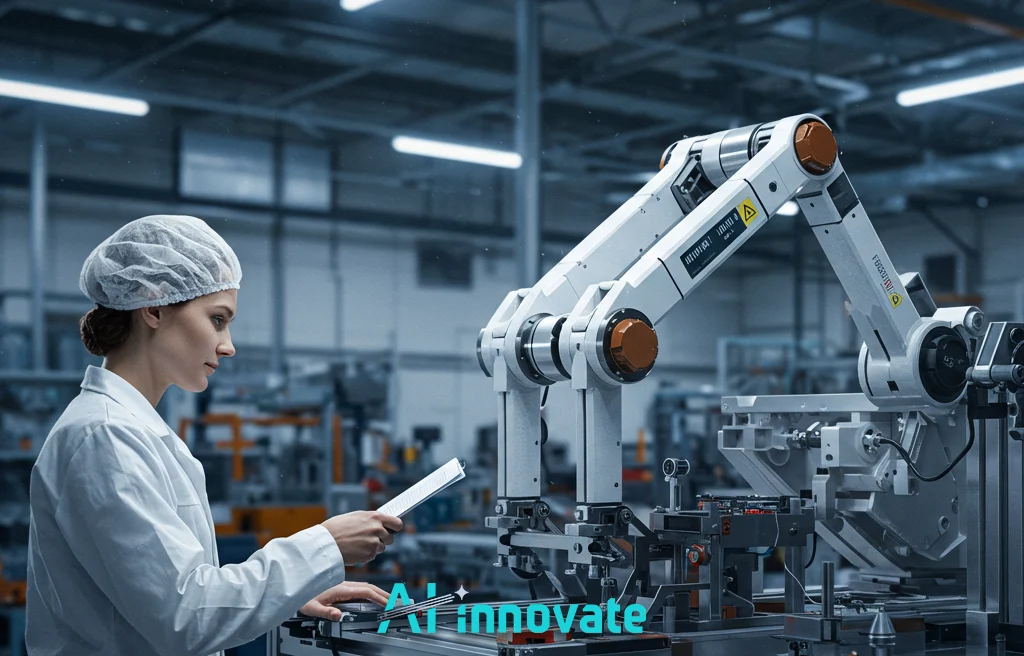
Smart Factory Solutions

Smart Factory Solutions: The Future of Intelligent Manufacturing

Think about how much money factories lose every year because things aren’t running smoothly, equipment breaks down, and they can’t see what’s happening on the factory floor. Old-school factories just can’t keep up these days. If manufacturers want to stay in the game, they need to get smart and connect everything.

That’s where smart factory solutions come in. They use data, automation, and AI to make factories that can think for themselves, learn as they go, and react instantly.

In this guide, we’ll go over what a smart factory is all about, the tech that makes it possible, some stories about factories that are doing it right, and how you can start making your own factory smarter.

Turn Your Factory into a Smart One

Let AI inspect, analyze, and optimize – faster and smarter than ever.

What Is a Smart Factory?

A smart factory is a highly connected production environment where machines, sensors, and systems communicate and make decisions based on real-time data. It seamlessly integrates digital technologies such as AI, the Internet of Things (IoT), and cloud computing, creating a cutting-edge, intelligent ecosystem.

Smart factories are essential today because they can instantly adapt to market demands, improve efficiency, and ensure top-tier quality with minimal waste. A modern automotive manufacturer can use AI-powered sensors to detect defects as they occur, automatically adjust machinery, and maintain uninterrupted production.

✅So basically, Smart factories use AI & IoT to create connected production environments. In these environments, machines communicate with each other, make autonomous decisions based on real-time data, adapt instantly to demands, and maintain efficient, defect-free production.

Key Takeaways

Smart factories use AI, IoT, and automation to connect machines, analyze data in real time, and make intelligent decisions without human delay.

By turning data into instant action, they boost efficiency, cut downtime, and maintain flawless quality with minimal waste. Starting small with targeted AI-driven projects like predictive maintenance or automated inspection helps manufacturers quickly prove ROI and scale transformation across operations.

What Is a Smart Factory Solution?

A smart factory solution is a highly digitized and interconnected manufacturing system that uses automation, artificial intelligence, and Internet of Things (IoT) technologies to monitor, control, and optimize production processes in real time.

In a smart factory, machines, systems, and software platforms are continuously connected, enabling real-time data exchange and intelligent decision-making across production environments. This allows manufacturers to improve efficiency, reduce errors, and adapt quickly to operational changes.

The scope of smart factory systems extends beyond production alone and typically integrates:

  • Production planning and execution
  • Supply chain coordination
  • Logistics and distribution
  • Product design and lifecycle management

This creates a unified, data-driven manufacturing ecosystem where every stage of the value chain is interconnected and continuously optimized.

Smart factory solutions are a core component of Industry 4.0, representing the shift from traditional manufacturing systems to intelligent, adaptive, and fully connected industrial environments.

The Key Technologies Driving Smart Factory Solutions

Smart factories depend on interconnected, data-driven systems that learn and improve continuously. The key technologies include:

  • Artificial Intelligence (AI) and Machine Learning (ML): Analyze production data, predict failures, and optimize operations.
  • Industrial Internet of Things (IIoT): Connects machines and sensors to monitor performance and detect anomalies in real time.
  • Big Data and Analytics: Transforms raw data into actionable insights for smarter decision-making.
  • Cloud Computing: Provides scalable storage, real-time access, and collaboration across teams and sites.
  • Robotics and Automation: Increases precision, productivity, and reliability while freeing workers for higher-value tasks.
  • Augmented and Virtual Reality (AR/VR): Enhances training, maintenance, and design visualization for improved efficiency.

The Real Advantages of Smart Factory Solutions

Massively Increased Operational Efficiency

Automation and machine connectivity eliminate bottlenecks, reduce manual intervention, and streamline production. Smart factories optimize workflows through real-time data analysis, ensuring faster and more reliable output.

Enhanced Product Quality and Drastically Reduced Defects

AI-powered quality assurance systems detect even the smallest flaws, improving consistency across production runs. Continuous feedback loops ensure that corrective actions happen instantly, minimizing waste and rework.

Significant Cost Reduction

Connected systems and predictive maintenance reduce unplanned downtime, energy waste, and operational overhead. Over time, this leads to measurable cost savings and better equipment utilization.

Greater Agility and Manufacturing Flexibility

Smart factories respond quickly to shifting demand, new designs, or production challenges. Real-time data allows manufacturers to make on-the-fly adjustments without halting the line.

Improved Worker Safety and Ergonomics

Robots and cobots perform high-risk or repetitive tasks, reducing injuries. Augmented reality tools guide workers through complex operations safely and efficiently.

Enhanced Supply Chain Visibility and Resilience

Integrated data across suppliers, logistics, and inventory enables full traceability and rapid response to disruptions. Manufacturers can predict shortages and adjust procurement before problems arise.


Core Technologies Behind Smart Factory Solutions

Smart factory solutions rely on a combination of advanced digital technologies that connect machines, production lines, and business systems into a single, intelligent manufacturing ecosystem. Instead of depending on one technology, modern smart factories integrate artificial intelligence (AI), the Industrial Internet of Things (IIoT), machine vision, robotics, edge computing, cloud platforms, and manufacturing software. These technologies automate operations, improve quality, and enable data-driven decision-making. These technologies provide real-time visibility into production, reduce downtime, optimize resource utilization, and support continuous process improvement. The following table summarizes the core technologies powering today’s smart factories and their primary manufacturing applications.

Technology Primary Function Manufacturing Applications Key Benefits
Artificial Intelligence (AI) Analyzes production data, predicts outcomes, and automates decision-making. Defect detection, predictive maintenance, process optimization, demand forecasting Higher productivity, improved quality, reduced downtime
Machine Vision Uses industrial cameras and AI to inspect products automatically. Surface inspection, dimensional measurement, assembly verification, barcode reading Consistent quality control and faster inspections
Industrial Internet of Things (IIoT) Connects machines, sensors, and equipment for continuous data collection. Equipment monitoring, asset tracking, environmental sensing Real-time visibility and improved operational efficiency
Edge Computing Processes manufacturing data close to production equipment without relying on cloud latency. AI inference, real-time quality inspection, machine monitoring Low latency, increased reliability, enhanced data security
Cloud Computing Provides centralized storage, analytics, and remote access to manufacturing data. Production dashboards, enterprise analytics, multi-site management Scalable infrastructure and centralized reporting
Industrial Robotics Automates repetitive, hazardous, or precision manufacturing tasks. Material handling, assembly, welding, palletizing, packaging Higher throughput, improved consistency, lower labor costs
Digital Twins Creates virtual models of machines, production lines, or entire factories. Process simulation, predictive maintenance, production planning Reduced risks, faster optimization, better decision-making
Manufacturing Execution System (MES) Monitors and manages production activities between the shop floor and enterprise systems. Production scheduling, work order tracking, quality management Greater production visibility and process control
Enterprise Resource Planning (ERP) Integrates manufacturing with finance, inventory, procurement, and supply chain operations. Inventory control, production planning, resource allocation Improved business coordination and operational efficiency
Programmable Logic Controllers (PLCs) Control industrial equipment and automate machine operations in real time. Production lines, conveyors, robotic cells, packaging systems Reliable automation and precise equipment control

Smart Factory Solutions: Real Examples of How They’re Used

Predictive Maintenance

IoT sensors on critical machinery monitor vibration, temperature, and performance in real-time. Machine learning predicts failures weeks before they happen, enabling scheduled maintenance instead of costly emergency repairs.

GE Aviation:

  • Setup: Sensors on 44,000 jet engines send data to monitoring centers
  • Analysis: Combined with engine models and environmental conditions
  • Impact: Reduced airline maintenance costs and improved safety through early failure detection

AI-Powered Quality Control

Computer vision systems inspect products faster and more accurately than human inspectors, detecting microscopic defects in milliseconds.

Audi Ingolstadt Plant:

  • Technology: Deep learning algorithms detect tiny paint defects
  • Speed: Processes 5,000 car bodies daily
  • Results: Higher detection accuracy than human inspectors, reduced rework costs

Samsung Electronics:

  • Application: AI inspects printed circuit boards (PCBs)
  • Method: Compares images against perfect models to catch misalignments and defects
  • Outcome: Significantly lower defect escape rates, freed quality engineers for root cause analysis

Digital Twins for Process Optimization

Virtual replicas of factories updated with real-time data let engineers test changes risk-free before physical implementation.

BMW Group:

  • Scale: Digital twins of all 31 production facilities
  • Capability: Engineers virtually walk-through factories, simulate production changes
  • Result: 30% reduction in production planning time

Tata Steel:

  • Purpose: Test process modifications for sustainability
  • Focus: Reduce carbon emissions and optimize energy without risking actual production

Robotic and Cobot Automation

Advanced robots are the best solution for repetitive tasks, while collaborative cobots work safely alongside humans, improving productivity and safety.

Amazon Fulfillment:

  • Technology: Thousands of Autonomous Mobile Robots (AMRs)
  • Function: Robots bring shelving units to stationary human pickers
  • Benefits: Faster fulfillment, reduced worker physical strain, higher order volume

Great Wall Motor (Thailand):

  • Application: Intelligent robots automate welding and assembly
  • Advantage: 24/7 consistent quality, frees engineers for optimization work

Your Factory Transformation Roadmap: A Step-by-Step Plan

Phase 1: Foundation & Goal Setting

Before investing in technology, identify your critical pain points. Where do inefficiencies, quality issues, or downtime cost you most? Set specific, measurable goals like reducing downtime by 25% or boosting OEE by 12 points. Assess your current infrastructure, equipment connectivity, and team capabilities. Build a strategic roadmap prioritizing high-impact initiatives with realistic timelines and budgets.

Phase 2: Test & Validate

Start with one focused pilot project that proves value quickly. Predictive maintenance on chronically failing critical assets often works well as a starting point. Choose technology partners with proven industry experience, scalable solutions, and easy integration through open APIs. Track KPIs closely, document learnings, and iterate based on real results before scaling investment.

Phase 3: Connect & Expand

Roll out successful pilots to similar operations across your facility. Prioritize integration so new solutions share data seamlessly with existing ERP, MES, and CMMS systems. Look for ERP-agnostic platforms with robust APIs. Upgrade network bandwidth, storage capacity, and computing power to handle growing data volumes as you scale.

Phase 4: Refine & Evolve

Deploy advanced analytics, AI-driven optimization, and digital twin simulations using your connected data foundation. Invest in upskilling employees to work confidently with new technologies and interpret insights effectively. Foster a culture where continuous improvement is expected and teams regularly identify new opportunities for innovation.

Challenges in Smart Factory Adoption

The path to smart manufacturing involves real obstacles. Understanding them helps you plan effectively:

  • Initial Investment & ROI: New technology requires significant capital. Build detailed business cases with measurable returns. Start with high-impact pilots that demonstrate value quickly and justify broader investment.
  • Cybersecurity Risks: More connected devices create more vulnerabilities. Build comprehensive security into your architecture from day one, including network segmentation and continuous monitoring.
  • Legacy System Integration: Connecting modern solutions with older equipment can be complex. Choose platforms with flexible APIs that work with diverse machinery.
  • Skills Gap: Invest in upskilling existing employees to operate new technologies and interpret data insights.
  • Change Management: Involve frontline workers early, communicate clearly, and celebrate wins to build organizational buy-in.

Final Thoughts: Start Small, Scale Smart

Smart factories aren’t futuristic concepts. They’re today’s competitive reality. These environments use data, connectivity, and AI to create operations that are more efficient, resilient, and sustainable. While complete transformation seems daunting, success starts with focused solutions addressing your biggest pain points. AI-powered predictive maintenance or quality control systems deliver fast ROI and build momentum for broader change.

After guiding numerous manufacturers through this journey, one truth stands out. Companies that succeed don’t wait for perfect conditions. They choose one costly problem, solve it with targeted technology, and scale what works. The manufacturers acting now will have years of advantage over those still planning. Your move.

Note: Some graphics and visuals in this post were produced using AI-generated content.
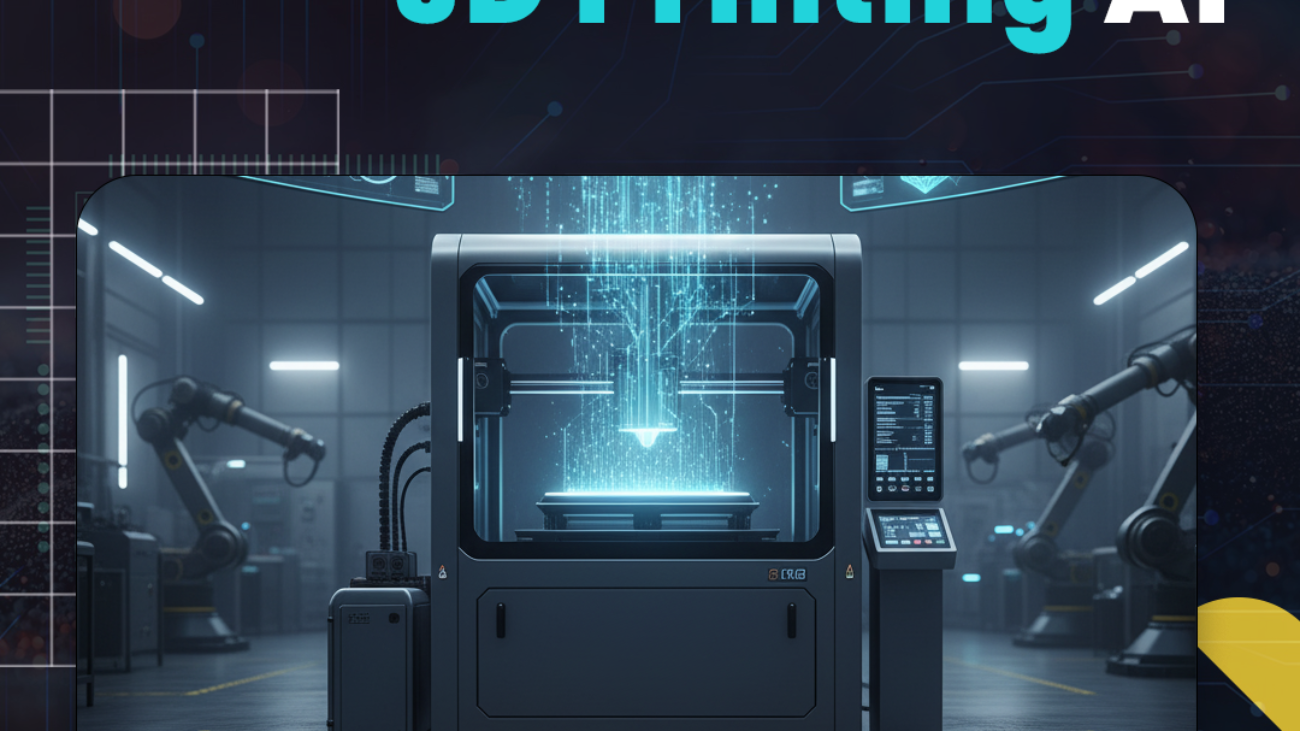
Ai-Innovate uses only high-quality sources, including peer-reviewed studies, to support the facts within our articles.

  1. Oracle. (2025). Smart factory and smart manufacturing solutions. Oracle.
    Retrieved from https://www.oracle.com/industrial-manufacturing/smart-factory-and-smart-manufacturing/
  2. Siemens. (2025). Smart factory: The digital transformation of manufacturing. Siemens.
    Retrieved from https://www.siemens.com/us/en/company/topic-areas/smart-factory.html
  3. ACTIA EMS. (2024). Smart factory: Connecting technology and industrial performance. ACTIA.
    Retrieved from https://ems.actia.com/https-ems-actia-com-en-news-smart-factory/
  4. F7i AI. (2024). Smart factory solutions: The ultimate guide. F7i AI.
    Retrieved from https://f7i.ai/blog/smart-factory-solutions-the-ultimate-guide
  5. Sustainable Manufacturing Expo. (2024). Smart factory solutions: Lessons from industry leaders. Sustainable Manufacturing Expo.
    Retrieved from https://www.sustainablemanufacturingexpo.com/en/articles/smart-factory-solutions-lessons.html
  6. TWI Global. (2025). What is a smart factory? The Welding Institute (TWI).
    Retrieved from https://www.twi-global.com/technical-knowledge/faqs/what-is-a-smart-factory

Confused About Where to Start with AI?

Our specialists help you identify the right AI approach based on your process, data, and goals.

FAQ

What is the role of humans in the factory of the future?

In the factory of the future, humans and intelligent machines will work side by side. Automation handles repetitive tasks, while people focus on analysis, creativity, and oversight,interpreting data, managing exceptions, solving complex problems, and maintaining advanced systems to continuously improve operations.

Smart factory ROI is measured through efficiency and performance metrics. Key indicators include improved equipment effectiveness, reduced downtime, lower operational costs, enhanced quality, and faster time-to-market. Together, these gains reveal how automation and AI translate into measurable financial returns and competitive advantage.

Smart factories deliver strong benefits but require tailored strategies. For small firms, modular solutions like predictive maintenance offer scalable value. Large enterprises gain from full integration but face transition challenges. A clear roadmap, business alignment, and phased adoption ensure successful, high-impact implementation

Connected factory solutions are technologies that connect machines, sensors, production lines, and enterprise systems. This enables real-time data sharing and automated decision-making across a manufacturing facility. These solutions usually combine Industrial IoT (IIoT), artificial intelligence (AI), machine vision, edge computing, manufacturing execution systems (MES), and cloud platforms to improve visibility, optimize production processes, reduce downtime, and enhance product quality. Connected factory solutions are a key part of modern smart factories and Industry 4.0 projects.

Connected factory solutions make manufacturing more efficient by letting you see what is happening in production and using data to improve processes. By regularly checking equipment performance, product quality, energy use, and production metrics, manufacturers can find problems earlier, reduce times when equipment is not working as expected, improve Overall Equipment Effectiveness (OEE), increase production yield, and automate quality control. Integrated AI analytics and Industrial IoT technologies also help manufacturers make faster operational decisions and support continuous improvement across the factory.