Object Detection for Industrial Machine Vision

Object Detection for Industrial Machine Vision: Uses, Models, and Benefits

In smart factories, cameras and AI systems are now used to inspect parts, track movement, support robotics, as well as improve safety. One of the most important technologies behind these systems is object detection: a machine vision system identifying what’s in an image and where it’s located. As production lines become more automated, object detection gains a bigger role in automated optical inspection.

In this blog, we take a look at the fundamentals of object detection, how performance is measured, which frameworks and datasets are commonly used, and how this technology supports quality control and other industrial applications.

Smarter Industrial Vision, Powered by Object Detection

Detect defects in real time, automate inspection, and improve accuracy with AI-driven machine vision systems.

Understanding the Basics of Object Detection

Object detection is a type of computer vision that identifies objects inside an image or video and shows their location. Unlike simple image classification, which only says what’s in the image, object detection also places a box around the object.

This makes it especially useful in industrial machine vision. A system often needs to know exactly where that component is, whether it’s in the correct position, and whether there are multiple objects present at the same time.

Object detection usually involves two main tasks:

  • Finding the object in the image
  • Classifying what the object is

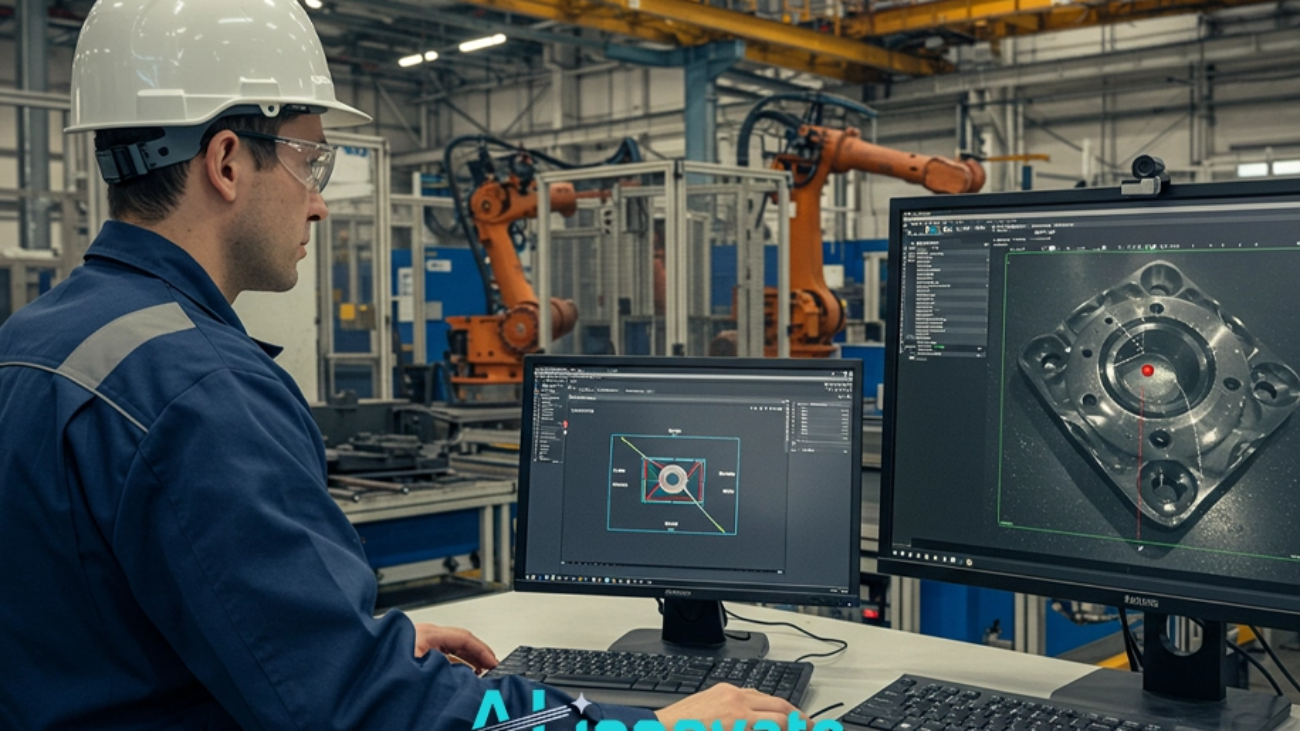
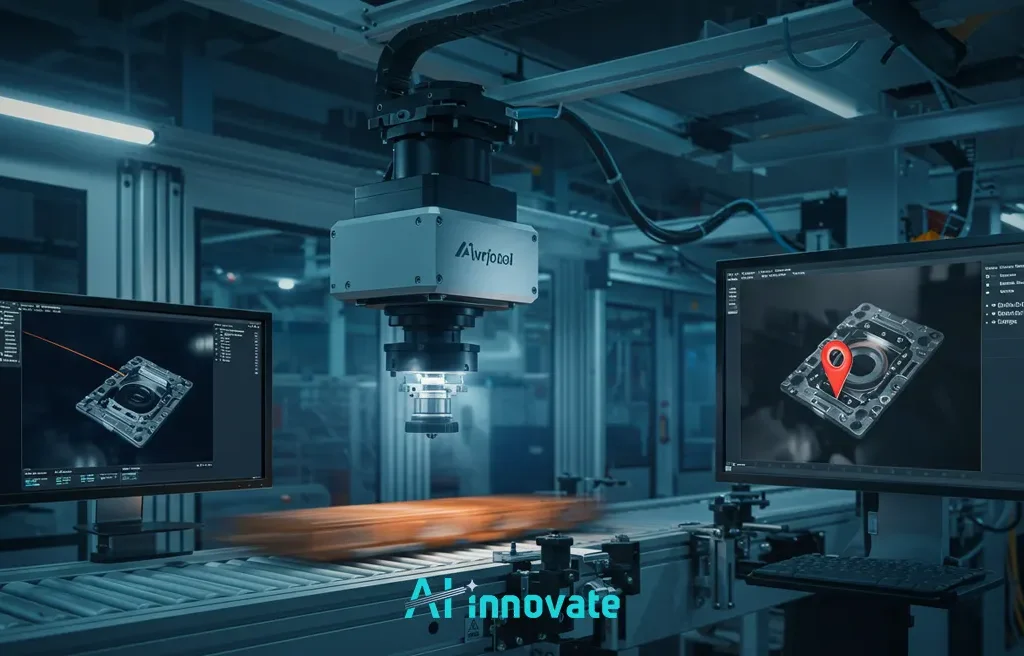
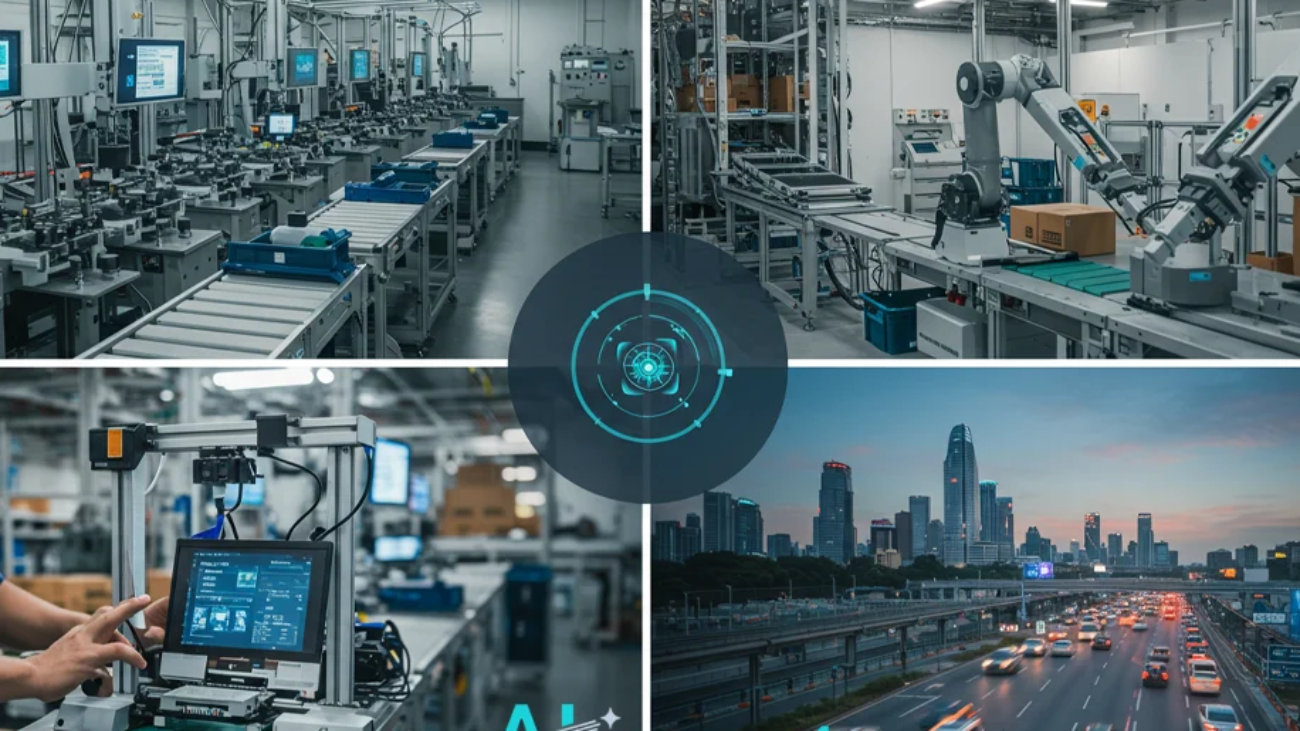
In industrial settings, this can translate to identifying parts on a conveyor, locating defects on a surface, detecting tools in a workspace, or monitoring worker and machine activity.
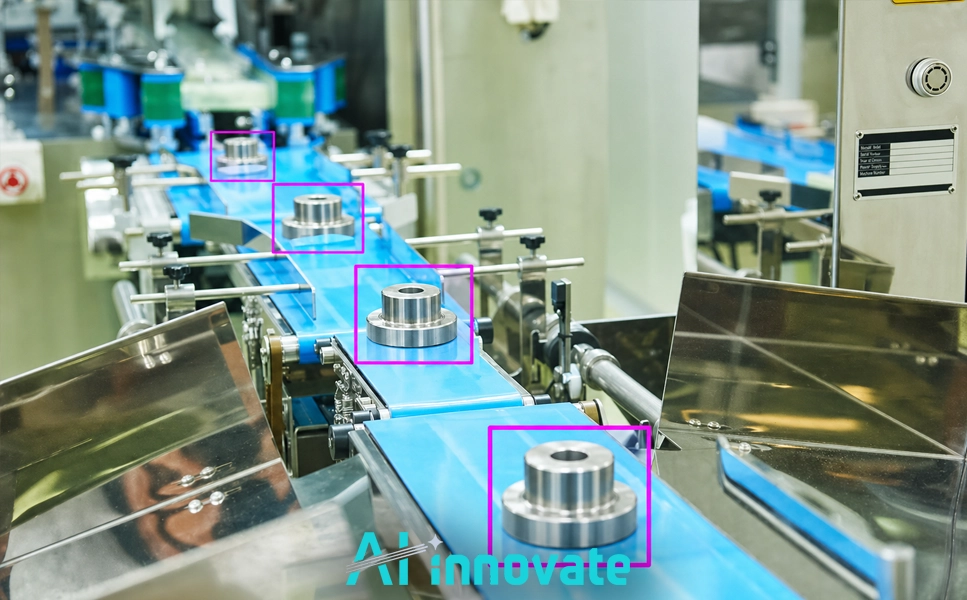
understading object detection for industrial machine

Evaluation Metrics

To evaluate the performance of object detection systems, manufacturers use evaluation metrics, which help measure how accurate and reliable the model is.

Some of the most common metrics include:

  • Precision, which shows how many detected objects were correct
  • Recall, which shows how many real objects were successfully found
  • Intersection over Union (IoU), which measures how closely the predicted box matches the actual object location
  • mAP (mean Average Precision), which gives an overall measure of detection performance across classes

These metrics are important since an industrial detection system needs to be accurate enough for real production use. A model that misses too many objects may create quality problems, while one that has too many false detections may slow production.

Frameworks

Object detection systems are usually built using machine learning or deep learning frameworks. These frameworks are what help developers train models, test performance, and deploy systems into real industrial environments.

Commonly used frameworks include:

  • TensorFlow
  • PyTorch
  • OpenCV
  • Detectron2
  • Ultralytics for YOLO-based workflows

Datasets

Datasets are a fundamental part of object detection. Models learn from large collections of labeled images. In these datasets, objects are marked to teach the system what they look like and where they appear.

A good dataset usually includes:

  • Different object types
  • Different angles and positions
  • Lighting variation
  • Background variation
  • Real examples of defects or industrial conditions

Quality Control and Assurance in Industry

One of the main reasons object detection matters in industry is its role in quality control and quality assurance. Manufacturers need reliable ways to confirm that products meet standards before they move to the next stage or reach the customer.

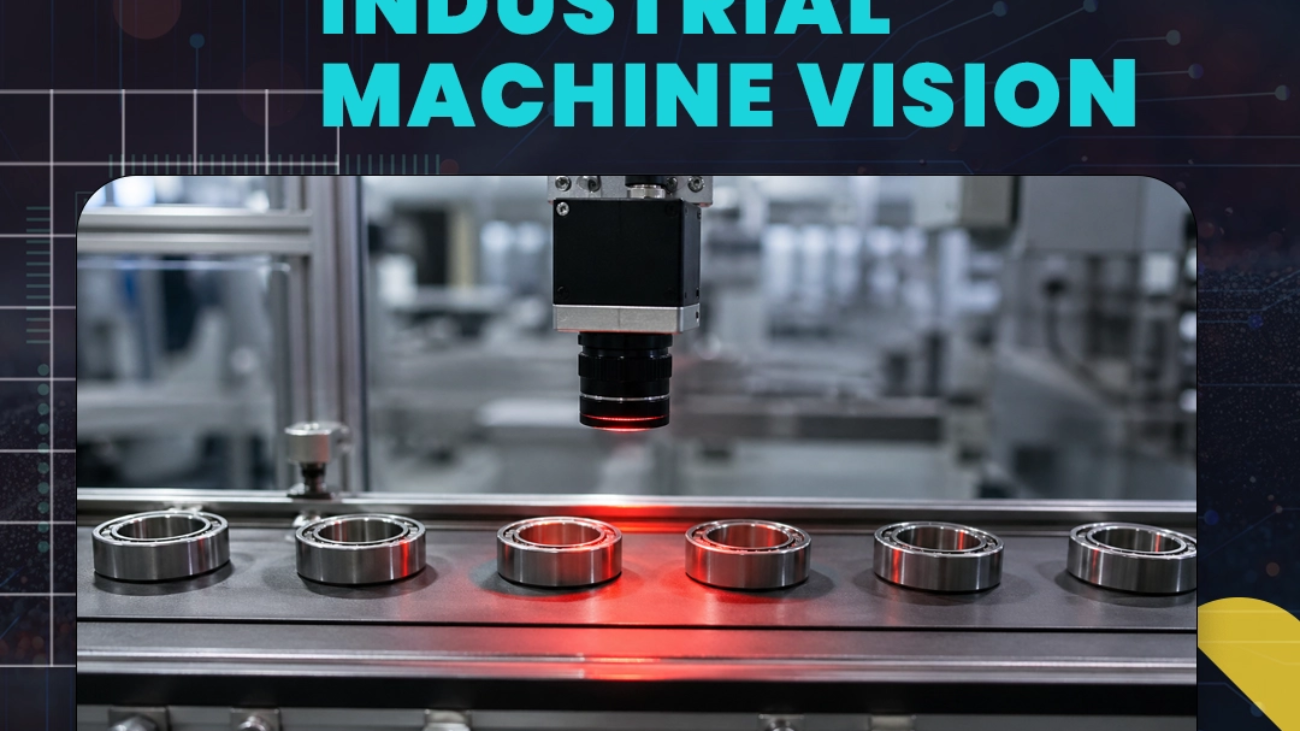
Object detection gives vision systems the ability to inspect products automatically and continuously. Instead of relying only on human inspection, companies use machine vision to detect visible issues, missing parts, incorrect placement, or process deviations.
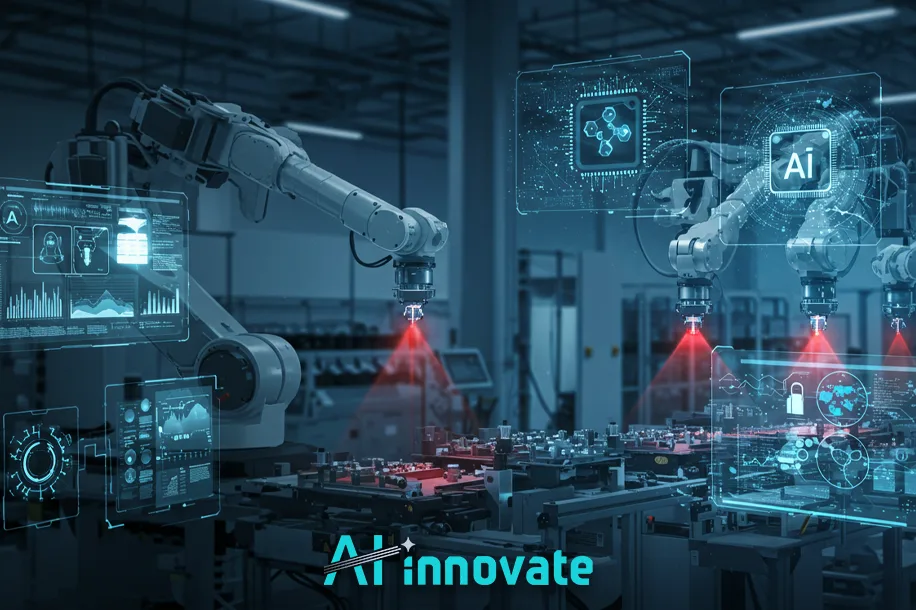
AI-Driven Quality Control

Mainstream Technologies and Models

There are many object detection models in use today, but some have become especially well-known because of their features.

YOLO Series

The YOLO series is one of the most popular object detection approaches. YOLO stands for “You Only Look Once,” and it’s known for being fast enough for real-time applications.

This makes it a strong choice for industrial environments where production lines move quickly and decisions need to happen without delay: inspection, tracking, robotics, and other real-time machine vision tasks.

SSD (Single Shot MultiBox Detector)

SSD is another popular object detection model designed for speed and efficiency. Like YOLO, it performs detection in a single pass, which helps it work well in real-time applications. SSD is a good option for achieving a balance between accuracy and processing speed.

RetinaNet

RetinaNet is renowned for enhancing performance in challenging detection scenarios, particularly when certain objects are more difficult to locate than others. It introduces a method that helps reduce the problem of class imbalance during training. In industrial settings, this can be useful when defects are rare or important objects appear much less frequently than typical examples.

Transformer-based Models

Transformer-based models such as DETR and DINO are newer approaches that owe their gained attention to their strong detection capabilities. These models are often more advanced and can perform well in complex visual scenes.

In industry, they may be useful for more complicated products, environments or object relationships. However, depending on the application, they can also require more computing power.

Where Object Detection Is Used in Industry

Object detection has many practical applications in industrial machine vision:.

  • Surface Defect Detection: One of the most common uses of object detection is detecting surface defects. This includes scratches, cracks, dents, pits, stains, coating issues, or other visible flaws on products or materials.
  • Visual Quality Inspection: Object detection is also widely used in general visual inspection. A system can check whether a product has the correct components, whether labels are present, whether assembly is complete, or whether the item meets visual standards.
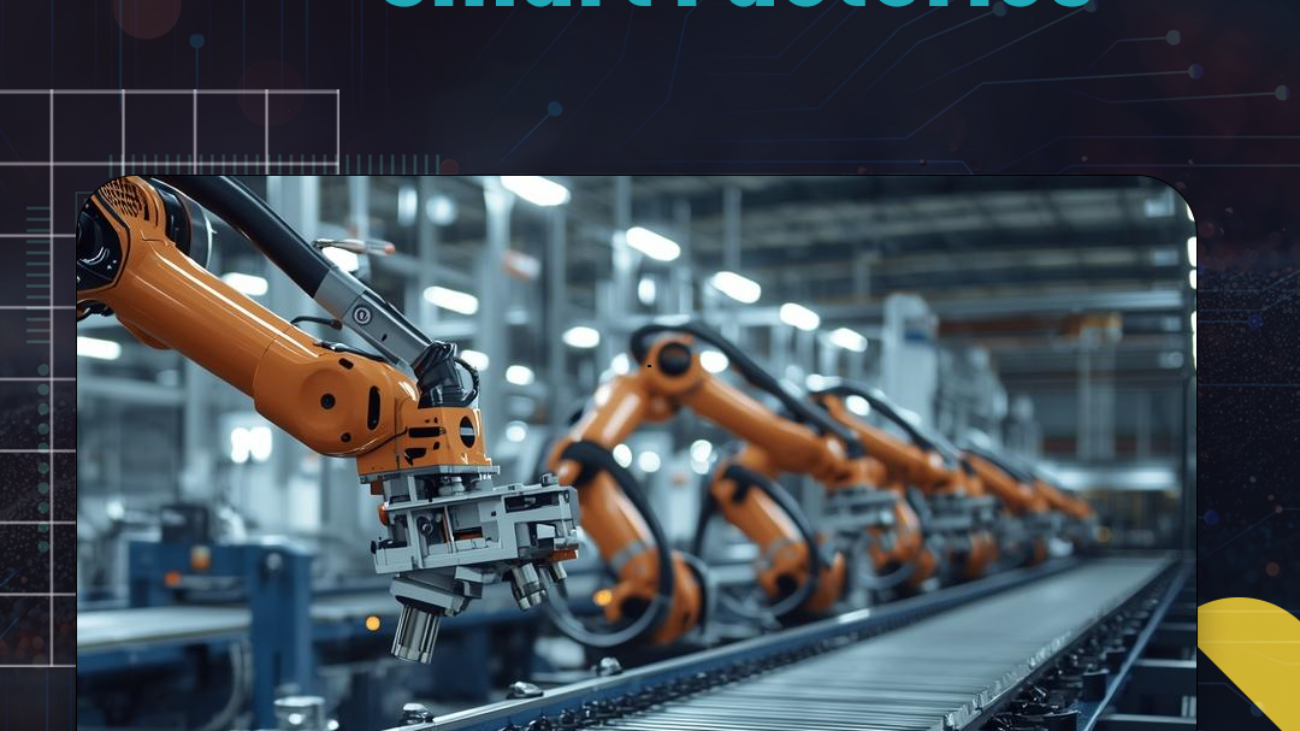
  • Robotic Guidance (Vision-Guided Robotics): In vision-guided robotics, object detection allows robots to understand where parts, tools, or products are located. This lets robotic systems pick, place, sort, or assemble items more accurately.
  • Logistics and Tracking: Object detection also supports logistics and tracking. Vision systems can identify items on conveyors, track packages, count products, or monitor material flow between workstations.
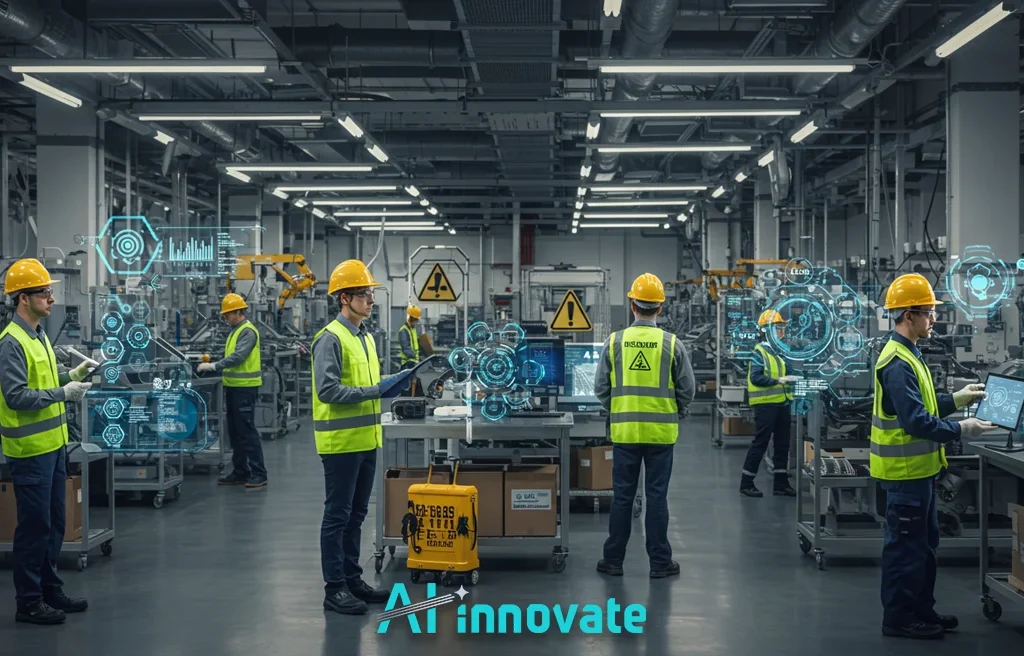
  • Safety Monitoring: Safety monitoring is another important use of object detection. Machine vision systems can detect unsafe conditions, monitor restricted areas, or confirm whether procedures are being followed correctly.

Real-World Industrial Examples of Object Detection

Object detection is popular across a wide range of industries since many production environments are dependent on visual accuracy and fast decision-making.

Series Production in Automotive and Electronics

In series production, particularly in the automotive and electronics industries, object detection can be used to inspect parts, confirm assembly steps and identify defects at production speed. These industries usually require very high levels of consistency, making machine vision an important support tool.

Packaging and Assembly Lines

On packaging and assembly lines, object detection can be used to confirm that items are in the correct position, that all components are present and that the packaging is complete. This reduces errors and improves efficiency in fast-paced production environments.

Food and Pharmaceutical Industry

In the food and pharmaceutical industries, object detection can support a range of processes, including inspection, sorting, packaging checks and monitoring. As these sectors often require strict quality and compliance standards, reliable detection is particularly valuable.

Safety-Critical Industries

In safety-critical industries such as aviation and medical technology, inspection requirements are particularly stringent. Even minor visual defects can have serious consequences, so object detection can offer an additional level of quality control and process reliability. In such environments, accuracy and traceability are often as important as speed.

Turn Industrial Object Detection into Measurable Operational Gains

Object detection only creates value when it is deployed with the right machine vision infrastructure, edge computing, and model strategy. Moving from isolated vision tests to reliable industrial performance requires robust image pipelines, real-time inference, and AI systems that can detect, classify, and track objects accurately in real production environments.

At AI-innovate, we help manufacturers bridge the gap between object detection theory and plant-floor execution by providing:

  • Intelligent visual inspection with AIxEye, enabling real-time detection of defects, missing components, incorrect positioning, and other visual issues across quality control, assembly, and packaging workflows
  • Edge AI infrastructure with AIxCore (powered by NVIDIA Jetson Orin AGX) for high-speed image processing, on-site inference, and scalable deployment across machine vision, robotics, logistics, and safety monitoring applications
  • Synthetic data capabilities through AIxCam, helping teams strengthen object detection models when labeled images are limited, industrial conditions vary, or rare defect and edge-case scenarios are difficult to capture

Whether you’re improving inspection at a single workstation or scaling machine vision across multiple lines and facilities, the key is combining reliable image capture, explainable AI models, and industrial-grade deployment built for real manufacturing environments.

Conclusion

Object detection is now an essential component of industrial machine vision, easing the process of identifying objects, monitoring processes and responding to issues. It supports many of the tasks that smart factories depend on every day, from quality inspection and defect detection to robotic guidance, logistics, and safety monitoring.

I believe with the right models, data and deployment strategy, manufacturers can use this technology to improve quality and efficiency and build better, more reliable production systems.

Ai-Innovate uses only high-quality sources, including peer-reviewed studies, to support the facts within our articles.

  1. Springer Nature / Production Engineering. (2025). Object Detection Survey for Industrial Applications with Focus on Quality Control — A research survey covering modern object detection methods for industrial inspection, including defect detection, measurement, speed, accuracy, and real-world quality control use cases. Retrieved from https://link.springer.com/article/10.1007/s11740-025-01369-4#Sec2
  2. E3S Web of Conferences. (2025). ISSAT 2025 Conference Paper (PDF) — A conference-paper source from the 4th International Seminar of Science and Applied Technology, useful for readers looking for applied research on AI-driven industrial and sustainability topics. Retrieved from https://www.e3s-conferences.org/articles/e3sconf/pdf/2025/64/e3sconf_issat2025_01001.pdf
  3. Jidoka Tech. (2025). 5 Best Object Detection Models Right Now! — A practical industry guide comparing leading object detection models for manufacturing and logistics, with emphasis on speed, edge deployment, zero-shot flexibility, and inspection use cases. Retrieved from https://www.jidoka-tech.ai/blogs/best-object-detection-models-manufacturing-logistics

API4AI / Medium. (2025). AI Object Detection API: Key to Automated Quality Control — An approachable overview of how AI object detection supports automated inspection, defect detection, and scalable quality control in manufacturing environments. Retrieved from https://medium.com/@API4AI/ai-object-detection-api-key-to-automated-quality-control-a0ab2ebd3cdb

FAQ

What is the difference between object detection and image classification?

Image classification assigns a single label to an entire image (e.g., “defective part”), whereas object detection identifies, classifies, and localizes one or more specific objects within that image using bounding boxes. This allows systems to count multiple parts or find exactly where a scratch is located.

For real-time performance on a fast production line, edge devices like industrial PCs with dedicated GPUs or smart cameras are used to minimize latency. High-speed applications (e.g., conveyor belts) often require line scan cameras, while 3D tasks like robotic bin-picking require stereo or LiDAR sensors.

The most common metric is mAP (mean Average Precision), which balances accuracy and the model’s ability to find all objects. Other key metrics include Precision (how many detections were correct), Recall (how many actual objects were found), and IoU (Intersection over Union), which measures how well the predicted bounding box overlaps with the real object.
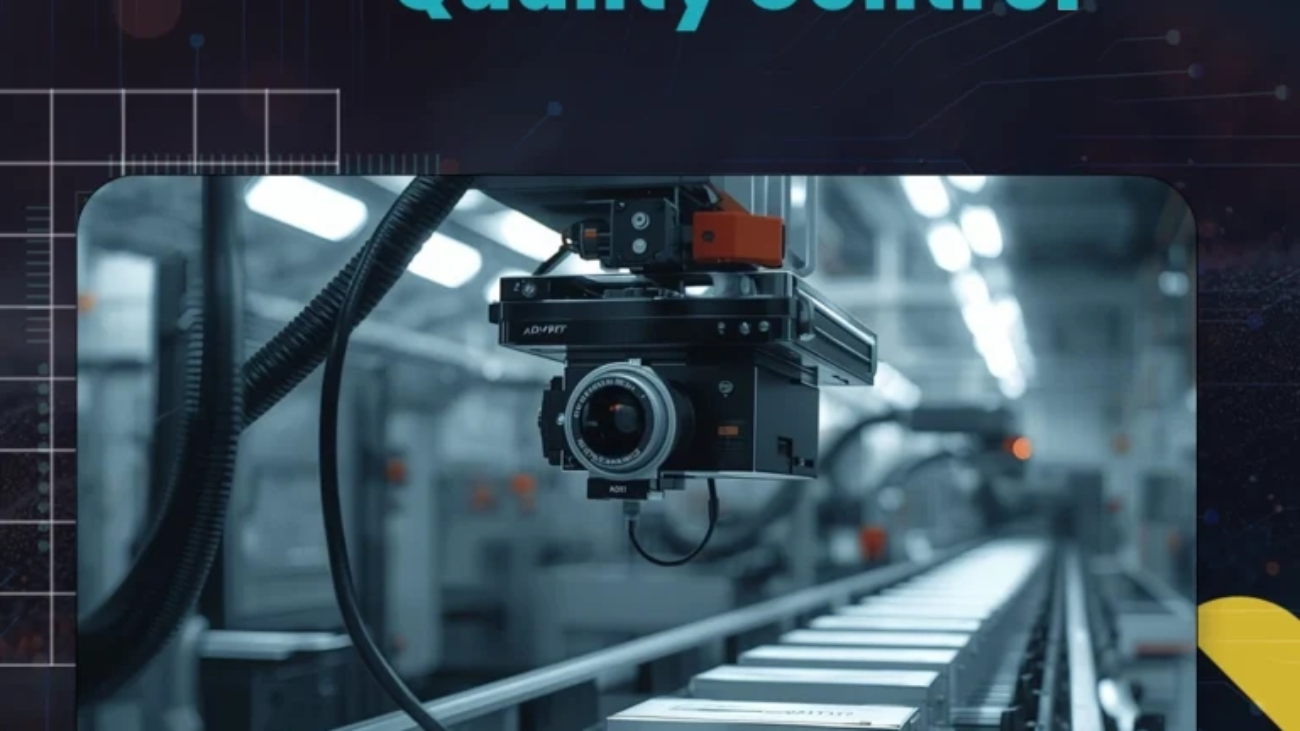
Machine-Vision-in-Quality-Control-768x768

Machine Vision in Quality Control

Quality control has always been at the heart of manufacturing success. A single overlooked defect can lead to customer complaints, costly recalls, or damage to a company’s reputation. For decades, inspection relied heavily on human eyes and manual checks. While skilled inspectors remain valuable, today’s production speeds and precision demands often exceed what manual processes can consistently handle.

Machine vision is transforming quality control by bringing speed, accuracy, and consistency to inspection tasks. Instead of relying solely on human judgment, manufacturers now use intelligent imaging systems to detect defects in real time.

In this article, we will explore what machine vision in quality control means, how it works, its most important applications, how it compares to manual inspection, and where the technology is headed in the future.

Machine Vision in Quality Control, Precision at Every Stage.

Machine vision systems use high-resolution imaging and AI analytics to detect defects, verify dimensions, and ensure consistent quality in real time. Learn how automated inspection improves accuracy, reduces waste, and strengthens manufacturing reliability.

Understanding Machine Vision in Quality Control

Machine vision in quality control refers to the use of cameras, sensors, and image processing software to automatically inspect products during manufacturing. These systems capture images of parts or assemblies and analyze them to verify that they meet predefined quality standards.

Unlike simple camera systems that only record footage, machine vision systems interpret visual data. They measure dimensions, detect surface defects, confirm component presence, and ensure proper alignment. Many modern systems integrate artificial intelligence to recognize complex defect patterns and adapt to variations in production.

The goal is straightforward: detect defects early, prevent faulty products from reaching customers, and maintain consistent production quality at scale.

How Machine Vision Systems Operate on the Production Floor

Machine vision systems combine hardware and software components that work together in a structured process.

Image Capture

High-resolution cameras capture images of products as they move along the production line. Depending on the application, these cameras may be:

  • Area scan cameras for detailed 2D images
  • Line scan cameras for continuous surface inspection
  • 3D vision systems for depth and volume measurements

Lighting is carefully designed to highlight defects, improve contrast, and eliminate shadows that could interfere with detection.

Image Processing

Once captured, images are processed using specialized software. Traditional systems rely on rule-based algorithms that measure edges, shapes, and color variations. Advanced systems incorporate AI and deep learning models that learn from example images to identify more complex patterns.
The software compares each product against predefined criteria. If a defect is detected, the system can:

  • Trigger an alert
  • Reject the faulty item automatically
  • Stop the production line for review

Decision and Feedback Loop

In modern smart factories, machine vision systems often integrate with manufacturing execution systems. This enables real-time data feedback, allowing operators to adjust machine settings if recurring defects are identified.

This closed-loop approach improves not only inspection accuracy but also overall process control.

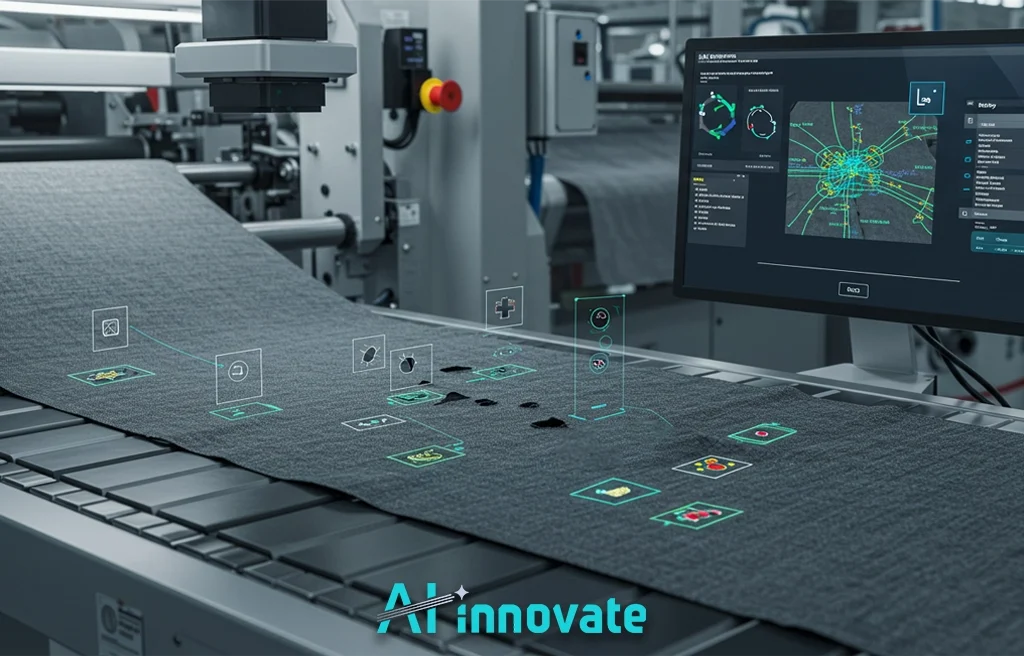
Machine Vision in Micro-Defect Analysis

Key Applications of Machine Vision in Quality Control

Machine vision has broad applications across industries. Some of the most impactful uses include:

Surface Defect Detection

Systems detect scratches, cracks, dents, and contamination on metal, plastic, glass, and composite materials. This is especially important in automotive, aerospace, and electronics manufacturing.

Dimensional Measurement

Precision industries rely on machine vision to verify that parts meet exact size and tolerance requirements. Even minor dimensional deviations can compromise product performance.

Assembly Verification

Vision systems confirm that all components are present and properly assembled. They detect missing screws, incorrect part placement, or misaligned assemblies.

Packaging and Label Inspection

Machine vision ensures labels are correctly printed, properly positioned, and readable. It also verifies barcodes, expiration dates, and packaging integrity.

Foreign Object Detection

In food and pharmaceutical industries, vision systems detect contaminants or foreign objects that could pose safety risks.

By automating these tasks, manufacturers achieve faster inspections, fewer defects, and higher overall product reliability.

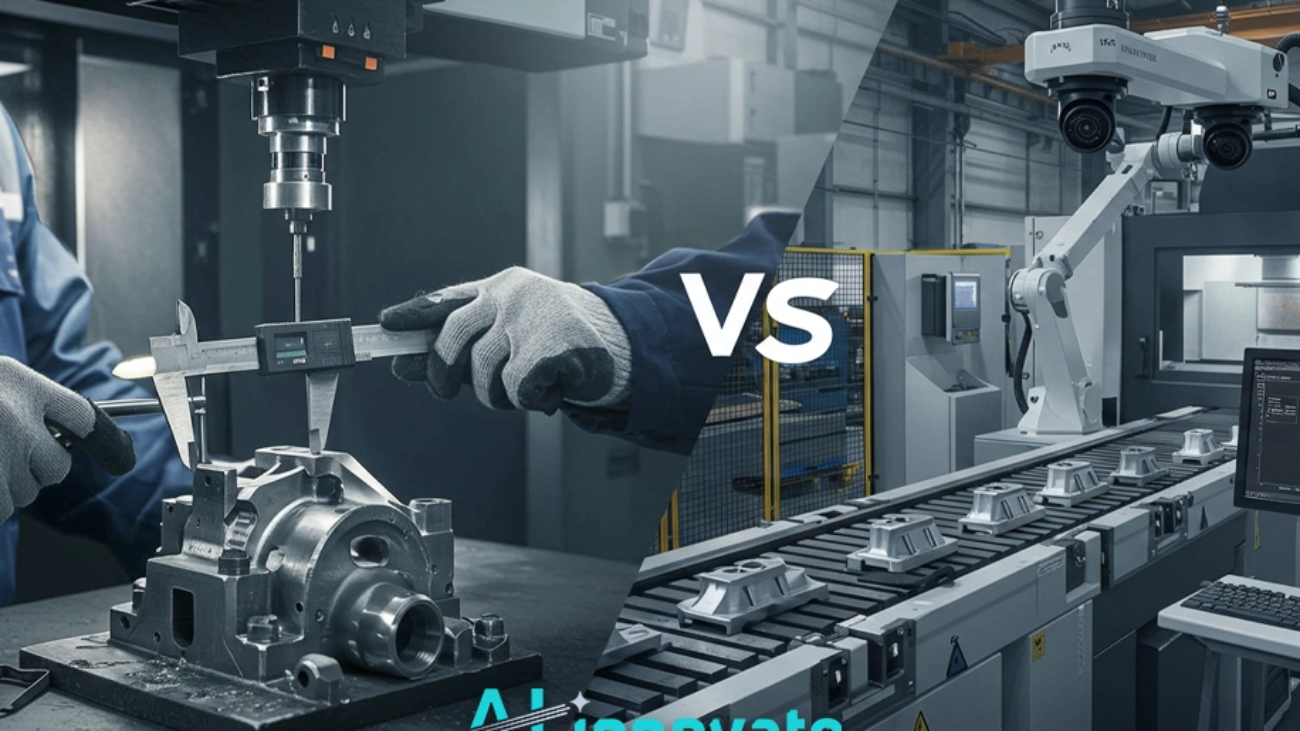
Machine Vision vs Manual Inspection

Manual inspection has been a cornerstone of quality control for generations. However, comparing it with machine vision reveals clear differences.

Accuracy and Consistency

Human inspectors can become fatigued or distracted, especially during repetitive tasks. Machine vision systems maintain consistent accuracy regardless of shift length or workload.

Speed

Modern production lines operate at high speeds that exceed human inspection capabilities. Machine vision systems analyze images in milliseconds, keeping up with rapid manufacturing cycles.

Scalability

As production volumes increase, scaling manual inspection requires hiring and training additional staff. Machine vision systems can scale more efficiently once installed.

Flexibility

Humans excel at handling unusual situations and interpreting ambiguous defects. Machine vision systems may require retraining or reprogramming when product designs change.

In practice, many manufacturers use a hybrid approach. Machine vision handles high-speed repetitive inspection, while human experts review complex or borderline cases.

Future Trends Shaping Machine Vision in Quality Control

Machine vision technology continues to evolve rapidly. Several trends are shaping its future impact on quality control.


Integration of Artificial Intelligence


Deep learning models are becoming more accessible and powerful. These systems can detect subtle, previously unseen defect patterns without extensive manual programming.

Edge Computing

More inspection systems are processing data locally at the production line rather than relying entirely on cloud computing. This reduces latency and supports real-time decision-making.

3D and Hyperspectral Imaging

Advanced imaging technologies allow manufacturers to detect subsurface defects and analyze material composition beyond visible light.

Greater Connectivity

Machine vision systems are increasingly integrated into Industry 4.0 ecosystems. Data from inspections feeds into predictive maintenance models and process optimization systems.

These developments are making machine vision not just an inspection tool, but a central component of intelligent manufacturing strategies.

Conclusion: Elevating Quality Through Intelligent Vision

Machine vision in quality control represents a major shift from reactive inspection to proactive quality assurance. By combining advanced imaging, intelligent software, and real-time feedback, manufacturers can detect defects earlier, reduce waste, and maintain consistent standards at scale.

While manual inspection still has value in certain contexts, machine vision offers unmatched speed, precision, and scalability. As AI and imaging technologies continue to advance, the role of machine vision will only expand, helping manufacturers build more reliable products and more efficient operations.

For companies aiming to stay competitive in increasingly demanding markets, investing in machine vision is not just about automation. It is about building a smarter, more resilient approach to quality control.

Ai-Innovate uses only high-quality sources, including peer-reviewed studies, to support the facts within our articles.

  1. Averroes.ai. (2025). Visual Inspection System Cost Breakdown. Breaks down the key cost components of implementing visual inspection systems, including hardware, software, integration, and ongoing maintenance. Retrieved from https://averroes.ai/blog/visual-inspection-system-cost-breakdown
  2. Akridata.ai Blog. (2025). The ROI of Automated Inspection in Manufacturing. Explores how automated inspection systems deliver return on investment through reduced defects, improved throughput, and lower labor costs. Retrieved from https://akridata.ai/blog/the-roi-of-automated-inspection-in-manufacturing/
  3. Clarifai. (2025). How to Calculate the ROI of Automated Visual Inspection. Provides a practical framework for quantifying cost savings and efficiency gains from visual inspection automation. Retrieved from https://www.clarifai.com/blog/how-to-calculate-the-roi-of-automated-visual-inspection
  4. JLI Vision. (2025). The Cost and ROI of an Automated Surface Inspection System. Discusses typical investment costs, implementation factors, and financial benefits associated with deploying automated surface inspection technology. Retrieved from https://www.jlivision.com/blog/the-cost-and-roi-of-an-automated-surface-inspection-system

FAQ

What is the typical timeframe to see a return on investment (ROI) for automated inspection?

Most manufacturers achieve a full ROI within 12 to 24 months. In high-volume or high-risk sectors like steel or pharmaceuticals, some case studies report much faster paybacks, with one instance showing a 280% ROI in just over 4 months.

Yes. Modern AI-based AVI is specifically designed to handle “organic” variability. While traditional rule-based systems struggle with slight changes, AI models can be trained to recognize that a product is “good” even if components (like toppings on a pizza) are in slightly different spots, provided they meet quality standards.

Yes, but it is a common challenge. Integration often requires building custom APIs or middleware layers to bridge the gap between modern AI real-time workflows and older ERP or MES systems that may only process data in batches.

Not necessarily. In many 2026 deployments, AVI is used to augment rather than replace staff. It handles 100% of high-speed primary inspections, while human experts are reallocated to higher-value tasks, such as investigating the root causes of flagged defects or reviewing “borderline” cases to fine-tune the AI.


Object Detection Is Transforming Quality Control

Smarter Inspections: How Object Detection Is Transforming Quality Control

The days of manual inspection are far behind us. With the ever-increasing demand and customer expectation, good and consistent quality has become the bare minimum. Production lines move fast, product variations are frequent, and even small defects can lead to major recalls or safety issues, and that’s why manual inspection isn’t satisfactory anymore. With the emergence of AI as a befitting alternative, modern systems identify, classify, and locate objects or defects within images in real time.

In this blog, we’ll discuss the role of object detection for quality control and its core principles, how to choose the right imaging method and the most important applications of object detection in quality control.

Machine Vision Automated Inspection for Accuracy at Production Speed.

Modern machine vision systems combine high-resolution imaging with AI analytics to detect defects in real time. Learn how automated inspection improves consistency, reduces labor costs, and ensures reliable quality across high-volume manufacturing environments.

Breaking Down AI Object Detection in Manufacturing

Taking image analysis a step further, AI object detection not only determines whether something is wrong but also pinpoints where the issue is located within the frame.

How Object Detection Algorithms Work

Object detection algorithms combine computer vision and machine learning to analyze images and detect predefined objects or anomalies. Here’s how the process typically works:

  • Image Acquisition: High resolution cameras capture images or video frames from the production line.
  • Preprocessing: The system adjusts brightness, contrast, and noise levels to improve image clarity.
  • Feature Extraction: Deep learning models analyze patterns such as edges, shapes, textures, and color differences.
  • Bounding Box Prediction: The algorithm draws a bounding box around detected objects and assigns a confidence score.
  • Classification: The system labels the object, such as scratch, crack, dent, missing part, or foreign object.

Popular deep learning architectures used in manufacturing include:

  • YOLO for real time detection
  • Faster R CNN for high accuracy detection
  • SSD for balanced speed and performance
  • Vision Transformers for complex pattern recognition

These models are trained on annotated datasets where defects or objects are labeled. The more diverse and accurate the training data, the better the system performs outside of the training ground.

Core Technologies That Power Reliable Detection

Successful implementation of object detection systems involves hardware, software, and workflow integration. Core technologies include:

  • High resolution industrial cameras for capturing detailed images
  • Edge AI processors or GPUs for real time inference
  • Deep learning frameworks for model training and deployment
  • Industrial lighting systems to ensure consistent image quality
  • Integration with PLC and MES systems for automated decision making

In simple terms, the steps to implementing object detection for quality control are:

  1. Define inspection goals and defect types
  2. Collect and annotate training data
  3. Train and validate the detection model
  4. Deploy the model on edge devices or industrial PCs
  5. Integrate with production line controls
  6. Continuously monitor and retrain for performance improvement

A strong feedback loop is essential. When new defect types appear, the dataset must be updated and the model retrained to maintain accuracy.

Choosing the Right Imaging Method for Foreign Object Detection

Foreign object detection requires selecting imaging technology based on material type, product characteristics, and defect visibility. Not all foreign objects are visible under standard lighting.

Here are key imaging methods and when to use them:

1.Standard RGB Cameras: They’re best for visible contaminants, packaging errors, and surface debris.


Advantages:

  • Cost effective
  • Easy to implement
  • Suitable for high speed lines


Limitations:

  • Cannot detect hidden or internal contaminants

2.X Ray Imaging: It’s suitable for detecting metal fragments inside food products, internal structural defects, and dense foreign objects.

Advantages:

  • Detects hidden contaminants
  • Works through packaging


Limitations:

  • Higher cost
  • Requires regulatory compliance

3.Hyperspectral Imaging: Works well with detecting chemical contamination, organic foreign materials, and subtle material differences.


Advantages:

  • Detects defects invisible to human eyes
  • Useful in food, pharmaceutical, and chemical industries


Limitations:

  • Complex data processing
  • Higher computational requirements

4.Infrared Imaging: This is best for detecting heat related defects, insulation flaws, and material inconsistencies.


Advantages:

  • Identifies temperature anomalies
  • Useful for predictive maintenance and quality validation

Selecting the right imaging method depends on product composition, production speed, regulatory requirements, and defect characteristics.


Real-World Applications Across Industries

Object detection is widely used across industries for improving inspection reliability and reducing waste, and so it’s used in a variety of industries for its benefits. Here is a list of real life use cases of object detection in quality control and what it’s used for.

Manufacturing:

  • Detecting scratches, dents, and cracks on metal parts
  • Identifying missing screws or misaligned components
  • Verifying label placement and barcode accuracy

Food and Beverage:

  • Detecting foreign objects in packaged food
  • Inspecting seal integrity
  • Verifying fill levels in bottles

Electronics:

  • Checking solder joint quality
  • Detecting missing or incorrectly placed components
  • Inspecting micro cracks on circuit boards

Automotive:

  • Verifying assembly sequence
  • Inspecting weld seams
  • Detecting paint defects and surface irregularities

Pharmaceuticals:

  • Identifying defective pills
  • Inspecting packaging for tampering
  • Verifying correct labeling and batch codes

How AI-innovate Powers Intelligent Object Detection in Quality Control

As manufacturers move from manual inspection to AI-driven quality assurance, reliable object detection systems require more than just algorithms. They need scalable infrastructure, high-quality training data, and real-time processing at the edge. AI-innovate’s product ecosystem is built to support advanced object detection in modern production environments by helping with:

  • AI-powered defect detection and object classification using AI2Eye, enabling real-time identification, localization, and labeling of scratches, cracks, foreign objects, assembly errors, and surface inconsistencies across high-speed production lines
  • Synthetic data generation and validation through AI2Cam, reducing dependence on rare defect samples by creating controlled training datasets that improve detection accuracy and model robustness
  • Edge deployment and industrial integration powered by AIxCore, an industrial AI edge compute unit built on NVIDIA Jetson Orin AGX, delivering real-time inference, robotics coordination, and seamless integration with PLC, MES, and existing inspection hardware

Whether manufacturers are implementing object detection for foreign object detection, assembly verification, or predictive quality control, AI-innovate provides the tools needed to transform inspection from reactive defect sorting to intelligent, data-driven prevention.

Final Thoughts: From Reactive Inspection to Intelligent Prevention

AI-powered object detection is transforming quality control from a reactive process of sorting out defects to a proactive process of ensuring quality. Rather than merely identifying defective products at the end of the production line, manufacturers can now detect issues earlier and adjust processes before defects become widespread.

I believe as production speeds increase and tolerance levels decrease, automated object detection will become a standard requirement rather than an optional upgrade. Those that adopt it strategically will enjoy greater reliability, lower costs and a competitive edge in an increasingly demanding market.

Ai-Innovate uses only high-quality sources, including peer-reviewed studies, to support the facts within our articles.

  1. ScienceDirect. (2022). Advances in Automated Visual Inspection and Quality Control.
    A research article examining recent developments in visual inspection, pattern recognition, and machine learning techniques for quality assurance in industrial settings.
    Retrieved from https://www.sciencedirect.com/science/article/pii/S2212827122015037
  2. Medium – API4AI. (2025). AI Object Detection API: Key to Automated Quality Control.
    Explains how object detection APIs powered by AI can streamline automated quality checks, improve defect detection accuracy, and reduce manual inspection effort.
    Retrieved from https://medium.com/@API4AI/ai-object-detection-api-key-to-automated-quality-control-a0ab2ebd3cdb
  3. DAC Digital. (2025). Foreign Object Detection for Quality Control Solutions.
    An overview of solutions that use machine vision and deep learning to identify foreign objects and anomalies in production environments.
    Retrieved from https://dac.digital/deep-tech/our-solutions/quality-control-solutions/foreign-object-detection-for-quality-control-solutions/
  4.  

FAQ

How often should models be retrained?

Models should be retrained whenever there are changes in the environment, such as new lighting, different background colors, or new types of product variations. Many manufacturers perform updates every few months to ensure accuracy remains high.

Variable lighting conditions and reflections off metallic or glass surfaces are the primary hurdles, often requiring custom strobes or polarized filters. Additionally, integrating the software with existing PLC hardware to trigger physical rejection arms in millisecond windows requires precise synchronization between the vision system and the assembly line.

You can start with as few as 30–50 images per defect class using transfer learning, though high-precision systems typically require hundreds or thousands. For rare defects, anomaly detection models can be trained solely on “good” parts to flag anything unusual, and synthetic data can fill gaps where real-world examples are missing.

Computer Vision Applications in Manufacturing for 2026

Computer Vision Applications in Manufacturing for 2026

Manufacturing in 2026 looks very different from what it did just a few years ago. Computer vision is no longer limited to basic inspection cameras on production lines. It has evolved into an intelligent system that connects quality control, robotics, maintenance, safety, and logistics into one coordinated ecosystem.

As factories continue to adopt Industry 4.0 technologies, computer vision is becoming one of the most impactful tools shaping smart manufacturing environments.

Below, we explore the top applications leading the way in 2026, followed by emerging technologies and high impact use cases across industries.

Computer Vision Applications in Manufacturing for 2026

Explore how computer vision is shaping manufacturing in 2026, from advanced defect detection and robotic guidance to predictive analytics and autonomous quality control. Learn how AI-powered vision systems drive efficiency, resilience, and competitive advantage.

Top 2026 Manufacturing Computer Vision Applications

Computer vision is widely used in smart factories for maximum optimization. Some of the manufacturing steps revolutionized by computer vision include:

Automated Defect Detection and Quality Control

Quality inspection remains the most widely adopted computer vision application in manufacturing. In 2026, systems use ultra high resolution cameras combined with Vision Transformers and advanced deep learning models to detect even microscopic defects.

Unlike traditional inspection systems, these AI-driven quality control platforms operate in real time and continuously learn from new production data.

Modern systems can identify:

  • Surface scratches and cracks
  • Micro fractures in metals and composites
  • Coating inconsistencies
  • Packaging and labeling defects
  • Assembly misalignments

Predictive Maintenance

Instead of waiting for equipment to fail, computer vision systems now monitor machinery continuously. Cameras track signs of wear such as:

  • Misaligned gears
  • Worn belts
  • Oil leaks
  • Vibrations and abnormal movement patterns

By analyzing visual patterns over time, AI models predict when maintenance is needed. Predictive maintenance is especially valuable in high throughput industries where every minute of downtime impacts revenue.

Robotic Guidance and Autonomous Systems

In 2026, 3D depth sensing and real time scene analysis allow robots and Automated Guided Vehicles to:

  • Navigate complex factory floors
  • Pick and place items with high precision
  • Adjust grip based on object shape
  • Work safely alongside human operators

Computer vision allows for more flexible automation by enabling dynamic path planning and object recognition. This is especially helpful in places that handle a variety of products or make frequent design changes.

Worker Safety and Compliance Monitoring

Overhead cameras powered by AI now monitor workplaces to ensure compliance with safety regulations. When violations occur, supervisors receive instant alerts. These systems can detect:

  • Missing personal protective equipment such as helmets or gloves
  • Unsafe worker behavior
  • Entry into restricted areas
  • Dangerous proximity to heavy machinery

Assembly Sequence Validation and Precision Inspection

Computer vision verifies that every step of the assembly process is completed correctly. Systems track component placement and confirm proper sequence at each production stage. This closed loop validation significantly reduces rework.

Smart Inventory and Logistics Management

Warehouse operations are becoming more automated, with systems that use vision technology. Cameras track inventory levels, monitor material movement, and automate stock counting.


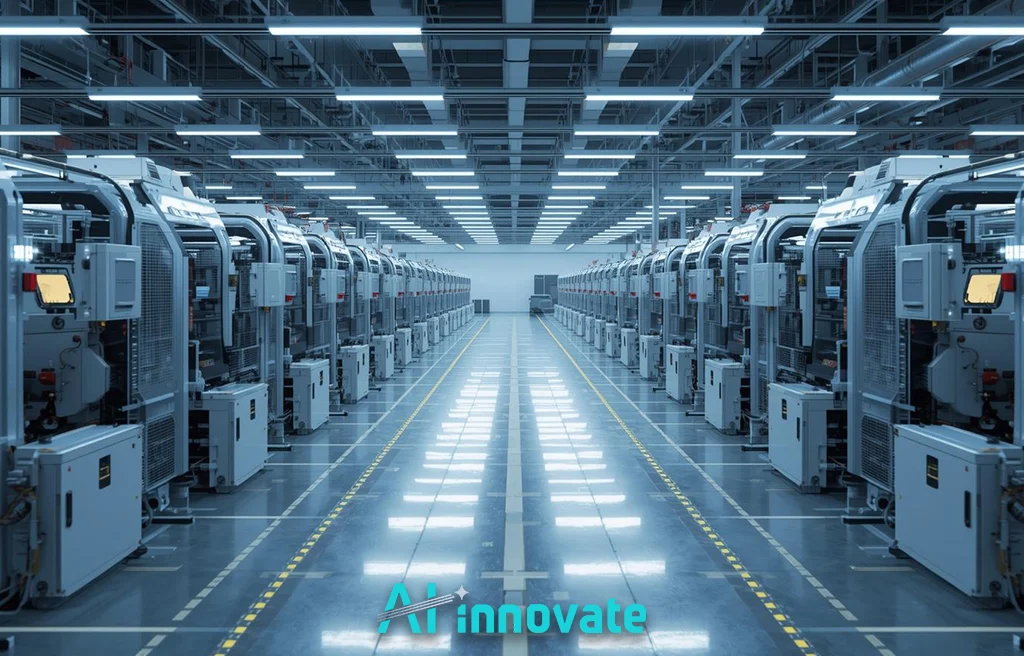
Modern factory floor with rows of automated industrial machines aligned symmetrically along a wide central aisle, bright overhead lighting, and a clean high-tech manufacturing environment.

Emerging 2026 Trends and Technologies

 The world of AI-powered tools is rapidly changing, and new technologies enter the scene every day. Some technologies that we’ll see more of in the near future include:

Edge AI and Real Time Processing

In 2026, more computer vision systems process data directly at the edge instead of sending everything to the cloud. Edge AI allows immediate decision making with minimal latency. Edge deployment is especially important in environments where split second decisions change everything.

Synthetic Data for Training

One of the biggest challenges in AI development is obtaining high quality labeled data. Synthetic data generation is becoming a major solution in 2026.

Manufacturers use simulated environments to create training datasets that include rare defect scenarios. This improves model performance without requiring massive real world data collection.


Hyperspectral Imaging

Hyperspectral imaging captures data beyond visible light, enabling deeper material analysis. In industries that manufacture complex products, hyperspectral imaging improves the quality control and validation of materials.

High Speed Vision Sensors

High Speed Vision Sensors enable faster image capture and processing. This is crucial for industries operating at extremely high production speeds. As costs decrease, adoption of HVS technology is expected to expand significantly.


High Impact Applications by Industry

This is where computer vision shines the most.

Autonomous and Assisted Mobility


Computer vision is central to perception stacks used in ADAS and autonomous systems. Detection, tracking, and semantic segmentation rely on advanced CV pipelines supported by radar and LiDAR integration.


Healthcare Imaging

Computer vision assists radiologists and pathologists by analyzing imaging data and identifying abnormalities. In surgical environments, vision guided systems enhance precision and reduce clinician workload when integrated into validated workflows.

Retail and Logistics

Vision systems are used in automated checkout, shelf analytics, demand forecasting, and warehouse picking automation. These capabilities reduce labor costs and increase operational efficiency.


Manufacturing Quality and Predictive Maintenance

In industrial production, computer vision drives closed loop quality control and predictive maintenance systems. Micro defect detection and automated corrective feedback increase yield and reduce manual inspection expenses.

AR VR and Wearables

Spatial computing and augmented reality devices rely on real time scene understanding. Major technology companies are accelerating development of AI driven AR experiences. Upcoming consumer hardware releases expected in 2026 highlight the growing practical demand for advanced vision processing.

How AI-innovate Enables Advanced Computer Vision Applications in 2026

AI-innovate supports manufacturers deploying next-generation computer vision systems by delivering an integrated AI ecosystem built for real-time performance, scalability, and industrial reliability. Our products help transform advanced vision strategies into practical, production-ready solutions through:

  • AI-powered defect detection and quality monitoring with AIxEye, enabling real-time surface inspection, assembly validation, and precision measurement across high-speed production environments
  • Synthetic data generation and model validation with AIxCam, accelerating training for rare defect scenarios, improving model robustness, and reducing reliance on extensive real-world data collection
  • Industrial edge processing with AIxCore, powered by NVIDIA Jetson Orin AGX, delivering real-time machine vision inference, robotics processing, isolated power architecture, and integrated industrial Ethernet for seamless factory integration

Whether manufacturers are modernizing legacy inspection systems or building fully connected smart factories, AI-innovate’s solutions provide the performance, flexibility, and edge intelligence required to deploy computer vision confidently at scale.

Conclusion

By 2026, computer vision will be a key part of manufacturing operations and other areas. New technologies like edge AI, synthetic data, hyperspectral imaging, and high-speed sensors are making performance better than ever. As industries move toward smarter, more connected ecosystems, we believe computer vision is no longer optional. It’s becoming a basic technology that increases efficiency, accuracy, safety, and innovation in modern manufacturing.

Ai-Innovate uses only high-quality sources, including peer-reviewed studies, to support the facts within our articles.

  1. Medium – Hire AI Developer. (2025). Computer Vision in 2026: Applications.
    A forward-looking overview of how computer vision technologies are evolving by 2026, including core technical trends and high-impact industry use cases across sectors like manufacturing, healthcare, and retail. (Medium)
    Retrieved from https://medium.com/@hireaideveloper/computer-vision-in-2026-applications-3bc7d89c1fd9
  2. Averroes.ai Blog. (2025). 7 Computer Vision Applications in Manufacturing & Industry.
    Practical insights into how computer vision enhances manufacturing operations, from real-time quality control and defect detection to process monitoring and integration with quality systems. (Averroes AI)
    Retrieved from https://averroes.ai/blog/computer-vision-manufacturing
  3. CVAT Resources. (2026). The Most Popular Datasets for Computer Vision Applications in 2026.
    A comprehensive guide to widely used computer vision datasets, explaining their strengths, typical tasks they support (e.g., object detection, segmentation), and considerations for choosing the right dataset for specific applications. (cvat.ai)
    Retrieved from https://www.cvat.ai/resources/blog/popular-computer-vision-datasets#examples-of-use-cases-for-computer-vision-datasets

FAQ

What is computer vision in manufacturing?

Computer vision in manufacturing refers to the use of AI-powered cameras and image-processing systems to inspect products, monitor production lines, and detect defects automatically. These systems help manufacturers improve quality, reduce human error, and increase production efficiency.

Real-world data collection and manual labeling have become bottlenecks. Manufacturers now use Digital Twins and Generative AI to simulate rare defects, cutting development cycles from months to weeks.

Processing data locally on the factory floor (at the “edge”) is now critical for maintaining high speeds and ensuring data privacy without relying on external cloud connections.

Computer vision systems analyze images and video in real time to identify scratches, cracks, missing components, alignment problems, and other production defects. Many manufacturers combine this technology with AI for Quality Assurance solutions to create faster and more accurate inspection workflows.

Yes. AI-powered computer vision systems can detect microscopic defects and inconsistencies that human inspectors may miss, especially during high-speed production. They also maintain consistent inspection standards without fatigue or human variability.

An Automated Optical Inspection Machine uses high-resolution cameras, lighting systems, and AI algorithms to inspect products for defects during manufacturing. These systems compare products against predefined quality standards and instantly flag defective items.

Machine Vision Systems for Automated Inspection

Machine Vision Systems for Automated Inspection: How They Work & Why They Matter

Machine vision systems for automated inspection are now at the core of modern quality control. As manufacturing becomes faster and more precise, inspection methods must keep up. Traditional manual inspection can no longer meet the demands of high speed production lines or the strict quality standards required in industries, and machine vision is what makes it possible to meet demands instead. In this blog, we’ll investigate the core components and types of machine vision for automated inspection and how it has improved inspection comparatively.

Machine Vision for Automated Inspection Accuracy at Production Speed.

Modern machine vision systems combine high-resolution imaging with AI analytics to detect defects in real time. Learn how automated inspection improves consistency, reduces labor costs, and ensures reliable quality across high-volume manufacturing environments.

Components of Machine Vision for Automated Inspection

A machine vision system is more than a camera: an integrated setup designed to capture, process, and analyze visual information quickly and reliably.

Here are the key components:

Cameras

Cameras capture images of products or components as they move along the production line. Depending on the application, systems may use:

  • 2D cameras for surface inspection
  • 3D cameras for depth and dimensional measurement
  • High resolution cameras for micro defect detection
  • Line scan cameras for continuous web or roll inspection

Lighting

Lighting is critical in machine vision. Poor lighting can cause shadows, reflections, or missed defects. Proper lighting plays a major role in getting the best possible results.

Common lighting setups include:

  • Ring lights for uniform illumination
  • Backlighting for silhouette and shape detection
  • Structured lighting for 3D scanning
  • Infrared or ultraviolet lighting for material analysis

Lenses and Optics

Lenses control how clear and wide an image is. If you set the right focal length and aperture, you can capture the target area accurately without distortion. Precision optics are very important for industries that have very exacting standards, where measurements must be extremely accurate.

Image Processing Software

The software is the brain of the system. It processes captured images and applies algorithms to detect anomalies, measure dimensions, or verify assembly.

Modern systems use:

  • Rule based algorithms for simple inspections
  • AI and deep learning models for complex defect detection
  • Pattern matching for assembly verification
  • Optical character recognition for label inspection


Processing Hardware

Industrial PCs, GPUs, or edge devices handle image processing in real time. In 2026, edge AI processors are increasingly common, allowing immediate decisions without cloud latency.


camera

Types of Machine Vision Used for Automated Inspection and What They Do

Each machine vision system is made to complete certain tasks in the inspection process.

2D Vision Systems

These are the most common systems used for surface level inspections. They analyze flat images to detect defects, verify labels, and measure simple dimensions.

Best suited for:

  • Detecting scratches and cracks
  • Checking color consistency
  • Verifying printed text and barcodes
  • Identifying missing components

3D Vision Systems

3D systems measure depth and volume. They’re essential for dimensional accuracy and assembly validation.

Applications include:

  • Checking part alignment
  • Measuring height and depth
  • Inspecting weld seams
  • Robotic guidance

AI Based Vision Systems

AI powered systems use deep learning models to recognize patterns and subtle defects that traditional systems might miss. These systems capture information beyond visible light. They analyze material composition and detect defects invisible to the human eye.

They are ideal for:

  • Complex surface defect detection
  • Detecting unpredictable defect types
  • Adapting to product variations
  • Learning from new data over time
  • Hyperspectral and Multispectral Vision

Best Machine Vision Systems for Automated Inspection in 2026

By 2026, these systems will be more compact and clever. They’ll also work better with other systems. Leading solutions typically offer:

  • High resolution imaging with ultra fast frame rates
  • Edge AI processing for real time decisions
  • Seamless integration with robotic systems
  • Scalable software platforms
  • Cloud connectivity for analytics and reporting 
  • Advanced deep learning inspection tools

The best systems are flexible. Manufacturers are demanding platforms that can handle multiple inspection tasks without needing to completely change the hardware.

Modular systems that allow camera upgrades, software updates, and AI model retraining are becoming the preferred choice for operations that want to stay ahead of the game.

Machine Vision vs. Human Inspection: Accuracy, Speed and ROI

While human inspectors are skilled at recognizing obvious defects, machine vision systems offer measurable advantages in several areas.

Accuracy

Machine vision systems maintain consistent accuracy over time. They don’t experience fatigue, distraction, or variability between shifts. AI powered systems can detect micro defects that may be invisible to the human eye.

Speed

Modern production lines move at extremely high speeds. Machine vision systems inspect hundreds or thousands of parts per minute without slowing down production, which humans are incapable of.

Return on Investment

Although the initial cost of installing a machine vision system may be significant, long term savings are substantial. Over time, the improved yield and reduced operational risk often justify the investment. Benefits include:

  • Reduced scrap and rework
  • Lower labor costs
  • Fewer warranty claims
  • Improved production uptime
  • Enhanced product consistency

That said, machine vision doesn’t completely replace human oversight. Many facilities use hybrid systems where humans review flagged anomalies for final validation.

How AI-innovate Supports Anomaly Detection in Quality Control

As anomaly detection becomes more central to modern quality control, manufacturers need reliable AI tools that can operate in real time, integrate with existing production systems, and adapt to complex industrial environments. AI-innovate’s product ecosystem is designed to support intelligent anomaly detection across manufacturing operations by helping with:

  • AI-powered visual anomaly detection using AI2Eye, enabling real-time identification of surface defects, subtle pattern deviations, and complex quality issues that traditional rule-based systems may miss
  • Synthetic data generation and validation through AI2Cam, helping teams train anomaly detection models efficiently, especially when real defect samples are rare or difficult to capture
  • Edge deployment and industrial integration powered by AIxCore, an industrial AI edge compute unit built on NVIDIA Jetson Orin AGX, delivering real-time machine vision processing, robotics integration, and secure industrial Ethernet connectivity directly on the factory floor

Whether manufacturers are implementing anomaly detection for defect prevention, predictive maintenance, or full smart factory integration, AI-innovate’s solutions provide the infrastructure needed to move from reactive inspection to intelligent, data-driven quality control.

Conclusion

Machine vision systems for automated inspection have been a game changer in the manufacturing world. By combining advanced imaging, smart software, and real-time processing, these systems deliver far more valuable results than traditional inspection.

We believe in 2026, the best manufacturers are those that use machine vision as a key part of their strategy, working together with robotics, predictive maintenance, and smart factory technologies. As production demands grow, machine vision will continue to be a key part of automated inspection and making sure operations are done well.


Ai-Innovate uses only high-quality sources, including peer-reviewed studies, to support the facts within our articles.

  1. IEEE Xplore. (2005). Vision-Based Inspection and Real-Time Monitoring Techniques.
    A foundational IEEE article detailing machine vision methods for visual inspection and automated monitoring in industrial processes (peer-reviewed technical research).
    Retrieved from https://ieeexplore.ieee.org/document/1612825
  2. Cognex Resource Center. (2026). Types of Machine Vision Systems and Their Uses.
    An industry resource from a leading machine vision provider explaining major system categories (2D, 3D, line-scan) and how they support tasks like defect detection and measurement.
    Retrieved from https://www.cognex.com/en/tools-and-resources/resource-center/machine-vision/types-of-machine-vision-systems
  3. Springer Handbook Entry. (2025). Artificial Intelligence, Machine Learning, and Smart Technologies for Nondestructive Evaluation.
    A reference work chapter on integrating AI and smart sensing into modern nondestructive evaluation, highlighting machine vision’s role in automated, intelligent defect detection.
    Retrieved from https://link.springer.com/rwe/10.1007/978-3-031-84477-5_70
  4. Springer Nature. (2026). Machine Vision Technology.
    A comprehensive book covering key algorithms, practical use cases, and application systems in machine vision (note: subscription or institutional access may be required).
    Retrieved from https://link.springer.com/book/9789819511839

FAQ

What’s the difference between machine vision and manual inspection?

Machine vision systems provide consistent, high-speed, and objective inspections 24/7, whereas manual inspection is slower, subject to human error and fatigue, and less scalable.

These systems are widely used in automotive, electronics (PCB inspection), food & beverage, pharmaceuticals, packaging, and general manufacturing for quality checks, assembly verification, and sorting tasks

Vision systems analyze captured images against predefined criteria or trained models to identify defects such as surface flaws, missing components, dimensional deviations, or labeling errors.

Computer Vision in Smart Factories

Computer Vision in Smart Factories: What It Is and What It Does

Manufacturing is nearly impossible without visual inspection, so it’s no question that a good visual inspection process is worth investing in. Customer expectations are ever-increasing, regulatory requirements are as tight as ever, and production lines have never been faster. That’s why many manufacturers are taking a closer look at automated visual inspection.

The big question isn’t whether the technology works, but whether the investment makes financial sense. So in this guide, we’ll break the discussion into what automated visual inspection brings, what it costs to implement, and how those costs translate into measurable returns.

Computer Vision in Smart Factories. Turning Images into Intelligence.

Computer vision empowers smart factories to detect defects, monitor processes, and optimize production in real time. By transforming visual data into actionable insights, AI-driven vision systems improve quality, reduce waste, and accelerate data-driven decision making across the factory floor.

Overview of AI computer vision in a smart factory

Computer vision works like a tireless eye that looks at images and videos and analyzes them based on data. Cameras and sensors work as the “eye” and artificial intelligence algorithms analyze what they “see”. In a smart factory, these systems are integrated into production lines, robotic arms, inspection stations, and logistics workflows to speed up decision making.

Traditional vision systems use rules and simple patterns to identify defects, but AI-powered computer vision uses machine learning and deep learning models to do this. With the help of AI, it can also track objects, classify components and monitor processes. These systems get better the more data they process.

In practical terms, computer vision enables machines to:

  • Detect defects that may be invisible to the human eye
  • Measure dimensions with high precision
  • Monitor production lines in real time
  • Ensure compliance with quality standards
  • Improve safety by detecting hazardous conditions

It essentially adds visual intelligence to automation systems.

Benefits of Implementing Computer Vision AI

The addition of computer vision in smart factories has allowed for many operational advantages, some of which include:

Improved Quality Control

Computer vision systems are very effective during surface defect detection. Assembly errors, and dimensional inconsistencies are detected with great accuracy when compared to manual inspection.

Real-Time Decision Making

AI enables immediate image processing, so in case of a defect, it can trigger immediate corrective actions. This minimizes downtime and keeps production running efficiently.

Reduced Labor Costs

Computer vision can automate repetitive inspection tasks and allows human workers to focus on higher-value activities such as system optimization and strategic planning.

Increased Production Speed

Computer vision operates continuously without fatigue. Since no breaks are needed and the data processing is instant, it leads to faster inspection cycles and higher throughput.

Data-Driven Process Optimization

AI systems collect visual data that can be analysed to identify trends, root causes of defects, and opportunities for improvement.

Top 10 Use Cases of Computer Vision in Smart Factories in 2026


These examples show how computer vision is used in production systems, not as a separate tool. Here are ten practical ways that computer vision is used in modern manufacturing:

  1. Surface Defect Detection: Computer vision helps with identifying cracks, scratches, corrosion, or coating inconsistencies on products like metals, electronics, and automotive parts.
  2. Assembly Verification: It’s used to ensure that components are correctly installed, aligned, and assembled before moving to the next stage.
  3. Dimensional Measurement: Vision systems are used to measure part dimensions with high precision and verify tolerance compliance.
  4. Predictive Maintenance Support: Monitoring machinery for visual signs of wear, leaks, or misalignment to prevent unexpected breakdowns.
  5. Robot Guidance and Control: AI-powered systems allow robotic arms to locate, pick, and place parts accurately using visual input.
  6. Inventory Tracking and Logistics: computer vision automates tracking materials, identifying barcodes or QR codes, and monitoring warehouse flow.
  7. Packaging Inspection: It checks labels, seals, and packaging quality to ensure compliance with regulatory and branding standards.
  8. Worker Safety Monitoring: Computer vision can be used to protect human workers by detecting whether workers are wearing protective equipment and identifying unsafe behaviors in real time.
  9. Process Monitoring in Real Time: AI computer vision monitors manufacturing processes such as welding, soldering, or coating to detect anomalies instantly.
  10. Automated Sorting and Classification: With the ability to see and analyze, computer vision is able to sort products based on visual characteristics such as size, color, or defect presence.
Modern factory floor with rows of automated industrial machines aligned symmetrically along a wide central aisle, bright overhead lighting, and a clean high-tech manufacturing environment.

How AI-innovate Powers Computer Vision in Smart Factories

AI-innovate supports manufacturers implementing computer vision in smart factories by delivering a complete industrial AI ecosystem built for real-time performance, scalability, and reliability. Our products enable factories to move from isolated vision tools to fully integrated, intelligent automation systems by providing:

  • AI-driven quality control with AI2Eye, enabling accurate surface inspection, assembly verification, and real-time process monitoring across production lines
  • Synthetic data generation and model validation through AI2Cam, reducing dependency on rare defect samples and accelerating the development and optimization of vision models
  • Industrial-grade edge AI processing with AIxCore, powered by NVIDIA Jetson Orin AGX, delivering real-time machine vision, robotics processing, isolated power architecture, and integrated industrial Ethernet for seamless factory deployment

Whether manufacturers are building new smart factory infrastructure or upgrading existing automation systems, AI-innovate’s products provide the edge intelligence, flexibility, and performance needed to deploy computer vision at scale and turn visual data into operational advantage.

Conclusion

Computer vision is a foundational technology in smart factories. It has already had a revolutionary impact on automated inspection, improving quality, enhancing safety, and optimizing production processes. It’s no doubt that with the rapidly advancing world of AI, computer vision will become of even greater importance in the future.

I believe for manufacturers who want to stay competitive in a world that’s becoming more automated, using computer vision is now essential. It’s an investment that will make the manufacturing processes more efficient, reliable, and better in the long term.

Ai-Innovate uses only high-quality sources, including peer-reviewed studies, to support the facts within our articles.

  1. How Computer Vision Is Powering Smart Factories
    Medium — An accessible overview of how computer vision technologies are being integrated into smart manufacturing workflows.
    https://medium.com/@chinmayiadsul/how-computer-vision-is-powering-smart-factories-00c66e6093ea
  2. The Role of Computer Vision & AI in Smart Manufacturing
    Ripik — Discussion of how AI and computer vision support automation, quality inspection, and efficiency improvements in manufacturing.
    https://www.ripik.ai/the-role-of-computer-vision-ai-in-smart-manufacturing/
  3. Application of Computer Vision in Industry (MDPI Article)
    Applied Sciences (MDPI) — Peer-reviewed article on applied computer vision research relevant to industrial applications.
    https://www.mdpi.com/2076-3417/15/18/10157
  4. Computer Vision in Industrial Contexts (Theses Repository)
    Theseus — Academic thesis related to computer vision applications in industrial or engineering domains.
    https://www.theseus.fi/handle/10024/894015
  5.  

FAQ

How is computer vision used in manufacturing?

Computer vision systems improve robot-based manufacturing by allowing the robots to see exactly what they are doing. This means that they can spot any problems as they are putting parts together. A computer vision platform can guide robotic arms to do things like put parts in place and do welding.

Computer vision is used in many industries, like self-driving vehicles, manufacturing, agriculture, entertainment, city planning, and more. It changes how computers and machines interact with the world.

Computer vision is a technology that lets machines automatically recognise and describe images accurately and efficiently. Now, computers can access lots of images and video data from or created by smartphones, traffic cameras, security systems and other devices.

Yes, computer vision is a type of artificial intelligence (AI). At its most basic, AI refers to systems designed to perform tasks that usually require human-like reasoning, perception, or decision-making.

High-Speed Imaging for Automated Inspection

High-Speed Imaging for Automated Inspection

As manufacturing lines speed up, inspection systems are being put to the test. What was good enough at moderate speeds often doesn’t work when cycle times get shorter and part volumes go up. In these environments, defects are just as likely to happen. They just become harder to see.

High-speed production makes it hard to ensure quality. Inspection must keep pace without sacrificing accuracy, consistency, or coverage. Traditional cameras and manual checks can’t handle these conditions well. This can lead to defects being missed or the number of inspections being reduced.

This is important because inspection is more than just checking that things are up to standard. It is a very important way to understand how processes work, especially in automated and data-driven manufacturing environments.

In this article, we explore how high-speed imaging enables automated visual inspection at production speed, where it delivers the most value, what technical considerations matter most, and how manufacturers can use it to improve defect detection and process understanding.

High-Speed Imaging Inspection Without Slowdowns.

High-speed imaging enables automated inspection at full production speed capturing defects in milliseconds without disrupting throughput. Discover how advanced cameras and AI vision ensure precision, consistency, and real-time quality control on fast-moving lines.

What High-Speed Imaging Means in Automated Inspection

High-speed imaging uses cameras that can take many pictures very quickly. These cameras also take good pictures, which helps with defect detection in manufacturing. In automated inspection, this capability allows every part, feature, or surface to be checked without slowing down production.

High-speed cameras are different from standard imaging systems. They are designed to freeze motion, capture transient events, and operate reliably in continuous, high-throughput environments. This makes them great for checking things quickly, even when they’re moving fast and you don’t have much time.

When line speeds are higher, conventional inspection systems have several limitations.

Motion blur makes it hard to see small problems in an image. The system can’t inspect continuously because the frame rate is limited. The time the camera is open (exposure time) can make it hard to see the difference between light and dark colors, especially on surfaces that are shiny or have texture.

These limitations mean that we have to make some compromises. Inspection zones are reduced, defect criteria are simplified, or inspection is moved downstream. Each time you make a compromise, there’s a higher chance that you’ll miss defects and delays in fixing them.

High-speed imaging solves these problems by matching the ability to inspect with the reality of production.

How High-Speed Imaging Enables Automated Inspection

Freezing Motion Without Sacrificing Detail

You can take clear, blur-free pictures of fast-moving objects if you use a high frame rate and a short exposure time. This is important for surface defect detection, like imperfections or size differences.

Maintaining Full Inspection Coverage

High-speed imaging lets you check every unit instead of just checking some of them every so often. This helps make consistent decisions about quality and reduces the need to guess about where defects are located.

Supporting Real-Time Processing

When paired with edge processing, high-speed imaging feeds inspection results directly into automated decision-making. Defects can be identified, rejected, or related to the process conditions without stopping production.

High-speed industrial inspection camera scanning products on a fast-moving conveyor belt inside a modern factory using blue LED lighting.

Integration With Automated Inspection Systems

High-speed imaging does not work alone. Its value depends on how well it works with the overall inspection system.

Lighting must be timed perfectly to make sure the image quality stays the same. The trigger and timing must be in sync with the part’s position and movement. Data pipelines must handle large image volumes without adding delay.

When these elements are in place, high-speed imaging becomes a key part of automated inspection, instead of slowing things down.

Role of AI in High-Speed Inspection Environments

High-speed imaging creates a lot of data. It’s not practical to define inspection rules manually for every situation.

AI-based inspection systems deal with this challenge by learning patterns from data instead of just using fixed thresholds. Machine learning models can adapt to different surfaces, materials, and production conditions, making them suitable for high-speed environments.

In these systems, high-speed imaging provides the raw visibility, while AI provides the interpretive layer that turns images into useful information.

This Topic might also interest you :

Applications Across Manufacturing Industries

High-speed imaging is particularly valuable in environments where inspection windows are short and defect costs are high.

Common applications include:

Across these use cases, the goal is the same. Detect defects without slowing production or reducing coverage.

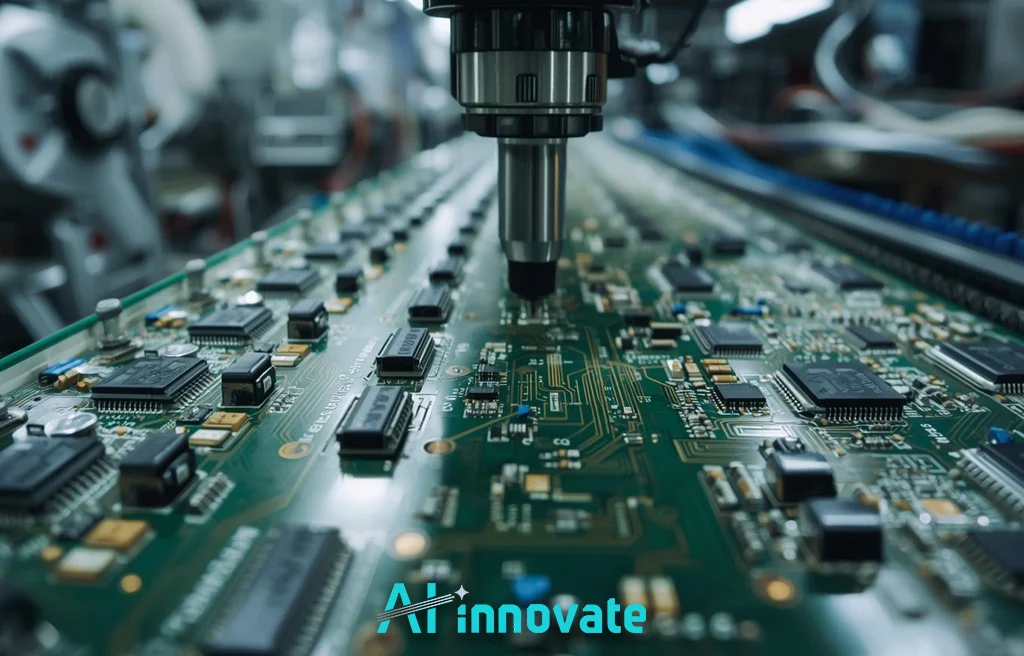
Automated machine vision system inspecting electronic circuit boards on a production line, with a precision camera positioned above densely populated PCB components.

How AI Innovate Supports High-Speed Automated Inspection

High-speed imaging is only valuable when inspection results can be interpreted and acted on in real time. AI Innovate helps manufacturers turn high-speed visual data into usable insight by connecting imaging, intelligence, and process context.

  • AI2Cam allows teams to simulate high-speed cameras, lighting conditions, and defect scenarios during development, making it easier to validate inspection performance before deployment on fast-moving lines.
  • AI2Eye enables real-time, inline inspection using AI-powered vision, allowing defects to be detected and classified at production speed without reducing coverage or accuracy.
  • AIXCore provides edge-level intelligence that processes high-speed inspection data locally, correlates defects with process conditions, and supports rapid response without relying on cloud latency.

Together, these tools help manufacturers deploy high-speed inspection systems that not only keep up with production, but also support deeper understanding of defect behavior and process stability.

Conclusion

High-speed imaging is very important for automated inspection at modern production speeds. It gets rid of motion blur, keeps everything in view, and lets you make decisions right away. This makes it easy to use quality control with automation.

In my view the most value of high-speed inspection systems comes when they are used as part of a larger plan to improve quality and process intelligence. When high-speed imaging is combined with smart analysis and used in production workflows, it can catch defects earlier. It can also help manufacturers understand why defects occur. This understanding is essential for maintaining quality as manufacturing continues to accelerate.

Confused About Where to Start with AI?

Our specialists help you identify the right AI approach based on your process, data, and goals.

Ai-Innovate uses only high-quality sources, including peer-reviewed studies, to support the facts within our articles.

  1. Government of Canada. (2024). Advanced Manufacturing and Automation Technologies
    Overview of high-speed automation, inspection systems, and digital technologies supporting modern manufacturing environments.
    Retrieved from canada.ca
  2. Innovation, Science and Economic Development Canada. (2023). Artificial Intelligence in Industrial Automation
    Explains how AI and advanced imaging systems are applied to real-time inspection and production monitoring.
    Retrieved from ised-isde.canada.ca
  3. National Research Council Canada. (2023). Digital Manufacturing and Intelligent Inspection Systems
    Discusses research and industrial applications of high-speed sensing, machine vision, and data-driven inspection.
    Retrieved from nrc.canada.ca

FAQ

What is high-speed imaging in automated inspection?

High-speed imaging in automated inspection uses specialized industrial cameras. These cameras can capture hundreds or thousands of images per second. They inspect products moving at high production speeds. Combined with machine vision and AI, it enables manufacturers to detect defects, measure dimensions, and verify product quality in real time without slowing down the production line.

A high-speed imaging system captures images as products move through an inspection station. Industrial lighting freezes motion while a trigger sensor synchronizes image capture. AI-powered software then swiftly analyzes each image to identify defects, classify products, and communicate inspection results to production equipment in real time.

High-speed imaging refers to the rapid capture of high-quality images using specialized cameras, while machine vision is the complete inspection system that combines cameras, lighting, software, AI algorithms, and industrial controls to analyze images and automate quality decisions.

Not when properly designed. With synchronized lighting and correct camera selection, high-speed imaging can improve accuracy by eliminating motion blur and capturing consistent images at speed.

No. While surface inspection is a common use case, high-speed imaging is also valuable for alignment checks, assembly verification, packaging inspection, and capturing short-duration process events.

High-speed imaging is superior to manual inspection. It offers faster inspection speeds, higher consistency, improved accuracy, continuous 24/7 operation, reduced labor costs, and better traceability through automated image recording and data analysis.

High-speed imaging becomes necessary when production speed exceeds the capture capability of standard cameras, leading to motion blur, reduced inspection coverage, or missed transient defects.

Machine Vision vs Human Inspection

Machine Vision vs Human Inspection – Reliability in Industry

The human eye, for all its adaptability, has non-negotiable physical limits in resolution, spectral range, and consistency. In applications where defects are measured in microns and inspection cycle times in milliseconds, these limits become a critical point of failure. The core of the Machine Vision vs Human Inspection analysis rests on these physical realities of performance under pressure.

Our mission at AI-innovate is to deliver systems that operate with unwavering precision far beyond these human thresholds. This article delves into the granular, evidence-based metrics of accuracy and reliability, presenting a technical comparison for engineers and QA leaders.

Let Vision Systems Lead Inspection

Precise, automated defect detection at scale.

The Spectrum of Human Vigilance

For decades, human inspectors have been the cornerstone of quality assurance. Their cognitive flexibility and intuitive understanding allow them to identify novel or unexpected defects that fall outside predefined categories—a nuanced capability that is difficult to program.

An experienced inspector can assess contextual subtlety, such as determining if a minor cosmetic blemish is acceptable on one part but constitutes a critical failure on another. However, this expertise is coupled with inherent limitations that become especially apparent in high-volume, repetitive industrial settings. To provide a clearer picture, consider these practical constraints:

  • Fatigue and Inconsistency: Human concentration naturally wanes over a long shift, leading to inconsistent performance and a higher probability of error.
  • Subjectivity in Judgment: What one inspector flags as a defect, another might pass. This variability can lead to inconsistent product quality, impacting customer satisfaction.
  • Scalability Issues: In high-speed production environments, it is often impractical and cost-prohibitive to deploy a large enough team of inspectors to check every single item thoroughly.

The Mechanics of Automated Scrutiny

Automated Scrutiny

Machine vision systems approach quality control from a purely data-driven perspective. These systems are not merely cameras; they are integrated solutions designed for a singular purpose: objective, relentless, and high-speed analysis.

Understanding how they function reveals the core of their advantage in the Machine Vision vs Human Inspection comparison. Let’s delve into their key functional aspects.

Core Components

At its heart, a machine vision system is a synergy of hardware. A high-resolution industrial camera captures the image, specialized lighting illuminates the subject to eliminate shadows and highlight features of interest, and a processing unit runs the complex algorithms needed for analysis. Each component is optimized to work in concert, ensuring that the acquired image data is as clear and information-rich as possible.

Operational Principles

Once an image is captured, the software takes over. The system can perform inspections at speeds far exceeding human capability, in some cases processing up to 20 items per second. Using sophisticated algorithms, it can identify defects with microscopic precision, spotting flaws as small as 0.02 mm² that are functionally invisible to the human eye. Crucially, these systems operate with unwavering consistency, 24/7, without any degradation in performance, guaranteeing a uniform quality standard across all production batches.

A Direct Comparison of Core Benchmarks

To make an informed decision between these two methodologies, a direct, evidence-based comparison is essential. The following table breaks down their performance across five critical benchmarks, drawing upon industry data and technical reports to provide a clear, side-by-side view.

Benchmark Human Inspection Machine Vision
Accuracy Variable, typically averages between 80-85% under optimal conditions and declines with fatigue. Consistently high, can reach over 98% accuracy for trained defect types
Speed Limited by human cognitive and physical speed; averages a few items per minute. Extremely high; capable of inspecting multiple items per second.
Consistency Inherently variable and subjective; depends on individual skill, alertness, and time of day. Near-perfect repeatability; every item is inspected using the exact same criteria, 24/7.
Long-Term Cost (ROI) Low initial setup cost but high, recurring labor costs that scale with production volume. Higher initial investment but delivers strong ROI by reducing waste, recalls, and labor costs.
Data Collection Limited to manual logs; provides little to no data for broader process analysis. Automatically captures and logs detailed data on every item, enabling deep process analytics.

This data-driven summary clearly illustrates the operational differences. While the nuance of human judgment holds value, the metrics essential for modern, scaled manufacturing—speed, consistency, and data generation—are domains where automated systems excel. The debate over Machine Vision vs Human Inspection often boils down to these measurable outcomes.

Read Also: Automated Quality Control vs Manual Inspection

Data-Driven Process Optimization

A significant advantage of automated inspection, and one that is often overlooked, is its ability to transform quality control from a simple pass/fail gate into an engine for process intelligence. Systems like our AI2Eye are designed to do more than just find flaws; they capture data that can be used to optimize the entire production line.

From Defect Finding to Root Cause Analysis

Because an AI vision system logs the precise type and location of every defect, patterns begin to emerge. A recurring scratch at the same spot on multiple products can be traced back to a specific misaligned machine or a piece of faulty equipment upstream. This shifts the focus from reactively catching defects to proactively fixing the source of the problem, dramatically reducing waste and rework.

Read Also: Machine Vision for Defect Detection – Boost Product Quality

Unlocking Predictive Quality Insights

The massive dataset generated by a vision system is a goldmine for predictive analytics. By analyzing trends over time, manufacturers can identify subtle degradations in equipment performance before they lead to catastrophic failures. This enables a shift toward predictive maintenance, further increasing uptime and overall equipment effectiveness (OEE).

Toward a Hybrid Inspection Model

The most pragmatic and powerful approach to quality control is not an “either/or” choice but a collaborative, hybrid model. In this framework, automated systems and human experts work in synergy, each leveraging their unique strengths.

This vision moves past the confrontational framing of Machine Vision vs Human Inspection and toward a functional partnership. In this model, machine vision systems act as tireless, front-line screeners, handling the high-volume, repetitive tasks with speed and precision.

They flag potential defects and handle 100% of the routine inspections. This frees up skilled human inspectors to focus on higher-value activities: analyzing the data provided by the AI, making judgment calls on complex or ambiguous defects, managing new product introductions, and driving process improvement initiatives based on the system’s insights.

Read Also: Automated Visual Inspection – Your Path to Zero Errors Hybrid Inspection Model

Accelerate Your Vision Development

You now have the blueprint. The next step is not just to choose a technology but to actively engineer a new standard of quality for your organization. This is where strategic vision meets practical application, and we provide the tools for this transformation.

If you are an Industrial Leader, your mandate is to build more resilient and efficient operations. Your tool is AI2Eye. Let us show you how this system will become the intelligent cornerstone of your quality assurance.

If you are a Technical Developer, your mandate is to innovate without limits. Your tool is AI2Cam. Break free from the constraints of physical hardware and accelerate your development cycle. Contact our solution architects to begin building.

Conclusion

Ultimately, the debate over Machine Vision vs Human Inspection finds its answer not in a victor, but in a powerful synthesis. The future of elite quality control lies in augmenting human expertise with the precision, speed, and data-gathering power of AI. Adopting this hybrid model is a strategic investment in creating more efficient, resilient, and intelligent manufacturing operations.

Note: Some graphics and visuals in this post were produced using AI-generated content.

FAQ

What is the difference between machine vision and human vision?

Perhaps the biggest difference between human vision and machine vision is the capability of the latter to be precise and produce consistent results. Machine vision systems comprise smart cameras, high-speed controllers, and artificial intelligence units.

Advantages of Machine Vision Inspection Systems
Speed and Accuracy.
Cost Efficiency and Flexibility.
Enhanced Data Collection and Analysis.
Integration with the Internet of Things (IoT)
Advanced Applications and Flexibility.
Importance of Automation Integrators.

Computer vision can outperform human vision in specific, well-defined tasks but falls short in others. The key difference lies in specialization versus generalization.

Computer Vision in Metal Quality Control

Computer Vision in Metal Quality Control – Advanced Inspection

The era of relying solely on manual quality control in metalworking is rapidly drawing to a close. As production lines accelerate and component tolerances tighten, the natural limitations of human perception become a critical industrial liability. The sector is now turning to intelligent automation to achieve a new threshold of speed and reliability.

AI-innovate stands at the forefront of this essential transition, developing the sophisticated software that powers this next generation of industrial inspection. In this analysis, we explore the core mechanics of Computer Vision in Metal Quality Control, detailing the advanced imaging techniques and deep learning models that ensure its success.

Upgrade Your Quality Control with Machine Learning

From data to decisions – let ML handle the complexity.

The Digital Scrutiny of Surfaces

The power of modern automated inspection lies in its ability to perceive and interpret surfaces with superhuman accuracy. Unlike traditional machine vision, which typically checks for a single, predefined flaw, contemporary systems leverage deep learning.

This allows for the simultaneous detection and classification of a wide array of defects—such as cracks, scratches, and pitting—with remarkable granularity. This sophisticated analysis unfolds through a structured, multi-stage process which forms the bedrock of effective Computer Vision in Metal Quality Control. Let’s examine these critical steps.

  • Image Acquisition: High-resolution industrial cameras and sensors capture raw visual data from the metal surface under specific lighting conditions to maximize defect visibility.
  • Pre-processing: The raw image is refined. Algorithms work to remove noise, normalize lighting inconsistencies, and enhance the contrast between the flawless surface and potential imperfections. This step is crucial for reliable analysis.
  • Feature Extraction: The system intelligently identifies key visual characteristics (features) that define a defect, learning the unique signatures of different types of flaws.
  • Defect Classification: Finally, a trained AI model classifies the identified features, not only confirming the presence of a defect but also categorizing it by type and severity, providing actionable data for process improvement.
Read Also: Metal Defect Detection – Smart Systems for Zero Defects The Digital Scrutiny of Surfaces

Imaging Techniques for Flaw Detection

A system’s analytical power is only as good as the data it receives. The choice of imaging technology is therefore fundamental to detecting specific types of flaws, especially those invisible to standard cameras.

To achieve a comprehensive inspection, a combination of advanced imaging techniques is often employed. Below, we explore a few of the most impactful methods used today.

Thermographic Imaging

This technique uses thermal cameras to detect minute temperature variations on a metal’s surface. Flaws like subsurface cracks, delamination, or inconsistencies in material density can alter heat distribution. Thermography reveals these thermal anomalies, pointing to structural defects that would otherwise go unnoticed until a potential failure.

3D Laser Scanning

For applications demanding exceptional precision, 3D laser scanners map the exact topography of a metal surface. By creating a detailed three-dimensional point cloud, these systems can identify and measure geometric imperfections like dents, warping, or scratches with micrometer-level accuracy. This is essential for high-tolerance components where even the slightest deviation is unacceptable.

X-Ray Imaging

Certain critical flaws, such as porosity or cracks within welds, are internal to the material. X-ray imaging provides a non-destructive way to see inside the metal part. By passing radiation through the component and capturing the resulting image, inspectors can identify hidden voids and internal structural weaknesses that compromise the product’s integrity.

Operational Gains Through Automation

Adopting automation is not merely a technical upgrade; it is a strategic business decision that delivers quantifiable returns. By replacing manual inspection with intelligent systems, industrial leaders can unlock significant and measurable improvements across the factory floor.

The impact spans from cost reduction to enhanced safety and productivity. The data gathered from early adopters presents a clear picture of these advantages, and the demonstrated ROI for Computer Vision in Metal Quality Control is a compelling driver for adoption.

Our own solutions have demonstrated the ability to improve operational efficiency by up to 30% and reduce production downtime by as much as 40%. The table below summarizes some of the key gains reported across the industry.

Area of Improvement Measured Impact
Inspection Time Reduction Over 60% in aluminum alloy processing
Operational Efficiency Up to 30% improvement
Production Downtime Up to 40% decrease
Worker Safety Enhanced through automated hot-spot detection

Implementation Hurdles and Costs

To build trust, it is essential to be transparent about the challenges of implementation. Adopting an automated inspection system is a significant project that comes with practical considerations. A primary factor is the initial investment. The hardware and software for a robust system can range from $10,000 to $50,000, with a typical implementation timeline of four to six weeks. This initial outlay requires careful planning and budgeting.

A more technical challenge is the acquisition of training data. AI models, particularly those based on deep learning, require a large and diverse dataset of labeled images to learn accurately. For many companies, compiling and annotating thousands of images representing every possible defect is a substantial, time-consuming task. This “data hurdle” is often one of the biggest practical obstacles to overcome when developing a system from the ground up.

A Practical Path to Automated Inspection

While these challenges are real, our solutions are designed to directly overcome them. We provide a practical, streamlined path to adopting advanced quality control, tailored to the distinct needs of both industrial managers and technical developers.

For Industrial Leaders: AI2Eye


AI2Eye turnkey system offers real-time inspection and process optimization without the long development cycle.

  • Detects surface defects on the live production line.
  • Analyzes process data to identify and resolve inefficiencies.
  • Reduces material waste and improves overall product quality.

For Technical Developers: AI2Cam

AI2Cam powerful camera emulator accelerates the development of vision applications by removing hardware dependencies.

  • Simulate any industrial camera to prototype ideas instantly.
  • Eliminate the costs of purchasing and maintaining test hardware.
  • Collaborate remotely with teams without sharing physical equipment.

Frontiers in Quality Control AI

Model Training and Validation Frontiers in Quality Control AI

Staying competitive requires an understanding of where the technology is headed. The landscape of Computer Vision in Metal Quality Control is evolving rapidly, driven by innovations that make the technology more accessible, flexible, and powerful. We are actively engaged with several key frontiers poised to reshape the industry.

  • Cloud-Based AI Platforms: Emerging platforms are democratizing access to powerful AI. Companies can leverage cloud infrastructure for model training and deployment without needing extensive in-house expertise, significantly lowering the barrier to entry.
  • CAD-Driven Inspection: New systems are being developed that use a component’s original CAD design as the baseline for inspection. This groundbreaking approach eliminates the need for training on thousands of defect images, enabling accurate quality control from the very first unit produced.
  • Generative AI for Synthetic Data: To solve the data bottleneck, companies are turning to generative AI. This technology can create vast, realistic datasets of synthetic defect images, enabling the training of highly accurate models without the time and expense of collecting real-world examples.
Read Also: AI-Driven Quality Control – Transforming QC With AI

Conclusion

The evidence is clear: the integration of automated inspection is a strategic imperative. It addresses the core industrial challenges of cost, quality, and efficiency with a level of precision and consistency that is unattainable through manual methods. For leaders in the metal industry, adopting Computer Vision in Metal Quality Control is no longer a distant possibility but a crucial step toward building a resilient, competitive, and intelligent manufacturing future.

Note: Some graphics and visuals in this post were produced using AI-generated content.

FAQ

What is computer vision for quality control in manufacturing?

Computer vision models can be useful for quality control. They allow you to automate repetitive tasks, such as checking the production line. This stops expensive mistakes or missing things at the start or during production.

Machine vision systems use special computer programs (called algorithms) to spot even the smallest problems with products. These systems reduce the chance of human error and speed up inspection times, which means more consistency and efficiency.

Computer vision (CV) is a field of artificial intelligence (AI) that uses machine learning and neural networks to enable computers and systems to understand and interpret the visual world.

Computer Vision Applications in Industry

Computer Vision Applications in Industry – Smarter Output

The new benchmark for operational excellence is being set by factories that can see, analyze, and act with intelligent automation. This capability is rapidly becoming the primary differentiator between market leaders and their competitors.

AI-innovate equips industrial pioneers with the perceptual intelligence required to not just compete, but to dominate their respective sectors. This document provides a forward-looking analysis of the essential computer vision applications shaping the future of manufacturing, offering a blueprint for organizations aiming to build a decisive and lasting competitive advantage through technological leadership.

Unlock the Power of ML in Industry 4.0

Leverage cutting-edge machine learning to automate, optimize, and scale your smart factory today.

From Pixels to Production Insights

The fundamental process of turning raw visual data into strategic industrial intelligence is a structured and elegant workflow. It begins not with complex algorithms, but with the simple capture of an image, which is merely a collection of pixels.

However, it’s the intelligent processing of these pixels that unlocks immense value, allowing systems to understand and react to the physical world with precision. For any industrial leader or technical specialist, grasping this core sequence is the first step toward appreciating its power. The entire journey from a camera lens to a command on the factory floor can be distilled into four key stages:

  1. Image Acquisition: High-resolution industrial cameras and sensors capture visual data from the product or environment. This is the system’s “eyesight.”
  2. Data Pre-processing: The raw image is cleaned, normalized, and optimized. This step removes noise, corrects lighting variations, and enhances features to prepare the data for analysis.
  3. AI Analysis: Deep learning models, primarily Convolutional Neural Networks (CNNs), analyze the prepared data to identify patterns, objects, or anomalies based on their training. This is the cognitive “brain” of the system.
  4. Actionable Decision: Based on the analysis, the system triggers an action—such as diverting a faulty product, alerting an operator, or guiding a robotic arm.

Zero-Defect Manufacturing Vision

Zero-Defect Manufacturing Vision

Perhaps the most impactful application of machine vision lies in the pursuit of zero-defect manufacturing. Human inspection, while valuable, is inherently limited by factors like fatigue, inconsistency, and the sheer speed of modern production lines.

Automated quality control systems overcome these barriers by providing tireless, high-precision inspection, 24/7. This technology is a direct answer to the challenges faced by Quality Assurance Managers, offering a clear and rapid return on investment by drastically reducing scrap rates and preventing flawed products from ever reaching the customer.

An automated vision system is capable of detecting a vast array of imperfections, many of which are impossible to spot with the naked eye. Key examples include:

  • Microscopic Surface Flaws: Tiny cracks, scratches, dents, or pinholes in materials like metal, polymer, or glass.
  • Color and Texture Inconsistencies: Subtle variations in color, finish, or material texture that indicate a process error.
  • Assembly and Alignment Errors: Verifying that all components are present, correctly oriented, and assembled within specified tolerances.
  • Printing and Labeling Defects: Ensuring barcodes are readable, text is accurate, and labels are correctly positioned on packaging.

Read Also: Machine Vision for Defect Detection – Boost Product Quality

Automated Robotic Precision

In modern industrial settings, robots are the workforce, but computer vision provides the critical sense of sight that enables true autonomy and precision. Without it, a robot is limited to performing pre-programmed, repetitive motions.

With vision guidance, a robot can adapt to variability in its environment, handling tasks that require precision and flexibility. This synergy between robotics and vision is fundamental to automating complex assembly lines, especially in the automotive and electronics sectors.

For Operations Directors, this integration means higher throughput, improved product quality, and the ability to automate tasks previously deemed too intricate for machines. The value of this technology becomes even clearer when we consider how a machine “sees” and adapts to its work.

Such advancements form a core component of the wider landscape of Computer Vision Applications in Industry. The difference in capability is stark when compared directly:

Feature Traditional Robotics Vision-Guided Robotics
Component Handling Requires fixed part presentation Adapts to varying part locations
Task Flexibility Limited to one repetitive task Can switch between tasks easily
Precision Level High, but only in static setups Extreme precision in dynamic environments
Error Correction Cannot adapt to unexpected events Identifies and adjusts for errors in real-time

Supply Chain Visual Intelligence

The utility of computer vision extends far beyond the four walls of the factory floor, revolutionizing logistics and supply chain management. In massive warehouses and distribution centers, visual intelligence systems provide a level of accuracy and efficiency that manual tracking methods cannot match.

Autonomous drones equipped with cameras can perform rapid inventory cycles, scanning barcodes and QR codes from the air without human intervention. Similarly, vision-guided robots can navigate complex warehouse environments to sort, pick, and transport goods, drastically accelerating order fulfillment times and reducing labor costs.

This application delivers continuous, data-driven insights to operations leaders, optimizing stock levels, minimizing search times, and creating a more transparent and responsive supply chain. The tangible impact of these Computer Vision Applications in Industry is evident in the world’s most advanced logistics operations.

Case Study Snippet: The Amazon Model

In its fulfillment centers, Amazon deploys thousands of autonomous robots and vision systems. These technologies are not just supplemental; they are integral to the operation, enabling the company to process millions of orders daily with unparalleled speed and accuracy. The system tracks every item from arrival to dispatch, optimizing storage and retrieval routes in real time.

Proactive Workplace Safety Systems

Beyond production and efficiency, computer vision serves a vital human-centric role: creating safer industrial environments. These systems act as a vigilant, unblinking observer, capable of identifying and flagging potential hazards before they lead to accidents.

By continuously monitoring the workplace, AI-powered cameras can ensure compliance with critical safety protocols, providing a new layer of protection for employees. This addresses a core responsibility for all industrial leaders, as it reduces the risk of injury, minimizes liability, and fosters a culture of safety.

The proactive nature of these systems allows for immediate intervention when a risk is detected, a significant improvement over reactive post-accident analysis. Common scenarios where these systems are deployed include:

  • Personal Protective Equipment (PPE) Detection: Automatically verifying that all personnel in a designated zone are wearing required gear such as hard hats, safety glasses, or high-visibility vests.
  • Hazardous Zone Monitoring: Triggering an alert if a person or vehicle enters a restricted or dangerous area, such as the operational envelope of a heavy robot.
  • Ergonomic and Fatigue Analysis: Identifying worker postures or movement patterns that could lead to long-term strain injuries or detecting signs of fatigue to prevent accidents.
  • Spill and Obstruction Detection: Recognizing fluid spills or misplaced objects on the floor that pose a slip-and-fall risk.

Proactive Workplace Safety Systems

Bridging Simulation and Reality

For the Technical Developers, ML Engineers, and R&D Specialists driving innovation, one of the most significant bottlenecks is the dependency on physical hardware for development and testing. Acquiring, setting up, and maintaining a diverse range of industrial cameras and lighting conditions is both costly and time-consuming, leading to project delays.

This physical constraint often limits the scope of testing and stifles rapid prototyping. The solution is to decouple software development from physical hardware. This is achieved with sophisticated camera emulators, a type of software that acts as a virtual camera.

These tools allow developers to simulate an entire range of industrial cameras, sensors, and environmental conditions directly from their computers. By working in a virtual environment, development cycles are dramatically accelerated.

To meet this specific need, our powerful software tool, AI2Cam, provides this exact functionality. It offers a virtual camera environment designed to give developers the ultimate flexibility to innovate, enabling:

  • Faster Prototyping: Test code and ideas instantly without waiting for hardware setups.
  • Significant Cost Reduction: Eliminate the expense of purchasing and maintaining physical cameras for testing.
  • Enhanced Flexibility: Simulate countless scenarios—from different lighting to various camera models—that are impractical to create physically.
  • Seamless Remote Collaboration: Allow teams across the globe to work on the same project without shipping equipment.

The Strategic Implementation Roadmap

For industrial leaders, successful adoption of computer vision isn’t about buying technology—it’s about strategic execution. A disciplined roadmap is essential to target the right problems, avoid costly missteps, and ensure a transparent return on investment (ROI).

This approach aligns the solution with core business goals, making the real-world Computer Vision Applications in Industry both effective and accessible. We recommend these four key steps for a successful deployment:

  1. Identify the Core Bottleneck: Analyze your production line to pinpoint the single issue (e.g., defects, speed, inventory) where improvement will deliver the greatest financial impact.
  2. Gather Foundational Data: Collect a robust dataset of images and videos from the target area. This data must include clear examples of both normal operations and the specific problems you aim to solve.
  3. Select the Right Solution: Choose a tool engineered for your specific challenge. For real-time quality control, a purpose-built system like our AI2Eye integrates seamlessly into production lines, offering immediate defect detection and process analytics to deliver a clear ROI.
  4. Measure and Validate Performance: Launch a pilot project and track key metrics (e.g., defect rates, throughput, waste reduction) against your benchmarks. This validates the ROI before you commit to a full-scale deployment.

Conclusion

Computer vision is no longer a technology of the future; it is a present-day industrial reality, creating factories that are smarter, safer, and more efficient. From guaranteeing product quality with superhuman precision to guiding robots and protecting workers, its applications are both diverse and transformative.

For industrial leaders, it offers a direct path to higher quality and lower costs. For technical developers, it opens a new frontier of innovation. By embracing practical, purpose-built tools, companies can effectively implement Computer Vision Applications in Industry. AI-innovate is committed to being your dedicated partner in this journey, transforming industrial challenges into intelligent solutions.

Note: Some graphics and visuals in this post were produced using AI-generated content.